
Reviewed · DAY TRIPS IN BRUSSELS
Bruges and Ghent Day Trip from Brussels
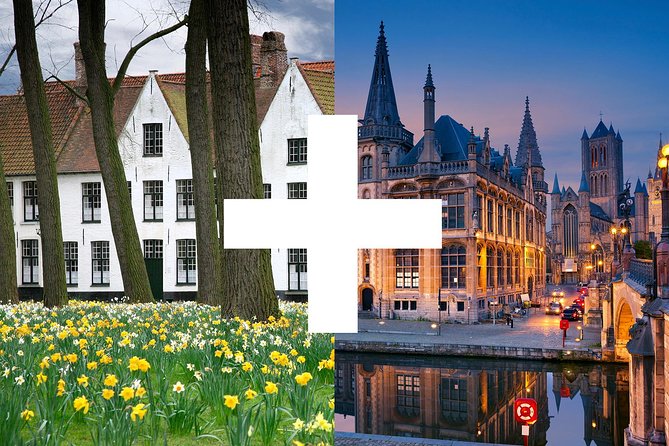
Bruges and Ghent in one day is a bold plan, but it gives you a fine first look at two of Belgium’s most appealing cities without changing hotels or figuring out trains. Bruges brings canals, bridges, chocolate, and postcard squares, while Ghent feels larger, more lived-in, and easier to explore on foot once you reach its center.
I like the efficient round-trip bus from central Brussels and the mix of guided walking with free time. Guides such as Angie, Antonio, and JC have earned praise for clear stories, good humor, and useful food and beer advice. The catch is simple: this is a long day with a lot of cobblestones, limited time for lunch, and groups that can reach 45 people.
Key points to know before booking
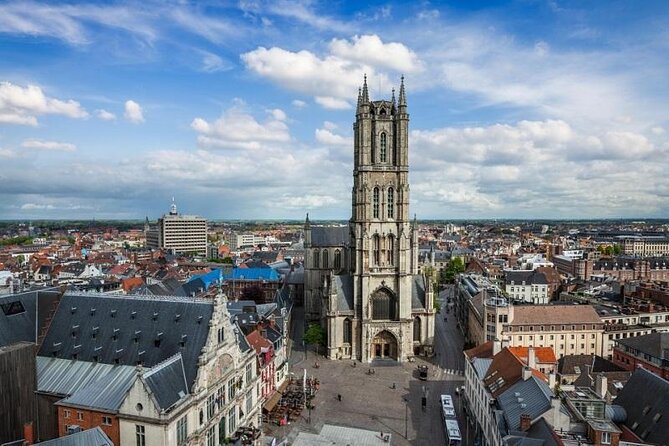
- Two medieval cities in one day: You see Bruges in the morning and Ghent later, with guided walks in both.
- Bruges gets the longer look: Expect roughly 1.5 hours of free time there, depending on traffic and group pace.
- Ghent is more compact: The central sights are close together, leaving about an hour to explore independently.
- Walking is the real price: Parking areas can be 15 to 20 minutes from the old towns, and the day uses cobbled streets.
- Bring wired earphones: Radio guides may be required, and your own 3.5 mm wired headphones can save the €1 rental charge.
- The best value is convenience: At $56.72 per person, transport and a guide make this a practical orientation tour, not a slow, deep visit.
Why this day trip works for first-time visitors
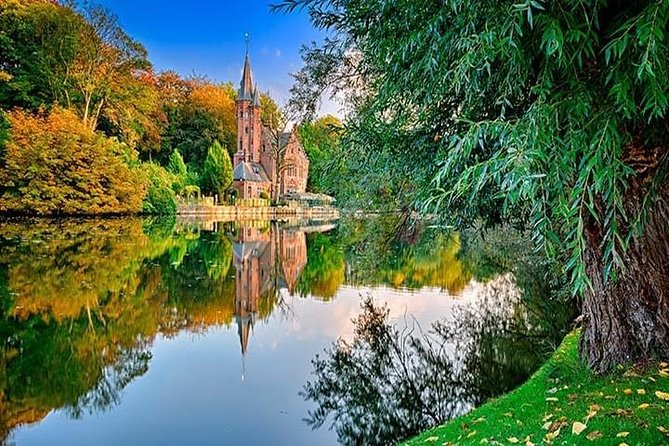
The main advantage is reach. Bruges and Ghent are both easy to visit by train from Brussels, but fitting them together takes planning, station transfers, and attention to return times. This trip handles the transport and gives you a guide to explain what you are seeing as you walk.
You will not simply be dropped in a square and left alone. In Bruges, the route links the Lake of Love, the Begijnhof, the Church of Our Lady, Burg Square, and Markt. In Ghent, it connects the Town Hall, Belfry, Saint Bavo’s Cathedral, Korenmarkt, Saint Michael’s Bridge, and the Graslei and Korenlei waterfront.
That structure matters because both city centers can feel like a maze on a first visit. A good guide helps you understand why the streets, guild houses, canals, churches, and market squares fit together.
The tradeoff is pace. You are getting an introduction to two cities, not a relaxed day in either one. The guided portions usually last about two and a half hours, with free time afterward. You should expect frequent stops for short explanations and photos rather than long visits inside museums or churches.
More Day Trips in Brussels
- From Brussels: Guided Day Trip to Bruges and Ghent
★ 4.6 · 8,353 reviews - Luxembourg and Dinant Day Trip from Brussels
★ 4.0 · 1,474 reviews - From Brussels: Bruges Day Trip with Boat Tour Option (ENG)
★ 4.6 · 1,352 reviews
Starting at Carrefour de l’Europe
The tour begins at 8:30 a.m. at Carrefour de l’Europe near Brussels Central Station. Arrive early and look carefully for the correct bus, since several departures can use the same area.
The air-conditioned coach is useful here. You can leave Brussels without handling train schedules, and the bus provides a place to sit between cities. The ride is also part of the cost, though the road time means this is a full-day outing rather than a quick excursion.
A bathroom stop comes first at Bargeplein, also called Katelijnparking, in Bruges. You get about 10 minutes. The bus does not pull up in the old center, so listen closely to the guide’s instructions about when and where to return.
Bruges begins at the Lake of Love
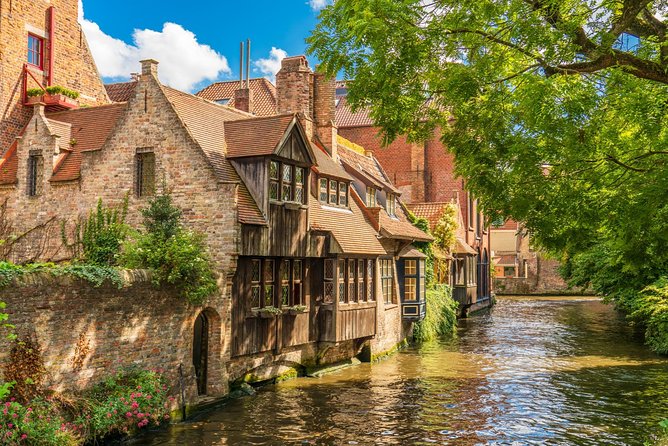
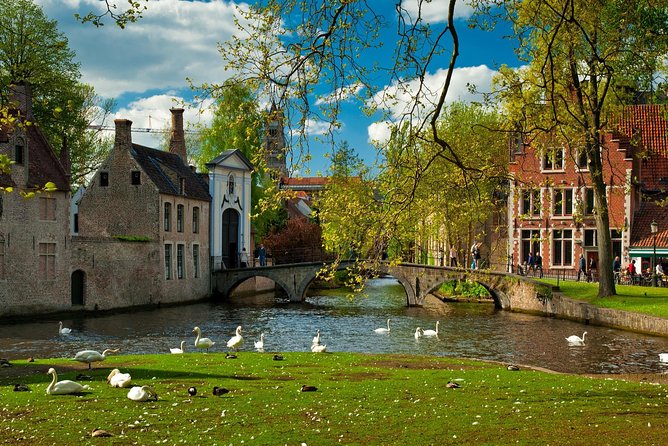
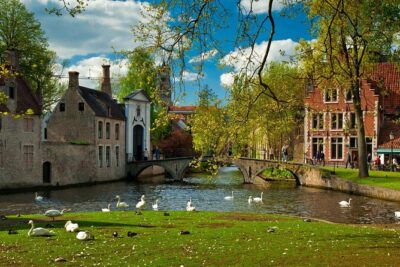
Minnewater, or the Lake of Love, is the first proper stop. It is a brief introduction, with the lake behind you as the guide explains Bruges and the local love story linked to the water.
The stop is short, but it sets the mood. Bruges is a city of water, bridges, narrow lanes, and carefully preserved old buildings. You will have time for photos, but do not expect a long pause.
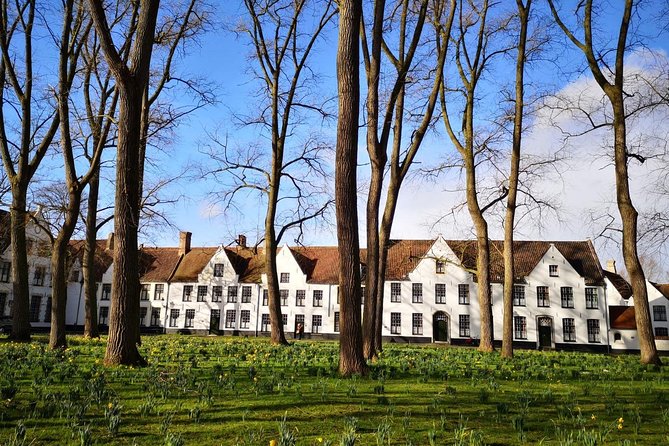
From there, you walk to the Begijnhof, founded in 1245. This former community of beguines tells the story of women who lived religious lives without joining a convent. It is one of the more meaningful stops because it gives social context to the city, not just pretty views.
The walk continues to an artisan chocolate shop. You taste handmade chocolates and hear how to distinguish small-batch work from industrial products. This is a short stop, so it works best as an introduction rather than a full chocolate-shopping session.
At Walplein, the guide explains Bruges beer and the role of the square. Then, on Stoofstraat, you learn how to spot original medieval houses. These quick lessons help you look up at the buildings instead of simply passing them.
Churches, bridges, and Bruges’ famous views
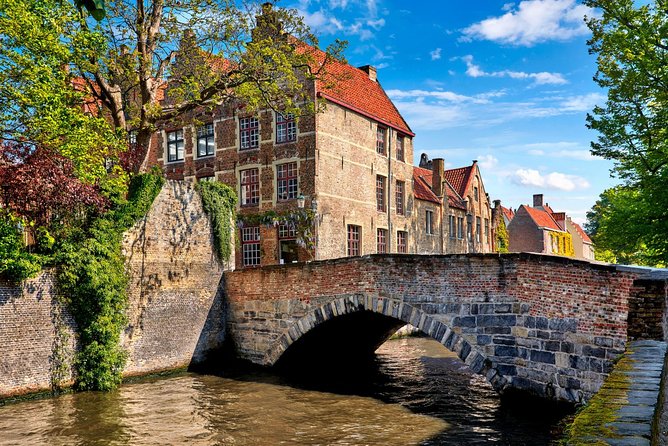
The route includes a photo stop at a small bridge, followed by Old St. John’s Hospital. Outside the hospital, you hear how medical care worked in medieval Bruges. The building gives the city a useful human angle: these streets were not built only for merchants and tourists, but also for sick people, caregivers, and religious communities.
The Church of Our Lady comes next. The guide discusses Michelangelo’s white marble Madonna and Child, which is inside the church, but this stop is mainly from the exterior. If seeing the sculpture matters to you, use your free time carefully and confirm opening arrangements on the day.
The Gruuthusemuseum provides another short stop. The guide introduces the powerful Gruuthuse family and their place in Bruges society. You do not get a museum visit as part of the tour, so think of this as a useful preview.
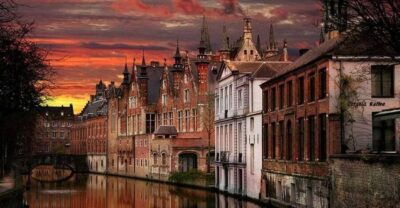
Boniface Bridge is one of the prettiest photo spots. The guide explains its local legend, then you get a moment to take pictures. Rozenhoedkaai, also called the Quai du Rosaire, follows. This is Bruges’ most photographed corner, with water, old facades, and a compact view that explains much of the city’s appeal.
At Huidenvettersplein, or Tanners Square, you learn how tanners worked in medieval Bruges. Burg Square then brings together the Gothic Town Hall, the Old Court House, and the Basilica of the Holy Blood. The square is one of the city’s best places to understand civic power, religion, and commerce in one glance.
A few more Brussels half days worth weighing up
- From Brussels: Bruges Day Trip with Boat Tour Option (ES)
★ 4.7 · 1,171 reviews - Bruges Day Trip from Brussels
★ 4.5 · 619 reviews - Amsterdam Day Trip from Brussels With Cheese, Clogs and Windmills
★ 3.5 · 521 reviews - From Brussels: Cheese, Clogs & Windmills Amsterdam Day Trip
★ 4.3 · 365 reviews
Markt and Bruges free time
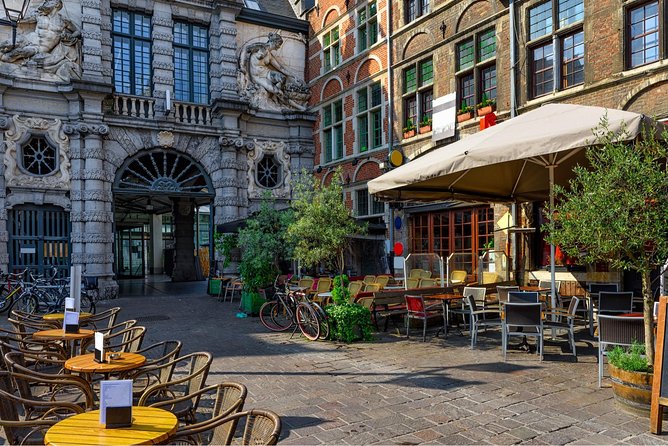
The guided walk ends at Markt, the main market square. The guide points out the surrounding buildings and gives suggestions for food, beer, chocolate shops, and the return meeting point.
This is a smart place to end the formal walk because you are close to major sights and can choose your own pace. You get about 1.5 hours of free time, although traffic and the group’s speed can affect the exact amount.
That sounds generous until you account for lunch. A sit-down meal, chocolate shopping, photos, and a visit inside a church can quickly fill the time. I would choose your meal before the tour or ask the guide for a quick option rather than spending half your break deciding.
Bruges is often the favorite of the two cities on this day, and it is easy to see why. The canals and tightly packed old streets make an immediate impression. The drawback is that you see only a slice of the city. You will have little time for the far side of Bruges, extended shopping, or a long visit near the harbor.
Return to Bargeplein for the bus to Ghent. Pay close attention to the meeting time. Depending on where you finish your free time, getting back may involve a 15 to 20 minute walk.
Ghent starts with towers and Saint Bavo’s Cathedral
After the bus ride, you walk from the drop-off area toward central Ghent. The group begins near the Town Hall, where the guide explains the building’s different architectural styles.
The Belfry of Ghent follows. Its dragon and civic role make it one of the city’s key symbols. This is another short explanation rather than a tower visit, so the value comes from learning what you are looking at before moving on.
Saint Bavo’s Cathedral receives the longest stop in Ghent, about 25 minutes. You see the outside and go inside, where the Van Eyck brothers’ Adoration of the Mystic Lamb is kept. This is a major reason to pay attention during the tour. The guide explains the painting’s importance and its long, troubled story, including its reputation as one of the most stolen paintings in history.
The cathedral visit gives Ghent more interior substance than Bruges receives on this outing. Still, the time is limited, and conditions inside can vary. Stay with the group and listen for instructions about where to meet afterward.
Guild houses and the Lys riverfront
The next stops show Ghent’s commercial character. At Saint Nicholas Church, you hear that Belgian churches can also host concerts and other events. The Masons’ Guild Hall offers a quick look at guild houses and the unusual details of its facade.
Korenmarkt sits in front of Saint Nicholas Church. Here the guide explains the former post office building and its place in the square. It is a good example of how the city combines medieval structures with later additions.
Saint Michael’s Bridge is the best photo stop in Ghent. From the bridge, you can take in several towers and hear the story connected with Saint Michael’s Church. The route then follows the Lys riverbank along Graslei and Korenlei.
This waterfront is one of Ghent’s strongest scenes. The old facades, former guild houses, and present-day Marriott Hotel line the river in a compact view. I especially like this part of the walk because it shows Ghent as a working trade city, not just a collection of monuments.
The Great Butchers’ Hall, dating from the 15th century, was once a covered market. Nearby, at Kleine Vismarkt, a traditional stall introduces cuberdons, the cone-shaped Belgian candy associated with Ghent.
The final guided stop is Sint-Veerleplein. The guide explains the square and nearby buildings, then offers suggestions for Belgian beer and souvenirs. You also receive firm instructions about where and when to meet the bus back to Brussels.
One hour to make Ghent your own
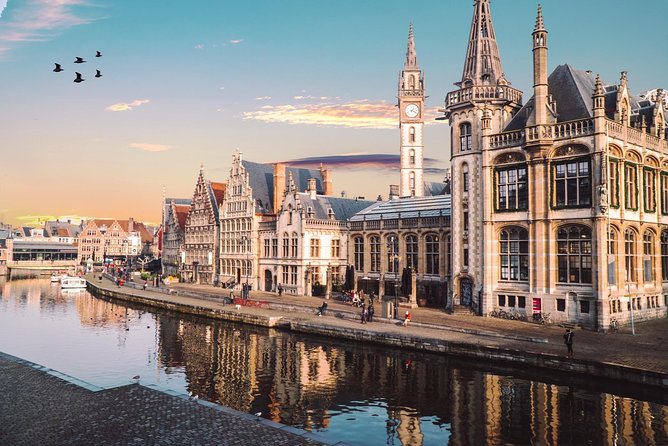
Ghent gives you about an hour of free time. That is less than Bruges, but the central sights are more compact, so the time can feel useful.
You might choose a drink, buy cuberdons, revisit a waterfront view, or enter a shop that caught your eye during the walk. A full meal is possible only if service is quick. If you want a museum or extended cathedral visit, this tour will probably feel too tight.
The return walk to the bus is important. Directions and pick-up arrangements can vary, and one poor experience reported leaving people with a long walk back to the vehicle. Do not assume the bus will collect you at the end of the walking route. Follow the guide’s instructions and leave plenty of time.
What the $56.72 price really buys
At $56.72, the tour offers fair value if you want transport, an English-speaking guide, and a simple plan for two cities. Round-trip travel alone has practical value when you consider the time saved arranging two separate train journeys.
You are not paying for meals, museum tickets, or a canal cruise. The chocolate tasting is included, but most stops are outside. The tour is best viewed as a guided overview with transport, not as a series of paid admissions.
The value also depends on group size. The maximum is 45 people, though some departures have been smaller, including one group of 28. A smaller group makes street crossings, radio audio, and questions easier. A full coach can make the walking sections slower and harder to hear.
Guides, audio, and the walking demands
The strongest part of the day depends heavily on the guide. Angie has been praised for a calm, clear delivery and careful organization. Antonio is known for mixing facts with humor and keeping younger groups engaged. JC has been singled out for useful local suggestions and for handling a demanding full-day schedule with energy.
The audio system is less dependable. Bruges may require radio guides under local tourism rules. You can use your own wired headphones with a 3.5 mm jack, but wireless headphones are not suitable. Disposable headphones cost €1.
Bring comfortable shoes. You will cross cobblestones, walk between parking areas and old centers, and spend much of the day standing. This is not a good choice if long urban walks are difficult for you.
The tour runs in all weather, so dress for rain and cold. The trip can still work in poor weather, but wet cobblestones, crowded streets, and a large group make the day harder.
Who should book this day trip?
I would choose it if you have only a short stay in Brussels and want a guided first look at both cities. It suits people who value convenience, like hearing local stories, and are happy to accept a busy schedule.
It also works well for solo visitors, families with older children, and anyone who would rather not manage transport. Children under two must have an appropriate car seat for the bus.
I would skip it if you want long museum visits, slow meals, serious photography time, or a quiet afternoon beside the canals. In that case, give Bruges or Ghent a full day of its own.
Final verdict: book for breadth, not depth
This is a practical, well-priced introduction to Bruges and Ghent. The guided route covers the right landmarks, the bus removes much of the transport hassle, and the best guides turn short stops into useful lessons.
The day asks a lot from you: early start, long hours, plenty of walking, limited free time, and careful attention to meeting points. Book it for a broad first taste of Belgium’s medieval cities. Skip it if you already know one city well or want time to explore at your own speed.
FAQ
Where does the tour start?
It starts at Carrefour de l’Europe, Carr de l’Europe, 1000 Brussels, Belgium, at 8:30 a.m.
Where does the tour end?
The activity ends back at the Brussels meeting point.
How long does the day trip last?
The trip lasts about 10 hours.
Is the tour offered in English?
Yes. A professional English-speaking guide leads the tour.
Are Bruges and Ghent both included?
Yes. The day includes a guided walking tour in Bruges and another guided walking tour in Ghent.
How much free time do I get?
You get about 1.5 hours in Bruges and about 1 hour in Ghent. Traffic and the pace of the group can change the exact amount.
Are meals included?
No. Food and drinks are not included, but the guide can suggest places to eat.
Do I need headphones?
You may need headphones for radio guides in Bruges. You can bring wired headphones with a 3.5 mm jack, or buy disposable headphones for €1.
How large can the group be?
The tour can have a maximum of 45 people.
Can I cancel for a full refund?
Yes, if you cancel at least 24 hours before the experience starts. Changes or cancellations made less than 24 hours before departure are not accepted for a refund.
Just added around Brussels
- Standard vehicle from Brussels airport to city of Antwerp★ 5.0 · 4 reviews
- Luxury vehicle from Brussels airport to the city of Brussels★ 4.0 · 5 reviews
- Luxury Minivan from Brussels airport to the city of Brussels★ 4.0 · 7 reviews
- Transfer Brussels Airport (BRU) –> City Center 7 PAX (ONE WAY)★ 5.0 · 7 reviews
- Transfer Brussels Airport –> Brussels MB V Class 7 PAX (ONE WAY)★ 5.0 · 4 reviews
- Transfer Brussels Airport –> City MB E Class 1-3 PAX (ONE WAY)★ 5.0 · 6 reviews
- PRIVATE MPV TRANSFER FROM/TO BRUSSELS AIRPORT (Max 6 pax) ONE-WAY★ 5.0 · 4 reviews
- Waterloo Private Battlegrounds Tour with Lion Hill★ 4.5 · 9 reviews
Day Trips in Brussels, compared.
Amsterdam Day Trip from Brussels With Cheese, Clogs and Windmills
Read our review →
Antwerp and Ghent Day Trip from Brussels With Atomium Photo Stop
Read our review →Browse the lists this tour appears in