
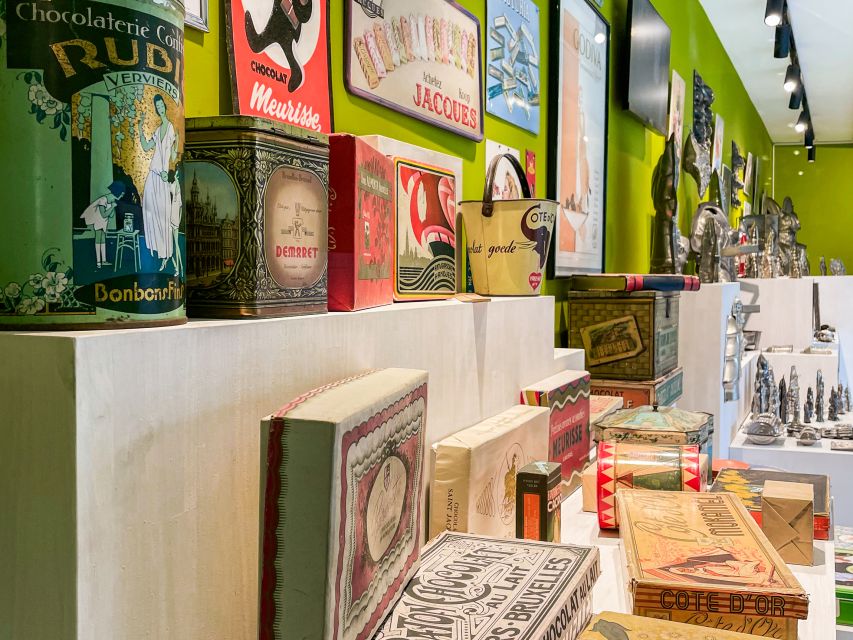
Reviewed · CHOCOLATE TOURS & WORKSHOPS
Choco-Story Brussels: Chocolate Museum Entrance with Tasting
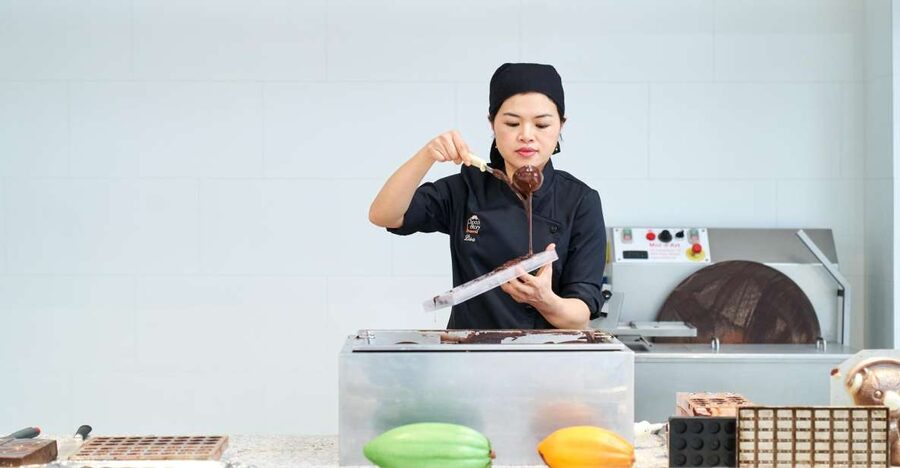
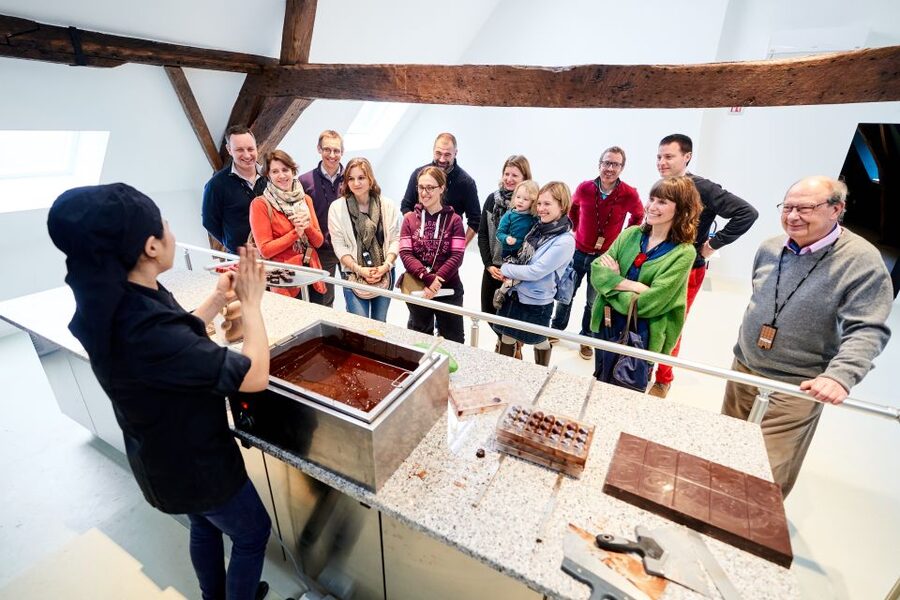
The best part of Choco-Story Brussels comes near the end: a chocolatier works in front of you, turning smooth chocolate into pralines, then lets you taste the result. It gives the museum a useful finish. You do not just hear about Belgian chocolate, you see one small part of the craft and eat the evidence.
I like the self-paced audio guide, which lets you linger over the displays or move along when children lose interest. I also like the mix of chocolate samples, historical objects, short films, and interactive games. The main thing to consider is the live demonstration room. It can fill up, and a poor position may leave you hearing the presenter better than seeing the work.
Key points to know before you go
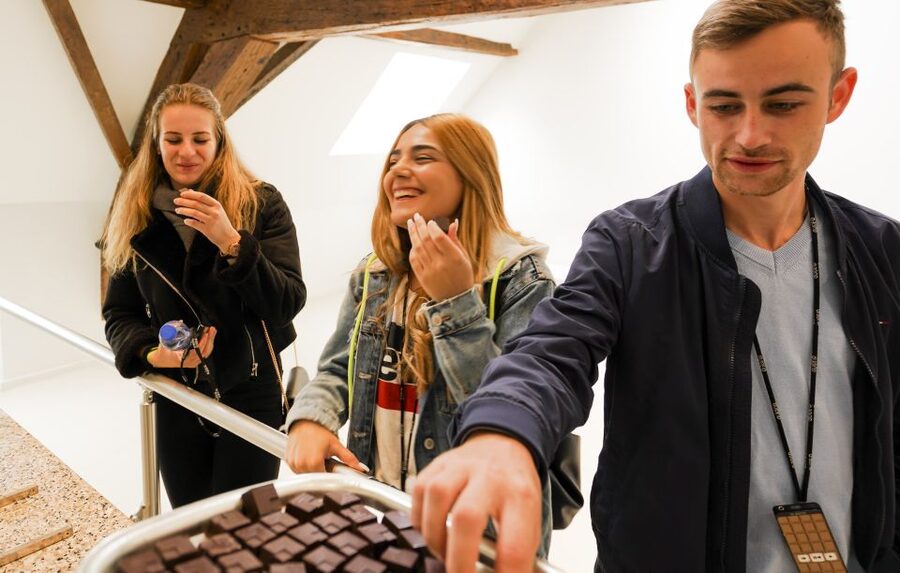
- Pralines made before your eyes: The chocolatier demonstrates traditional techniques and gives you a sample of the finished praline.
- A compact, self-guided visit: Most people should allow about an hour and a half, with the freedom to set their own pace.
- Chocolate tastings throughout: You receive a welcome sample and additional tastings, including chocolate from the demonstration.
- A useful history lesson: The displays trace cocoa from its Aztec roots through European chocolate-making and Belgian pralines.
- Good for families: Children have interactive games, while adults get plenty of historical and production detail.
- Central Brussels address: The museum is at Rue de l’étuve 41, 1000 Brussels, close to major central sights.
Starting at Rue de l’étuve 41 in central Brussels
Choco-Story Brussels is easy to fit into a day of sightseeing because it sits in the center of Brussels at Rue de l’étuve 41. That makes it a practical stop near the city’s main tourist area, rather than a museum that demands a separate trip across town.
At the entrance, you receive your audio guide and a welcome chocolate tasting. The device is designed to be simple to use, and it lets you begin the first room on your own. The audio guide is listed in Dutch, French, English, German, Spanish, Italian, Russian, and Chinese.
The museum also lists French, Dutch, and English for the instructor-led demonstration. The overall visit is not a traditional guided tour with one person leading you from room to room. You should expect a self-guided museum visit, followed by a live chocolate presentation.
That distinction matters. If you want to ask questions as you go, an audio visit gives you less opportunity than a personal guide. On the other hand, you can pause, skip ahead, or spend longer at an object without holding up a group.
More Chocolate Tours in Brussels
- Hungry Mary’s Famous Beer and Chocolate Tour in Brussels
★ 5.0 · 2,258 reviews - Brussels: Belgian Chocolate Making Workshop with Tastings
★ 4.7 · 1,629 reviews - Brussels: 2.5-Hour Chocolate Museum Visit with Workshop
★ 4.6 · 1,263 reviews
Cocoa begins with the Aztecs
The first part of the visit sets chocolate in a wider story. You learn about cocoa among the Aztecs, where it was treated as a sacred gift from the gods. This gives the ingredient some welcome context before the museum moves on to European chocolate.
The story then follows cocoa across the ocean and explains how European tastes changed it over time. The museum presents chocolate not as a finished bar that simply appears in a shop, but as a food shaped by cultivation, harvesting, transport, processing, and changing methods.
I find this useful for two reasons. First, it gives children a clear sequence to follow. Second, it helps adults understand why Belgian chocolate became known around the world. You see how cocoa moved from an important cultural ingredient to a carefully made confection.
The audio guide carries much of this information. The narration is clear and self-paced, so you can listen while looking at the displays rather than waiting for a scheduled speech. For a museum of this size, that is a sensible format.
From cocoa bean to Belgian praline
The next rooms explain the stages between cocoa bean and finished chocolate. Displays cover cocoa cultivation, harvesting, and transformation, with historical objects, films, and interactive material adding variety.
Do not expect a large industrial museum. The space is compact, and its strength is the way it mixes short bits of information with things to see and do. The audio gives you the background, while the objects and screens keep the visit from becoming a wall of text.
The interactive games are especially useful for families. A young child may not follow every detail about cocoa production, but a game or visual display can keep the visit moving. Older children can listen to selected parts of the audio and still enjoy the tasting and demonstration later.
Adults who already know a fair amount about chocolate may find some of the history familiar. The value comes less from rare facts than from putting the whole process in one visit. You move from cocoa’s early cultural role to the development of modern chocolate and the Belgian praline.
The audio guide lets you set the pace

The audio guide is one of the most consistently useful parts of the experience. You can take the visit slowly, stop for a display, and continue when you are ready. A full visit commonly takes around an hour and a half, though you can spend more or less time depending on your interest.
The hand-held device is easy to operate, and one visitor described it as looking like a small chocolate bar. That playful design suits the museum without making the information feel childish.
The self-guided format also works well for solo visitors. You are not tied to a group’s speed, and you can focus on the parts that interest you most. Couples and families get the same freedom, though parents may need to help younger children manage the device.
There are two trade-offs. First, the museum can become noisy, especially when several groups gather in the same room. Some visitors wished for headphones or earphones to reduce the noise. Second, you cannot easily ask the audio guide a follow-up question. If you enjoy conversation with a guide, this may feel limiting.
Still, the narration is clear and available in many languages. For an $18 admission, that adds real value, especially if you want more than a quick tasting counter with a few decorative displays.
More Food Tours in Brussels
- Belgian Beer Tasting in Brussels
★ 5.0 · 1,280 reviews - Brussels: Historical Walking Tour with Chocolate & Waffle Tasting
★ 5.0 · 1,165 reviews - Brussels 2.5-Hour Belgian Beer Tasting Experience
★ 4.7 · 932 reviews - Brussels Walking and Tasting Tour (Beers,Chocolates&Fries/Waffle)
★ 5.0 · 929 reviews
Tastings give the museum its flavor
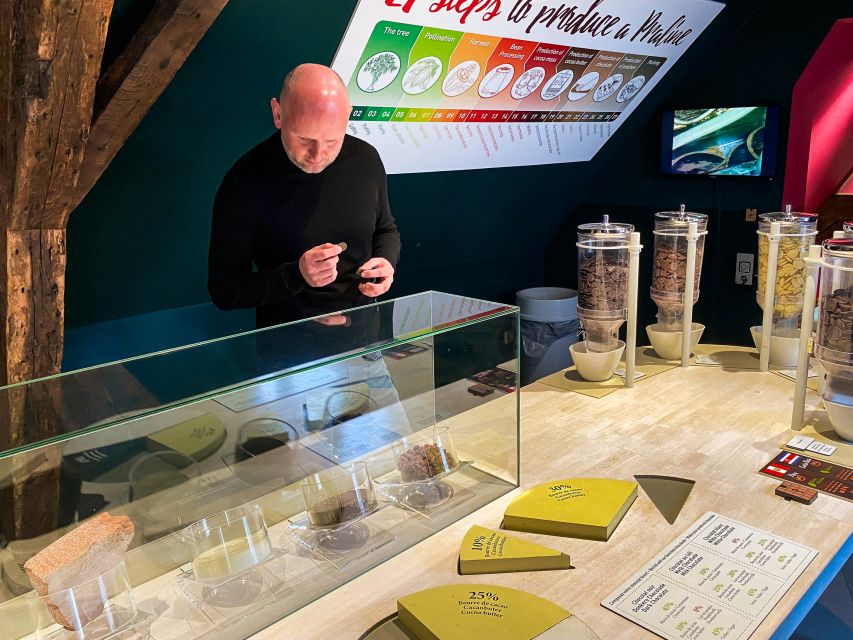
Chocolate samples are built into the visit rather than saved for the shop. You receive a welcome tasting at the start, and there are additional opportunities to sample chocolate during the museum experience.
The amount is enough to make the visit feel like a tasting experience, not just a museum with one token sweet at the door. You can compare different types and pay closer attention to texture and flavor as the audio explains how chocolate is made.
There is also a tasting connected to the live demonstration. After the chocolatier makes a praline, you receive a sample of the same type. That small detail makes the demonstration more satisfying. You see the process, then taste the result while it is fresh in your mind.
Expectations matter here. This is not a full meal or a formal chocolate-pairing class. The samples are part of a museum visit, and the quantity can vary with the flow of people. Still, several visitors found there was plenty of chocolate to try, and the tastings are a strong reason the price feels fair.
If you are visiting with children, set a little water aside between samples. The visit has enough sweet moments without needing to rush through them.
The praline demonstration is the main event
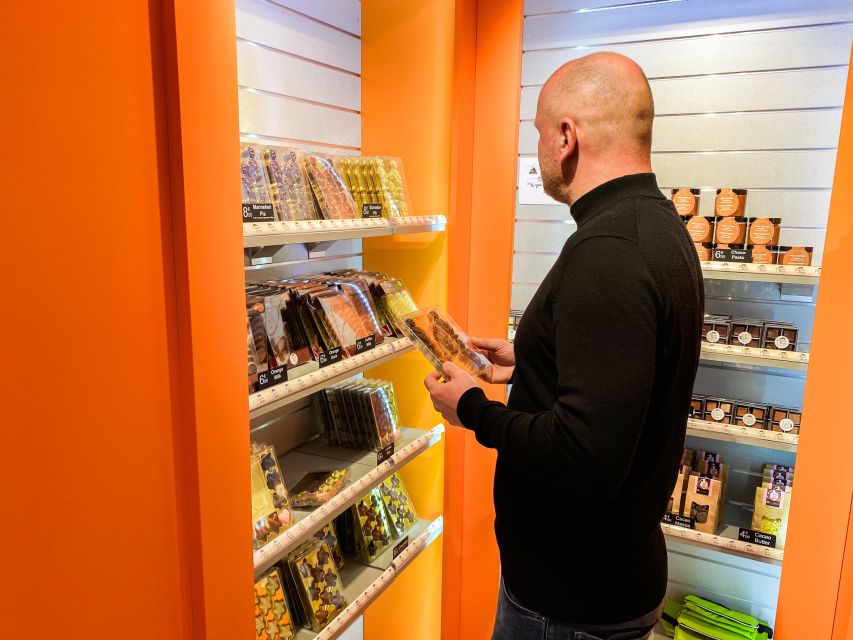
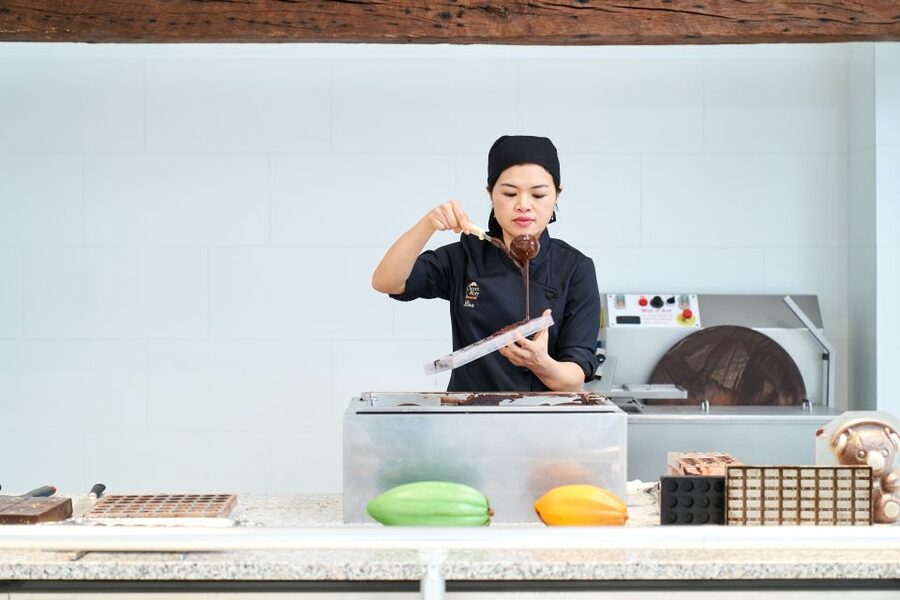
The live demonstration is the museum’s most memorable section. A master chocolatier shows how chocolate is handled and shaped into artisanal pralines using traditional techniques.
The demonstration is not simply a silent display behind glass. The presenters explain the process and keep the audience involved. Gregory has been praised for his showmanship, and Luisa has been described as warm, funny, informative, and engaging. Other sessions may feature different chocolatiers, but the presentation is intended to be lively rather than purely technical.
This is where the museum connects its historical story with an actual Belgian product. After hearing about cocoa and pralines, you watch the chocolatier work with the chocolate directly. The sample at the end gives you a clear sense of what the technique produces.
The demonstration has one practical weakness: the room can become crowded. If you arrive after people have gathered, you may find yourself at the back. Shorter visitors may have trouble seeing the work surface or the television screen, and nearby conversation can make the presenter harder to hear.
I would try to position yourself where you can see both the chocolatier and the screen. If the room is already packed, patience may be more useful than standing behind a taller person. This is the one part of the visit where a small group listing does not always mean a small viewing area. The museum limits some bookings to 10 participants, but the demonstration space can still feel full at busy times.
Why the small size can work in your favor
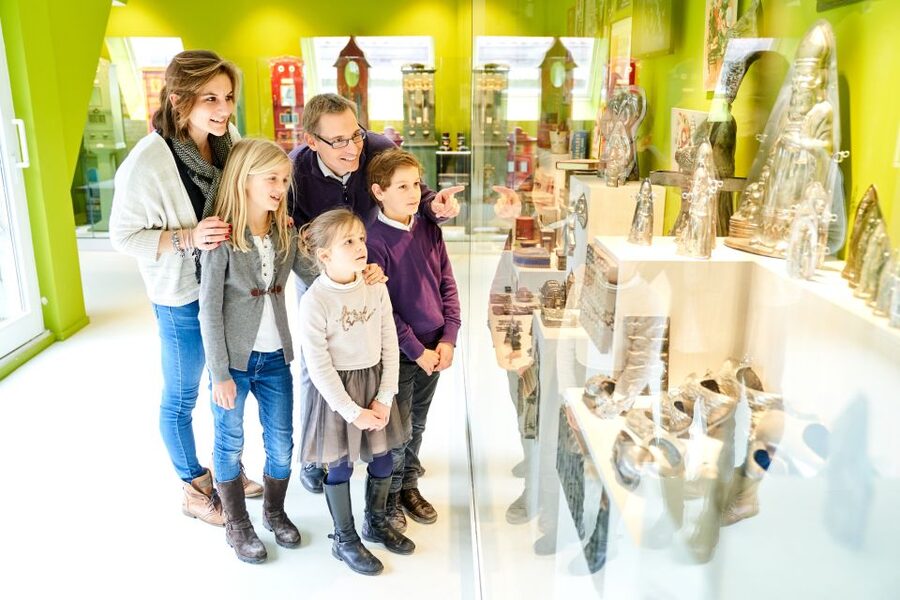
The museum is relatively small, and that is both a benefit and a limitation. You can cover it without giving up half a day, which makes it easy to combine with central Brussels sights, a meal, or another museum.
A compact visit also suits children. You get enough history to make the subject interesting, but the museum does not demand a long march through endless galleries. Games, short films, objects, tastings, and the chocolatier break up the information.
The drawback is crowding. When many people arrive at once, rooms can feel tight, and noise can interfere with the audio. The demonstration is the most sensitive point because everyone wants the same view.
For a quieter experience, a morning visit may help. One visitor found a 10:30 arrival relatively calm, with the museum growing busier later. That is practical advice rather than a guarantee, since opening patterns and demand can change, but arriving early gives you a better chance of hearing the audio clearly and finding a good place for the presentation.
The shop finishes the visit
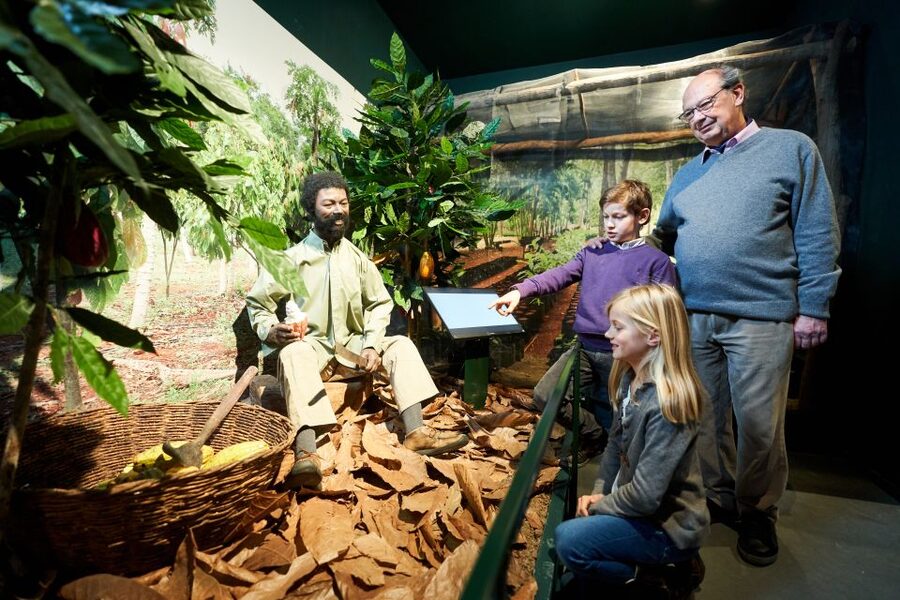
The museum shop is worth allowing a few minutes for at the end. It offers Belgian chocolate creations that you can take home, making it an easy place to buy gifts without adding another shopping stop to your day.
The shop is also useful if your tastings have given you a better idea of what you like. You may prefer a particular texture or style after hearing how chocolate is made. Buying at the end lets you choose with some context rather than grabbing the first box with attractive packaging.
You should still keep your budget in mind. The $18 admission covers the museum, audio guide, demonstrations, and tastings, but purchases in the shop are extra. For a chocolate lover, that is a reasonable base price for a one to two-hour activity. For someone who dislikes sweets or wants a long, highly detailed museum, the value may be less convincing.
Who will enjoy Choco-Story Brussels most
I would recommend this experience to families, couples, solo visitors, and anyone who wants a gentle indoor activity in central Brussels. It works particularly well when you want something educational but not solemn.
Children get games, films, a theatrical demonstration, and chocolate. Adults get the history of cocoa, the making process, and a chance to understand why pralines matter in Belgian confectionery. The self-guided structure means different ages can enjoy different parts without forcing everyone to listen to every minute.
It also suits visitors who do not speak French or Dutch. The audio guide has eight listed language options, including English, German, Spanish, Italian, Russian, and Chinese.
I would be more cautious if you want a personal guide, extensive technical instruction, or a large museum collection. The audio guide cannot answer questions, and the demonstration may be more entertaining than detailed. It shows the craft clearly, but it is not a hands-on chocolate-making class.
The museum is wheelchair accessible, which makes it a practical choice for visitors who need an accessible attraction. The exact movement through crowded rooms can still depend on how busy the museum is.
Is $18 good value?
At $18 per person, the admission is fair for what is included. You receive entry, the multilingual audio guide, several tastings, and a live praline demonstration. The visit also lasts long enough to feel like a proper activity, with many people spending roughly an hour and a half inside.
The value is strongest if you take time with the audio and displays. If you rush through the rooms only for the samples, you may feel the price is high for the amount of chocolate. If you listen to the history, try the interactive features, and stay for the presentation, the admission covers several different parts of the experience.
The flexible booking terms also help when planning a Brussels day. You can cancel up to 24 hours in advance for a full refund, and reserve now while paying later. Those details are useful when weather or sightseeing plans are unsettled.
Should you book Choco-Story Brussels?
Book it if you want a short, central, family-friendly museum visit with real tastings and a live praline demonstration. The clear audio guide, varied displays, and friendly presentation make it more worthwhile than a simple shop visit.
Go early if you want a better chance of a quiet visit and a clear view during the demonstration. Keep your expectations realistic: this is a compact self-guided museum, not a private tour or a chocolate-making workshop.
For $18, I think it is a good choice for chocolate lovers and a sensible rainy-day stop in Brussels. If you have little interest in chocolate, the historical material may not carry the whole visit, but the tasting and praline presentation can still make it an enjoyable hour or two.
FAQ
Where is Choco-Story Brussels located?
It is located at Rue de l’étuve 41, 1000 Brussels, in the Brussels Capital Region.
How long should I allow for the visit?
Allow about an hour to two hours. One detailed experience of the visit took around an hour and a half, but the self-guided format lets you choose your own pace.
Is this a guided tour with a person?
No. The museum visit is self-guided with a hand-held audio device. A chocolatier gives a live demonstration, but there is not a personal guide leading you through the entire museum.
Which languages are available on the audio guide?
The listed audio guide languages are Dutch, French, English, German, Spanish, Italian, Russian, and Chinese.
What is included in the admission?
Admission includes entry to the museum, tastings, the master chocolatier demonstration, and the audio guide.
Can children enjoy the museum?
Yes. The museum includes interactive games, short films, tastings, and a live chocolate demonstration. The format is designed to work for both children and adults.
Is the museum wheelchair accessible?
Yes. Choco-Story Brussels is listed as wheelchair accessible.
More Museums in Brussels
- Brussels: Atomium Entry Ticket with Design Museum Ticket
★ 4.4 · 9,254 reviews - Brussels: The World of Banksy Museum Permanent Exhibition
★ 4.7 · 636 reviews - Brussels: Train World Museum Entrance Ticket
★ 4.7 · 524 reviews - Choco-Story: The Chocolate Museum in Brussels
★ 4.0 · 324 reviews
Just added around Brussels
- Standard vehicle from Brussels airport to city of Antwerp★ 5.0 · 4 reviews
- Luxury Minivan from Brussels airport to the city of Brussels★ 4.0 · 7 reviews
- Transfer Brussels Airport (BRU) –> City Center 7 PAX (ONE WAY)★ 5.0 · 7 reviews
- Luxury vehicle from Brussels airport to the city of Brussels★ 4.0 · 5 reviews
- Transfer Brussels Airport –> Brussels MB V Class 7 PAX (ONE WAY)★ 5.0 · 4 reviews
- Transfer Brussels Airport –> City MB E Class 1-3 PAX (ONE WAY)★ 5.0 · 6 reviews
- PRIVATE MPV TRANSFER FROM/TO BRUSSELS AIRPORT (Max 6 pax) ONE-WAY★ 5.0 · 4 reviews
- Brussels: City Walk with Audioguide in 7 Languages on your Phone★ 3.5 · 4 reviews
Chocolate Tours & Workshops, compared.

Hungry Mary’s Famous Beer and Chocolate Tour in Brussels
Read our review →
Belgian Chocolate Making Workshop with Tastings
Read our review →
Choco-Story Chocolate Museum Guided Tour w/Tastings
Read our review →
2.5-Hour Chocolate Museum Visit with Workshop
Read our review →
Historical Walking Tour with Chocolate & Waffle Tasting
Read our review →
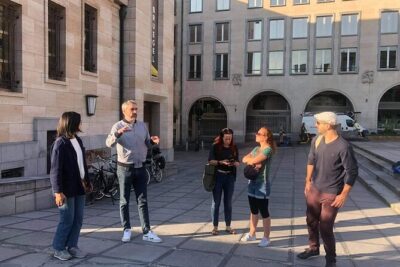
Brussels Walking and Tasting Tour (Beers,Chocolates&Fries/Waffle)
Read our review →
Browse the lists this tour appears in