
Reviewed · CHOCOLATE TOURS & WORKSHOPS
1.5h Belgian Chocolate Workshop in Brussels (bean to bar)
This workshop gets you close to the real work of a Belgian chocolatier without asking you to spend a full day in a professional kitchen. You taste raw cacao, cacao liquor, nibs, and finished chocolate, then use tempered chocolate to make truffles, mendiants, and a personal bar of your own.
I like the honest bean-to-bar focus and the generous box of chocolates you take home. I also like the instructors, especially Patricia, who is warm with children and happy to explain the tricky parts. The catch is simple: you are not turning cacao beans into chocolate yourself. The chocolate is prepared in advance, so this is an introductory decorating and molding class, not a full chocolate-production course.
Key points at a glance
- Taste cacao at several stages: Try a fresh cacao pod, raw beans, cacao nibs, cacao liquor, premium origins, and even cacao pod juice.
- Make three kinds of treats: Create mendiants, truffles, and a personalized chocolate bar to pack in a gift box.
- Watch real tempering: The instructor demonstrates tempering on a marble table, a key step in giving chocolate a smooth finish.
- Expect a group class: The center can hold up to 60 people, though some sessions may be much smaller.
- Plan for a short walk: Check-in is at Place de la Justice, then staff lead you to the workshop location.
- Consider the VIP upgrade: Champagne and an embroidered apron add a little ceremony, but the standard class already includes the main hands-on work.
What this Brussels chocolate class really teaches
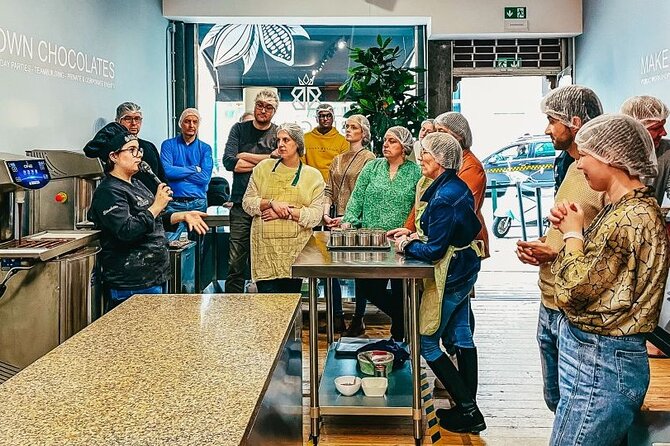
The phrase bean to bar sounds more hands-on than the class actually is. You learn how cacao moves from fruit to finished chocolate, but you do not roast, grind, or temper chocolate from raw beans yourself.
That distinction matters. The workshop is designed for curious visitors who want to understand Belgian chocolate and make attractive treats under guidance. It is not professional training, and you should not expect to leave knowing how to produce chocolate from a cacao bean.
Still, the tasting portion gives the class more substance than a simple candy-decorating session. You hold a fresh cacao pod, taste a raw cacao bean straight from the fruit, sample cacao nibs, and try cacao liquor. The liquor has no alcohol. It is the natural paste made from cacao, and it tastes far more bitter and intense than the sweet chocolate most people know.
You also sample chocolate made with cacao from different origins. This helps you notice how chocolate changes before sugar, milk, and flavorings soften the taste. For a first lesson, that is useful context.
More Chocolate Tours in Brussels
- Choco-Story Brussels: Chocolate Museum Entrance with Tasting
★ 4.3 · 4,883 reviews - Hungry Mary’s Famous Beer and Chocolate Tour in Brussels
★ 5.0 · 2,258 reviews - Brussels: Belgian Chocolate Making Workshop with Tastings
★ 4.7 · 1,629 reviews
Meeting at Place de la Justice, then walking to the workshop
Your starting point is The Belgian Chocolate Makers booking desk at Place de la Justice 5. The class itself is not necessarily held at that exact check-in point, so arrive a few minutes early and pay attention when the group leaves.
Staff lead the class to the training center after check-in. The walk is short enough to be manageable for most people, but it matters if you have trouble walking or need to stay close to your guide. A participant noted that the group leaves on time and that people needing extra walking help should position themselves near the front.
The workshop takes place in a new, air-conditioned 170-square-meter training center. It can welcome up to 60 participants, so the size of your class may vary sharply. A small group can feel personal and relaxed. A nearly full session will feel more like a demonstration with individual workstations.
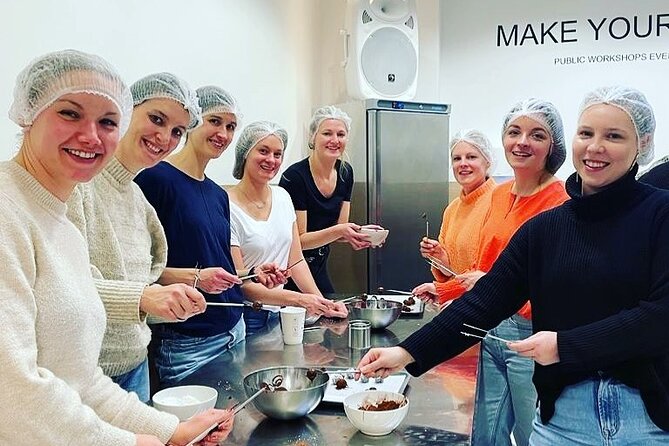
There is a disabled-access toilet and water dispensers. The room can feel cool, so bring a light layer. You will receive a hairnet, which must be worn during the activity. Chocolate may land on your clothes, so avoid wearing anything precious.
The cacao tasting comes before the sweet part
The opening lesson gives you the raw material in several forms. This is the part I find most useful because it corrects the usual picture of chocolate as something that simply comes from a factory.
You may hold a cacao pod and taste the pale fruit pulp, called mucilage, around the beans. You then try a raw cacao bean. It is bitter, earthy, and nothing like a chocolate bar. Cacao nibs offer another step in the process, with a firm texture and a more recognizable chocolate flavor.
Cacao liquor follows. Despite the name, it is not a drink. It is ground cacao in paste form, before the sweetening and blending that make finished chocolate easy to eat.
The class also covers different chocolate types and cacao origins. You may compare dark, milk, and white chocolate, although the precise tasting lineup can depend on the session. One participant found the dark chocolate too strong for children, while the provider noted that milk chocolate is also used. If your children prefer sweet, mild chocolate, it is worth asking the instructor what will be available that day.
One practical point: the raw cacao tasting can leave a strong, bitter taste. Water is available, but if the VIP option appeals to you, the champagne also provides a more festive palate reset. Do not choose VIP only for that reason, but it is a pleasant extra.
Tempering on marble is the technical highlight
Tempering is the bit that separates a glossy chocolate finish from a dull or soft one. The instructor demonstrates the process on a marble table, showing how chocolate is cooled and worked to encourage the right crystal structure.
You will not spend the whole class tempering chocolate yourself. Instead, the prepared chocolate is brought to the correct working condition, and you use it to mold, pipe, dip, and decorate. That arrangement keeps the session moving and makes it suitable for beginners, but it also explains why some people expect more production work than they receive.
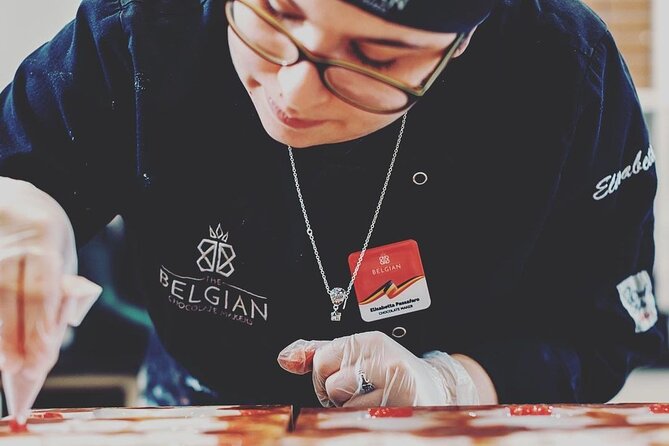
The instructor demonstrates the techniques, then gives clear directions for your own creations. Patricia is especially praised for explaining the process in an engaging way and for working well with children. Elisabetta has also been noted for giving detailed instruction.
The teaching style appears to be a major part of the experience. A good instructor can make a simple task feel like a small lesson in pastry craft. A less energetic session may feel more basic, especially if you already know how to temper or decorate chocolate.
More Workshops in Brussels
- Brussels: 2.5-Hour Chocolate Museum Visit with Workshop
★ 4.6 · 1,263 reviews - Brussels: 2.5-Hour Belgian Chocolate Making Workshop
★ 4.8 · 933 reviews - Brussels Chocolate Walking Tour and Workshop
★ 4.5 · 885 reviews - Brussels: Waffle Making Workshop – All You Can Eat
★ 4.6 · 615 reviews
Making mendiants, truffles, and a chocolate bar
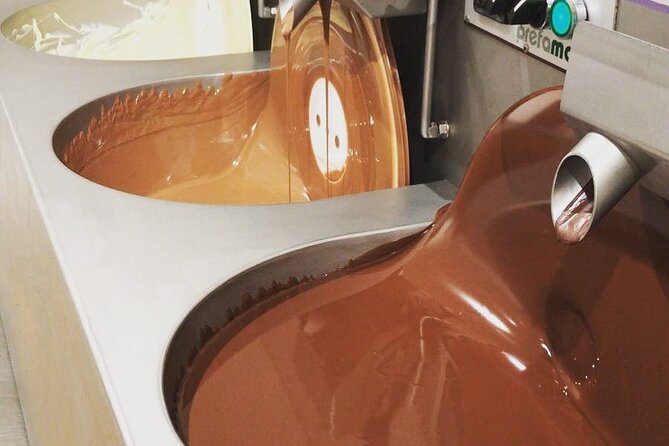
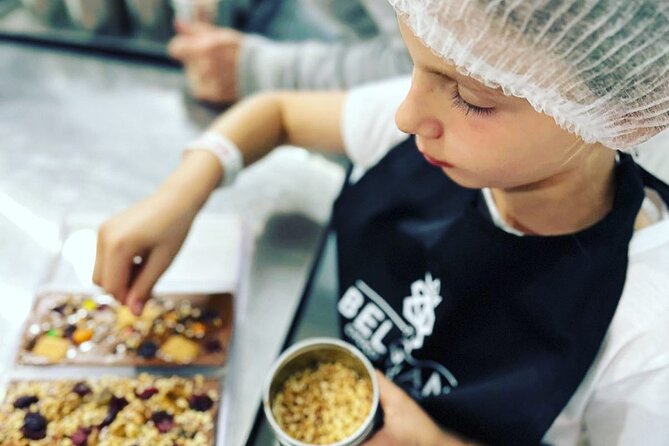
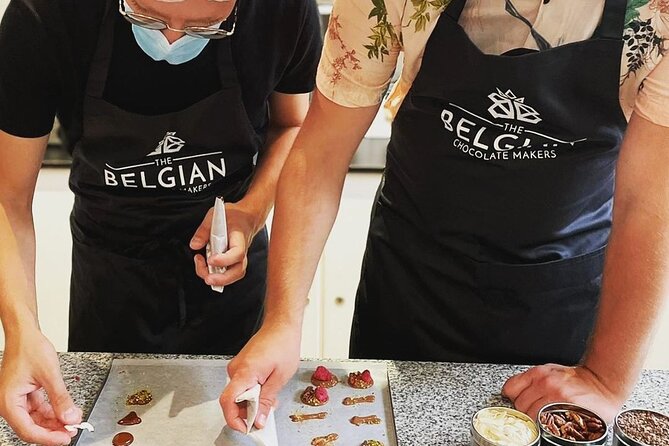
The hands-on section gives you three different jobs. First, you make a personalized chocolate bar in a mold, adding your chosen toppings. The finished bar becomes your most obvious souvenir and is easy to pack.
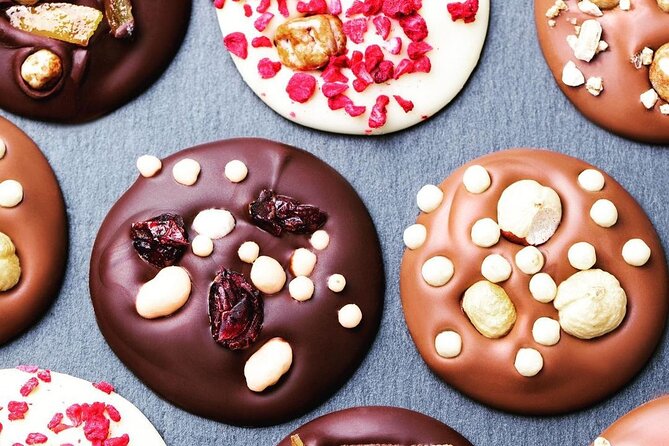
Next come mendiants. These are small chocolate discs decorated with toppings such as nuts or dried fruit, depending on what is provided. They are simple to make, but they show how a chocolatier balances shape, texture, and decoration.
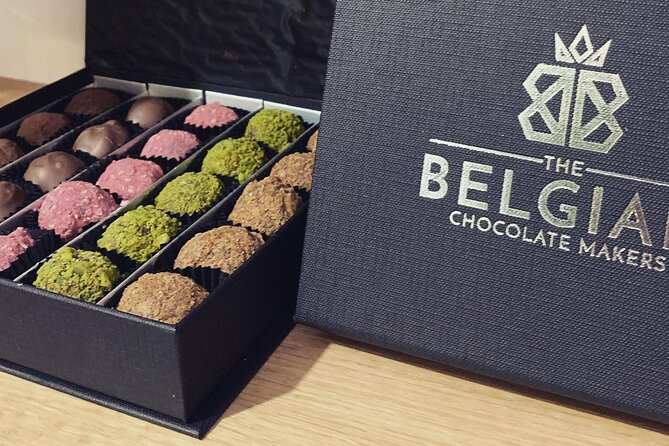
The truffle activity works differently. You receive prepared truffle centers, dip them in chocolate, and roll or coat them in materials such as coconut or cocoa powder. This is fun and messy, but it is not the same as making a truffle filling from scratch.
That distinction is the main point to keep in mind. You create the final form and finish of several chocolates, while the more technical fillings and chocolate base are ready for you. I think that is a sensible setup for a 90-minute class, especially with children, couples, and mixed-age groups. It keeps the focus on learning and enjoyment rather than turning the session into a slow production lab.
At the end, you pack your creations in a gift box. The amount can feel generous, particularly for a short activity. You also receive 20 percent off the provider’s full chocolate collection in the store, which may be useful if you want to take home more Belgian chocolate.
The ruby chocolate promise needs a little caution
The class description highlights the secrets of ruby pink chocolate. That sounds appealing, especially if you have never learned how ruby chocolate gets its color and fruity character.
However, the exact treatment of ruby chocolate may vary. One participant specifically noted that there was no ruby sample or explanation of how it was made during that session. I would treat this as a possible topic rather than a guaranteed tasting or demonstration.
If ruby chocolate is a deciding factor for you, ask about it at check-in. The core experience is still the cacao tasting and the three hands-on creations, so the class does not depend on this one feature.
Is the VIP upgrade worth paying for?
The VIP version includes a glass of champagne and an embroidered apron with the company logo. The apron is not included with the standard option, so check the price difference before booking.
I can see the appeal for a birthday, anniversary, or Christmas outing. The apron is a practical souvenir, and champagne gives the class a more celebratory feel. It also helps soften the bitter cacao tasting, although water is available without the upgrade.
For a strict value calculation, the standard class gives you the important parts: instruction, tastings, chocolate making, a gift box, and the store discount. Choose VIP for the keepsake and mood, not because it adds a substantially different lesson.
How the $76 price fits the experience
At about $76.19 per person, this is not a cheap way to buy chocolate. You could purchase plenty of Belgian pralines for less money.
You are paying for a structured class, an artisan-led explanation of cacao, multiple tastings, use of the equipment, and a box of your own creations. The value improves if you enjoy food education and want an activity that breaks up museum visits and city walks. It is also a practical rainy-day choice in Brussels.
The price feels less convincing if you mainly want a large quantity of chocolate or already have serious confectionery experience. Since much of the chocolate is prepared before you arrive, experienced cooks may find the hands-on work too limited.
The session lasts about 90 minutes, though one small group finished in roughly 75 minutes. Build in about two hours for check-in, the walk to the workshop, and the possibility of a slower class. Three daily start times, at 11 AM, 2 PM, and 5 PM, make it easy to fit around sightseeing.
Who will enjoy this most
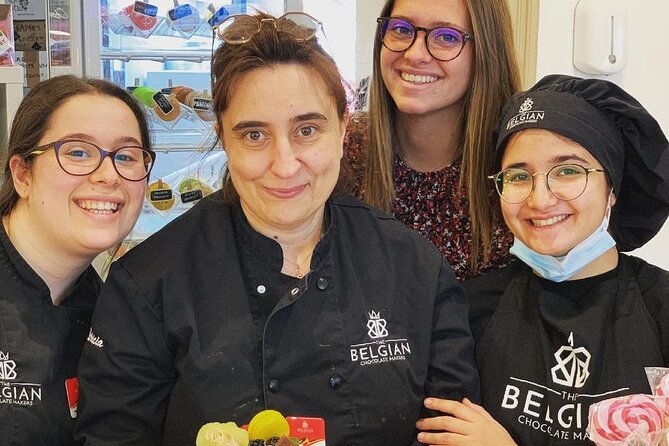
I would recommend the class to chocolate lovers, families with older children, couples, and anyone wanting a short activity with something edible to show for it. Children can take part in decorating and tasting, and the instructors are used to making the material accessible.
It works well for a birthday or holiday outing. The finished box also gives you a ready-made gift, assuming you can resist eating it before you return home.
People with serious food allergies should not book this activity. The facility can accommodate some food-related needs, and one participant received labeled containers, but the published guidance says the class is not suitable for severe food allergies. Tell the provider about any concern before booking rather than relying on last-minute adjustments.
Service animals are allowed, and the location is near public transportation. Accessibility is worth checking in advance because check-in and the workshop are in different places, and the route may include stairs.
My verdict on this Belgian chocolate workshop
Book it if you want a friendly, compact introduction to cacao and a chance to make attractive chocolates with help from a real chocolatier. The best parts are the raw cacao tasting, the marble-table tempering demonstration, the patient instruction, and the box of treats you take home.
Skip it if you expect to make chocolate from the bean, prepare fillings from raw ingredients, or receive advanced pastry training. At $76.19, the class earns its price through the teaching, tasting, and finished chocolates, not through the amount of technical production you do yourself.
For most first-time visitors, I would choose the standard session unless the apron and champagne matter to you. Arrive early, wear a washable top, bring a layer for the cool room, and keep your expectations focused on learning, decorating, and tasting, not full-scale chocolate manufacturing.
FAQ
Where does the chocolate workshop begin?
Check-in begins at The Belgian Chocolate Makers booking desk at Place de la Justice 5, 1000 Brussels.
Is the workshop held at the check-in point?
Not necessarily. Staff lead the group from the booking desk to the workshop location after check-in.
How long does the experience last?
The scheduled duration is about 1 hour and 30 minutes. A small group may finish sooner, so allowing about two hours overall is sensible.
What chocolate products will I make?
You will make a personalized chocolate bar, mendiants, and truffles, then pack your creations in a gift box.
Do I make chocolate directly from cacao beans?
No. You learn about the bean-to-bar process and taste cacao at several stages, but the chocolate used for the hands-on work is prepared in advance.
What cacao products will I taste?
The experience includes a fresh cacao pod, raw cacao beans, cacao nibs, cacao liquor, premium cacao origins from different countries, and cacao pod juice, also called mucilage.
Is champagne included?
Champagne is included only with the VIP upgrade. Water dispensers are available at the workshop.
Is an apron provided?
An embroidered apron with the company logo is included with the VIP upgrade. A hairnet is provided for all participants and must be worn.
Is the workshop suitable for severe food allergies?
No. The experience is not suitable for severe food allergies. Contact the provider before booking if you have any food-related concern.
Can I cancel for a refund?
Yes. You can cancel at least 24 hours before the local start time for a full refund. Cancellations or changes made less than 24 hours before the start time are not accepted for a refund.
Just added around Brussels
- Standard vehicle from Brussels airport to city of Antwerp★ 5.0 · 4 reviews
- Luxury Minivan from Brussels airport to the city of Brussels★ 4.0 · 7 reviews
- Transfer Brussels Airport (BRU) –> City Center 7 PAX (ONE WAY)★ 5.0 · 7 reviews
- Luxury vehicle from Brussels airport to the city of Brussels★ 4.0 · 5 reviews
- Transfer Brussels Airport –> Brussels MB V Class 7 PAX (ONE WAY)★ 5.0 · 4 reviews
- Transfer Brussels Airport –> City MB E Class 1-3 PAX (ONE WAY)★ 5.0 · 6 reviews
- PRIVATE MPV TRANSFER FROM/TO BRUSSELS AIRPORT (Max 6 pax) ONE-WAY★ 5.0 · 4 reviews
- Waterloo Private Battlegrounds Tour with Lion Hill★ 4.5 · 9 reviews
Chocolate Tours & Workshops, compared.
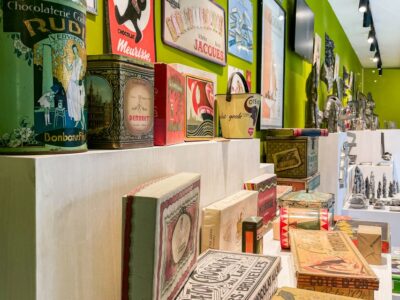
Choco-Story Brussels: Chocolate Museum Entrance with Tasting
Read our review →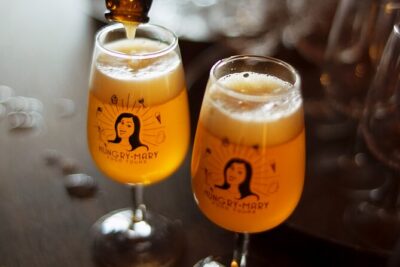
Hungry Mary’s Famous Beer and Chocolate Tour in Brussels
Read our review →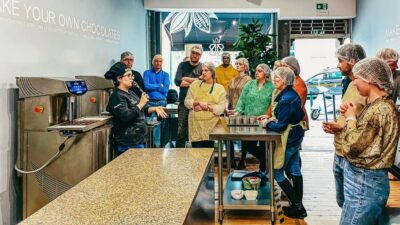
Belgian Chocolate Making Workshop with Tastings
Read our review →
Choco-Story Chocolate Museum Guided Tour w/Tastings
Read our review →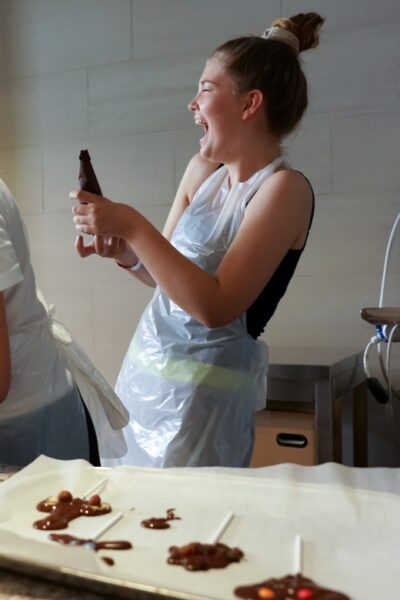
2.5-Hour Chocolate Museum Visit with Workshop
Read our review →
Historical Walking Tour with Chocolate & Waffle Tasting
Read our review →
Brussels Walking and Tasting Tour (Beers,Chocolates&Fries/Waffle)
Read our review →Browse the lists this tour appears in