
Reviewed · MUSEUMS
Bruges: Musea Brugge Card with Entry to 11 Museums
The Musea Brugge Card turns Bruges into a walkable history book. You can climb the 366 steps of the Belfry, study Flemish paintings at the Groeninge Museum, and see Michelangelo’s Madonna and Child in the Church of Our Lady, all on one 72-hour pass.
I like the card’s wide mix of sights, from grand civic rooms and medieval hospitals to a windmill and a folk museum. I also like the simple QR-code entry, which lets you skip the ticket desk at covered sites. The main catch is that not every Bruges museum is included, and the pass is only a good bargain if you visit several places.
Key Points
- Eleven included attractions: Visit the Belfry, City Hall, Groeninge Museum, St John’s Hospital, Gruuthuse Museum, and more.
- A 72-hour window: Spread your visits over three days instead of racing through Bruges in one afternoon.
- Reserve the Belfry ahead: A free time slot is recommended, even with the card.
- A strong art collection: See works by the Flemish Primitives and Michelangelo’s Madonna and Child.
- Easy digital entry: Scan the voucher at each attraction, with no physical card collection needed.
- Best value after three or more visits: The pass makes the most sense if you plan to see several included sites.
Why the Musea Brugge Card Works Well in Bruges
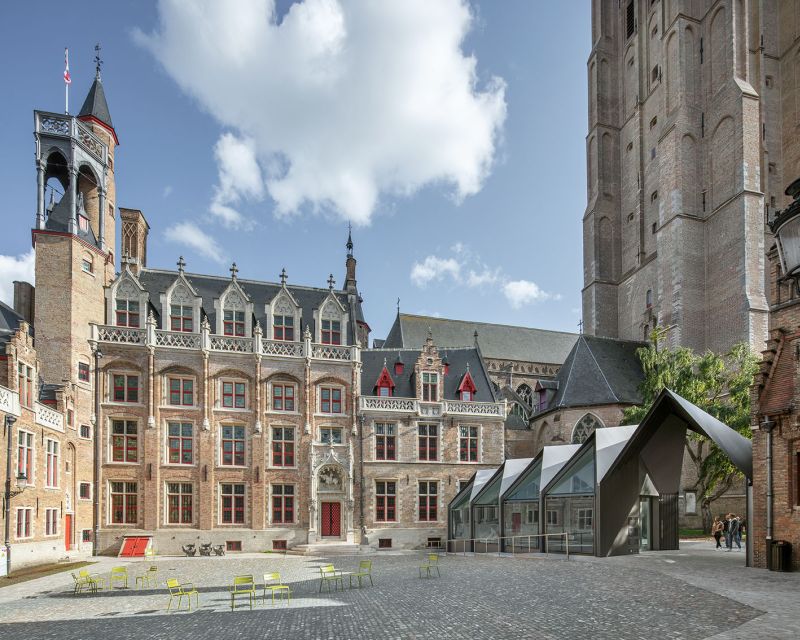
Bruges is compact, and many of the included sites sit within an easy walk of one another. That matters because the pass does not include public transportation, but you usually will not need it for this group of museums and monuments.
The card remains valid for 72 hours after activation. You can activate it by scanning the voucher at your first attraction, then use the same digital pass at each included site. You can begin at the Museum Pavilion, the main ticket center, or simply go straight to the attraction you want to visit.
I like this setup because it removes much of the small-ticket hassle. You can walk past a museum, decide you have time, and enter without buying another ticket. That freedom encouraged me to treat smaller museums as worthwhile stops rather than optional extras.
The pass gives you one-time entry to 11 attractions. It is not a guided tour, so you set the pace and choose the order. The Musea Brugge website also provides free audio tours for the locations, which can add useful context if you want more than labels on the wall.
More Museums in Bruges
- Bruges: Choco-Story Chocolate Museum Guided Tour w/Tastings
★ 4.2 · 1,379 reviews - Choco-Story: The Chocolate Museum in Bruges
★ 4.0 · 544 reviews - Bruges: Chocolate Making Workshop and Chocolate Museum Entry
★ 4.6 · 395 reviews
Start at the Belfry, Then Look Across Medieval Bruges
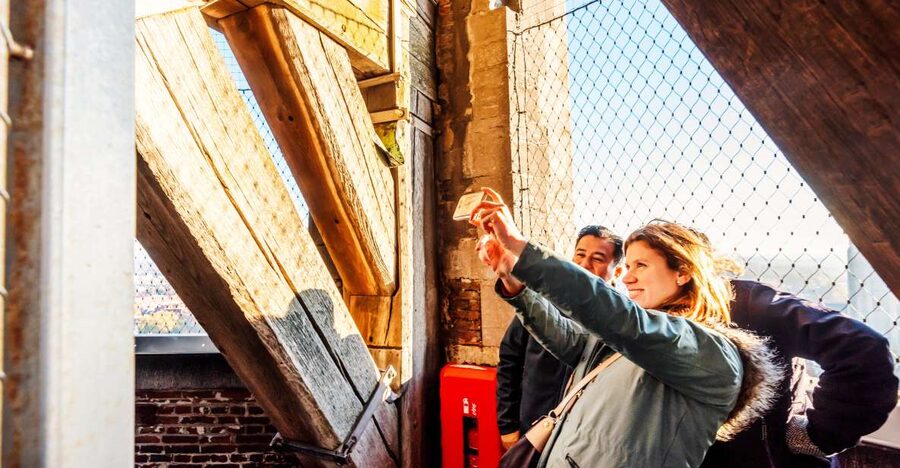
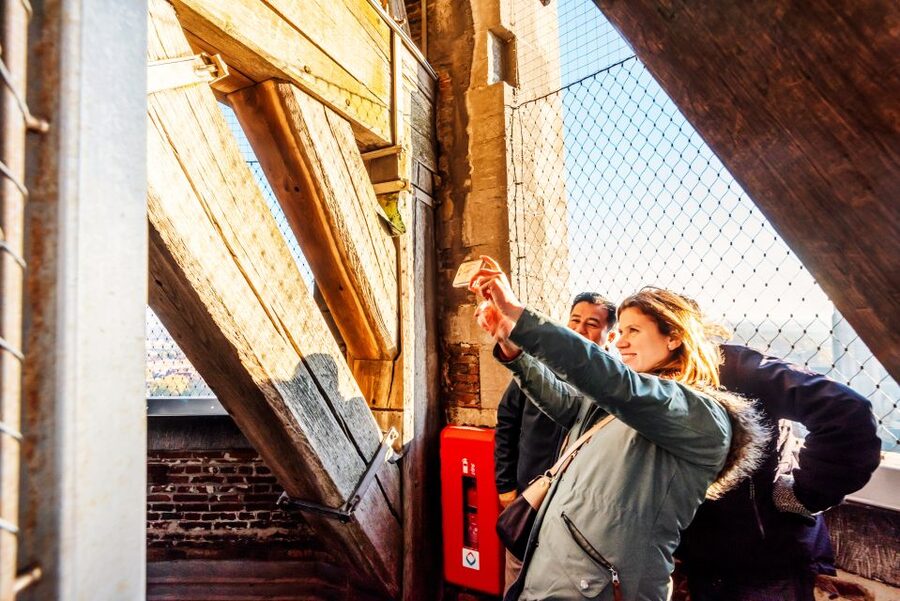
The Belfry is the card’s biggest physical challenge and one of its best rewards. You climb 366 steps to reach the top, with narrow and vertiginous sections that require a steady pace. The effort is real, but the view across Bruges gives you a clear sense of the city’s layout and medieval character.
Reserve a free time slot online through the Musea Brugge website before you go. This is one of the most useful planning tips for the whole card. A reservation helps you avoid arriving at a crowded entrance and finding that the next available climb does not fit your schedule.
The Belfry also includes the carillon, linking the building to Bruges’ long musical tradition. You are not simply climbing a tower for a photograph. The structure combines civic power, bells, height, and one of the city’s best panoramic viewpoints.
Give yourself enough time before and after the climb. The Belfry is not a quick lift ride, and the stairs can be tiring. If you have limited mobility, check the access details before booking, since the experience centers on a long stair climb.
See Bruges Through Flemish Painting
The Groeninge Museum is the card’s essential art stop. Its collection includes works by the Flemish Primitives, making it a key place to see the painting tradition associated with Bruges and the wider region.
This is where the pass works especially well for first-time visitors. You can spend time with major works without feeling that every minute is costing you another admission fee. If a particular gallery holds your attention, stay longer. If your children, companions, or tired feet need a break, move on and return to another museum later.
The collection also helps balance the city’s famous streets and canals. Bruges can look like a perfect medieval picture from the outside, but the Groeninge Museum shows the artistic skill and religious culture behind many of those images.
The museum is not the only art-focused stop. The Church of Our Lady adds a powerful work in a very different setting.
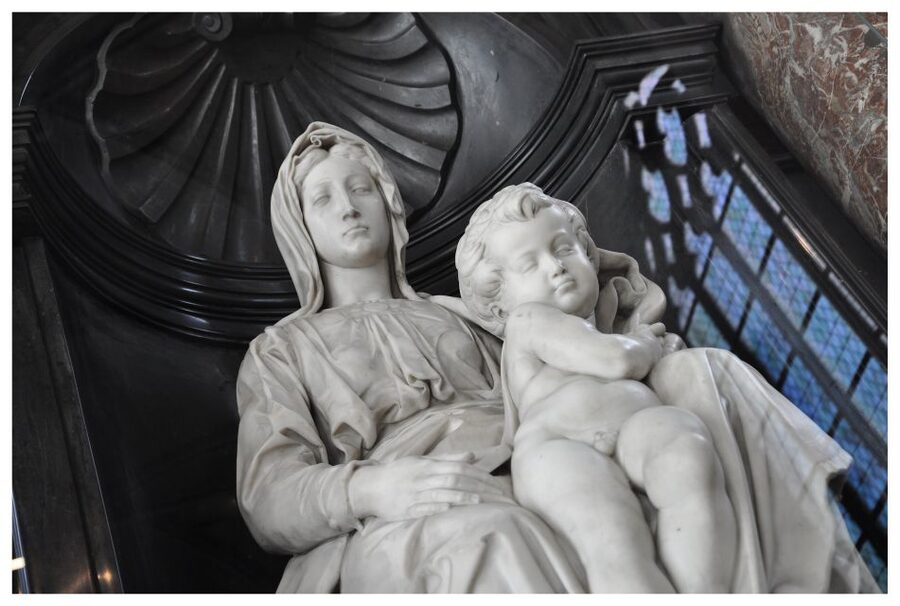
Visit Michelangelo’s Madonna and Child
The Museum of the Church of Our Lady, listed as O.L.V.-kerk Museum, gives you the chance to see Michelangelo’s Madonna and Child. It is a major draw, but the setting matters too. You are viewing sculpture within one of Bruges’ historic religious buildings, not in a modern gallery separated from the city that commissioned and preserved it.
This stop pairs naturally with the Groeninge Museum. At the museum, you see Flemish painting. At the church, you encounter a famous sculpture and the devotional setting around it. The two visits provide a useful contrast in both medium and atmosphere.
The church is one of the places where the pass saves time and money most clearly. You can scan the digital voucher at the entrance and continue with your day rather than arranging a separate ticket.
More city cards and museum passes for Bruges:
- Brussels Card: 24, 48 or 72 Hour Validity
★ 4.1 · 179 reviews - Brussels: Art Nouveau Pass – Entry to Three Locations
★ 4.0 · 108 reviews - Brussels: 48 Museums, Atomium, and Discounts Card
★ 4.2 · 102 reviews - Brussels: City Card with Hop-On Hop-Off Bus
★ 3.7 · 79 reviews
Step Inside St John’s Hospital
St John’s Hospital is one of the strongest stops on the card. The building itself is part of the experience, and the hospital setting gives the art a strong connection to care, religion, and daily life in earlier Bruges.
You can expect a mix of art and heritage here rather than a single narrow collection. That range makes it a good choice if you are interested in how historic buildings were used, not just in paintings displayed on clean white walls.
I would not rush this museum. It is easy to treat the card as a checklist, especially when you have 11 included places in three days. St John’s Hospital rewards a slower visit, particularly if you want to understand how Bruges’ cultural institutions grew out of working buildings.
It is also a practical stop because it sits near other central attractions. You can combine it with the Church of Our Lady and Groeninge Museum in one art-focused stretch, then save City Hall or the Folk Museum for another day.
Compare Gruuthuse Museum With Bruges’ Civic Rooms
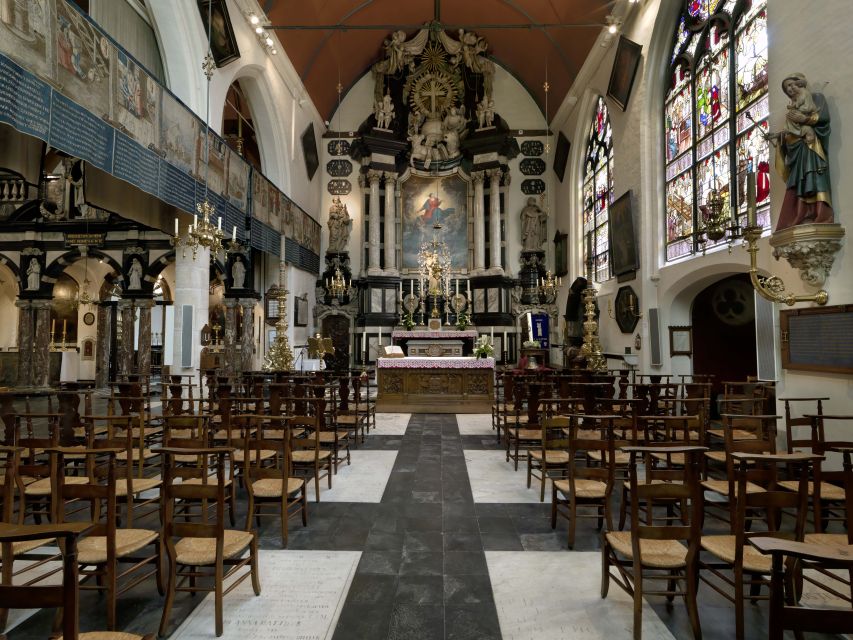
The Gruuthuse Museum presents Bruges through its decorative arts, objects, and domestic history. It gives you another angle on the city, moving away from famous paintings and toward the material life of people who lived here.
That makes it a useful counterpoint to the Groeninge Museum. One focuses heavily on fine art, while the other helps you think about furniture, objects, status, and everyday surroundings.
Access can be limited in parts of the Gruuthuse Museum, so check current accessibility information if that is important for your visit. The same applies to some of the other historic buildings on the card. Old architecture often brings steps, uneven floors, and narrow passages.
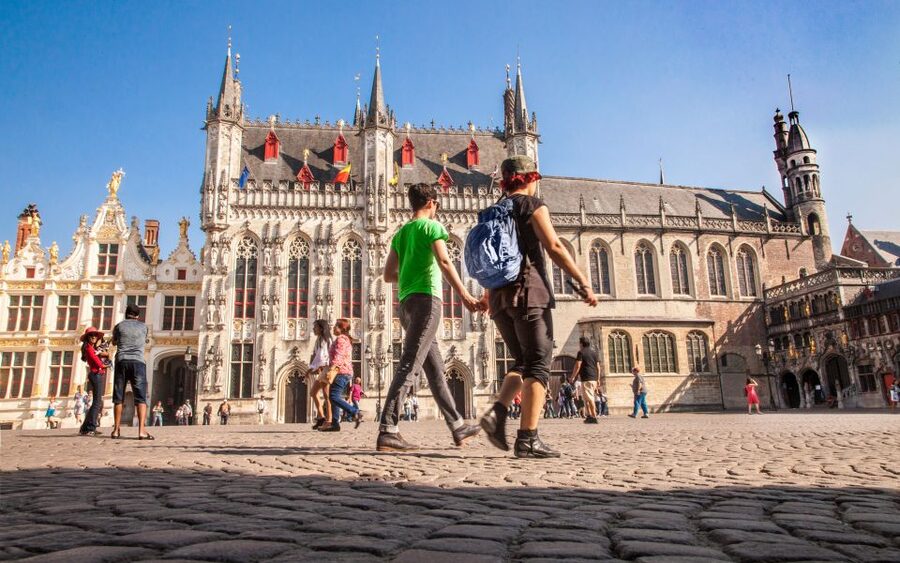
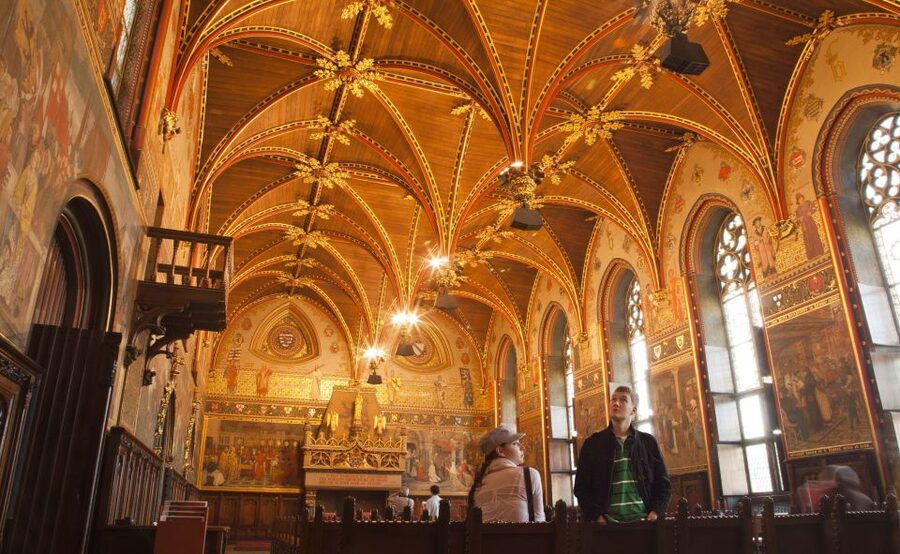
City Hall, or Stadhuis, is another important included stop. Its historic hall is known for its ornate interior, and an audiovisual presentation explains how Bruges developed over time. I especially like this kind of display because it gives you a framework for the city you are seeing outside.
The Brugse Vrije, or Liberty of Bruges, adds another civic chapter. Together, the Liberty and City Hall show how Bruges was governed and represented itself. They are not just rooms to admire. They explain the political side of the city’s story.
Find Everyday Bruges at the Folk Museum
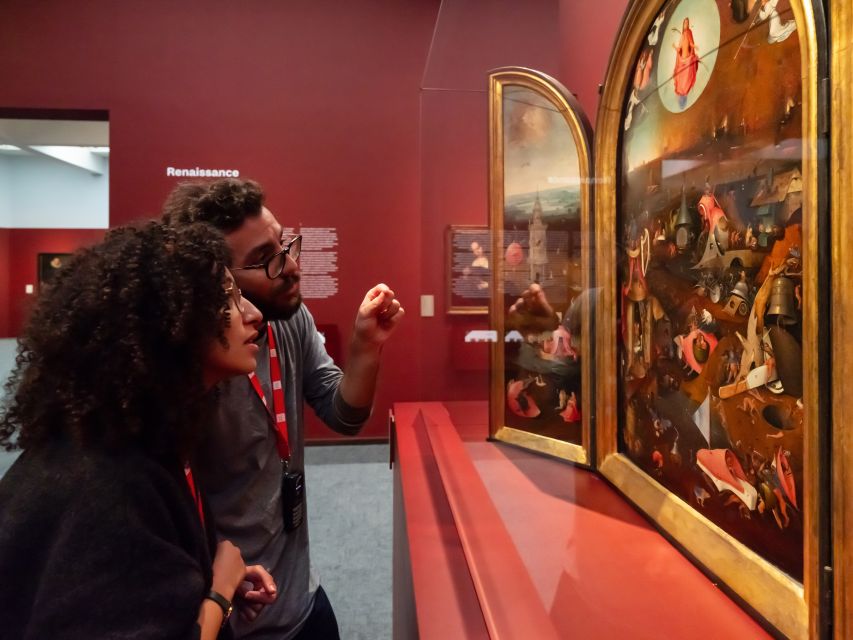
The Volkskundemuseum, or Museum of Folk Life, is an easy place to overlook if you are focused only on famous monuments. That would be a mistake. It offers a look at ordinary traditions, trades, homes, and local culture.
This is the kind of museum the card encourages you to visit. Since you have already paid for entry, you can step inside for a shorter visit and decide how long to stay. It may be especially appealing if you want a break from religious art and grand civic interiors.
The museum also works well after City Hall or the Belfry because it shifts your attention from official Bruges to the lives of its people. The result is a more rounded picture of the city.
The Gezellehuis, or House Gezelle, provides another cultural stop. It connects the card to a specific Bruges figure and gives the collection a more personal scale. Like the Folk Museum, it is useful for anyone who wants to move beyond the postcard version of Bruges.
Walk Out to the Sint-Janshuis Mill
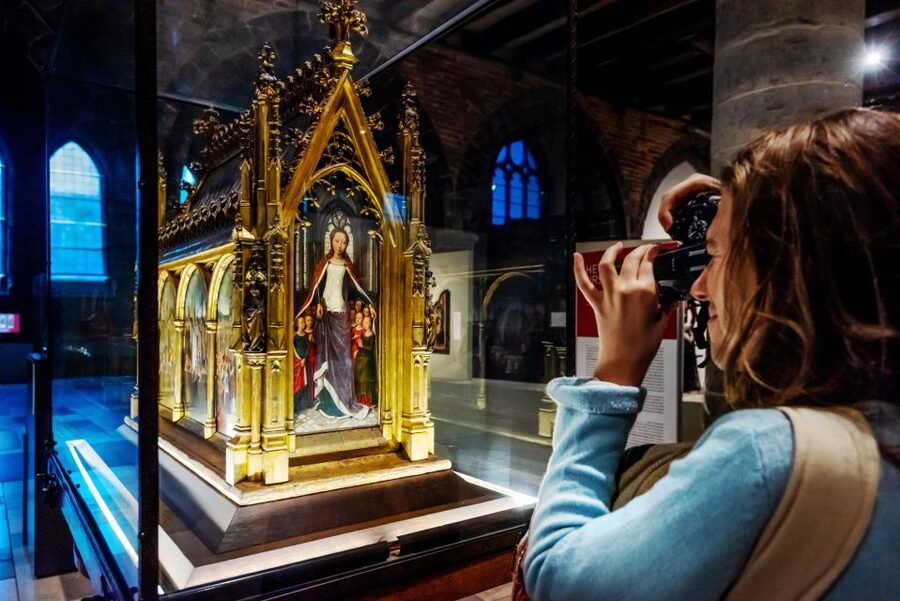
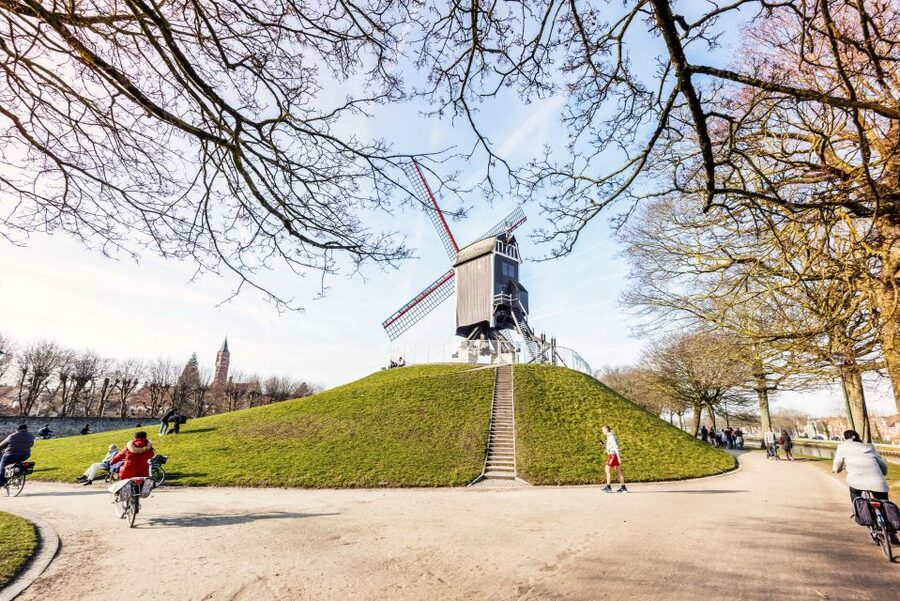
The Sint-Janshuis Mill is the most unusual attraction on the list. A historic windmill gives you a change of pace from churches, paintings, and municipal buildings. It also takes you away from the tight central group of museums, making it feel like a small outing within the city.
The climb includes steep, vertiginous steps, so wear sensible shoes and take your time. The mill is closed during winter and opens on April 1, so check the season before building your itinerary around it.
I like this stop because it shows that Bruges is more than its central squares. The mill adds a practical piece of local heritage and gives the card some variety. It is not the right choice for every visitor, especially if stairs are difficult or your schedule is short, but it can be one of the most memorable included sites.
Explore Our Lady of the Pottery
The Church of Our Lady of the Pottery is another site that broadens the card beyond central art museums. It connects Bruges’ religious and architectural heritage with a quieter historic setting.
Because the Musea Brugge Card covers both major attractions and smaller sites, you can decide how much time to give each one. If you have three full days, this is the sort of place to add after the headline sights. If you have only a single day, prioritize the Belfry, Groeninge Museum, Church of Our Lady, and St John’s Hospital first.
That priority list is not a judgment on the other attractions. It simply reflects the limited time most people have in Bruges and the particular appeal of the major art and viewpoint stops.
Is $38 a Good Price?
At the listed price of $38 per person, the pass needs several visits to make financial sense. A practical rule is to plan on at least three included attractions, especially if you choose the Belfry and the major museums.
The strongest value comes from combining high-demand sites such as:
- Belfry
- Groeninge Museum
- Museum of the Church of Our Lady
- St John’s Hospital
- City Hall
- Gruuthuse Museum
Once you have visited three or four of these, the pass can compare well with separate admissions. You also gain the convenience of one digital voucher and less time at ticket counters.
The card is less compelling if you only want one museum and a walk around the historic center. It also does not cover every museum in Bruges, so check the included list before buying. Some people have found the coverage less clear than expected, particularly when they had other museums in mind.
The pass becomes especially good value over two or three days. You do not need to force seven museums into one afternoon. You can visit a few major sites, take a break, then return to a smaller museum when you have more energy.
Plan Around Hours, Closures, and Crowds
Check opening hours before you set your route. Winter hours are shorter, and some sites close on days when others remain open. Monday planning deserves special care, since Gruuthuse Museum and St John’s Hospital have been closed on Mondays at times.
Many museums close around the same time, so do not leave every indoor visit until late afternoon. Start with the attraction that requires a time slot, usually the Belfry, then group nearby museums while they are open.
A simple three-day plan could look like this:
- Day one: Belfry, City Hall, Brugse Vrije, and the Church of Our Lady.
- Day two: Groeninge Museum, St John’s Hospital, and Gruuthuse Museum.
- Day three: Folk Museum, Gezellehuis, Our Lady of the Pottery, and the mill if it is open.
You do not need to follow that order. The point is to spread the visits and leave room for meals, photos, and the pleasure of walking Bruges without a stopwatch.
The digital format is straightforward. Scan the voucher at your first attraction, then show the active pass at later entrances. You can add the card to your phone wallet, though one person had trouble finding it again after it moved into deleted cards. Keep the original voucher accessible in case you need it.
Large bags and luggage are not allowed. Assistance dogs are allowed, but other pets are not. Flash photography is also prohibited, so turn off the flash before entering the galleries and historic interiors.
Who Should Buy the Card?
I would recommend the Musea Brugge Card to you if art, architecture, and local history are central to your visit. It is also a good fit if you like having options. You can enter a museum simply because you are nearby, rather than weighing another ticket purchase.
Families and independent visitors may appreciate the flexibility. You can spend 20 minutes in one place and an hour in another without losing the value of separate admissions. The free audio tours on the Musea Brugge website can also help you create your own visit without booking a guide.
The card is less suitable if you plan to spend most of your time outdoors, in cafés, or on a short day trip. It is also not a public transportation pass, and not every museum in Bruges is included.
You can activate the card up to one year after purchase, which gives you some booking flexibility. Free cancellation is available up to 24 hours in advance, and the reserve-now, pay-later option can help if your schedule is still moving.
Should You Book the Musea Brugge Card?
Book it if you plan to visit three or more included attractions, especially the Belfry, Groeninge Museum, Church of Our Lady, and St John’s Hospital. Those visits alone give the pass much of its practical value, while City Hall, the Folk Museum, and the mill add welcome variety.
Skip it if your Bruges visit is mostly a stroll through the center with one museum stop. Before buying, check the opening days, winter schedule, accessibility information, and the list of museums you actually want to see.
For an art-and-history visit spread over two or three days, the card is a sensible buy. It saves separate ticket purchases, keeps your plans loose, and helps you notice the smaller corners of Bruges that are easy to miss.
FAQ
How long is the Musea Brugge Card valid?
The card is valid for 72 hours after activation. You can activate it at your first included attraction by scanning the voucher.
Which attractions are included?
The card includes the Belfry, Brugse Vrije, Gezellehuis, Groeninge Museum, Gruuthuse Museum, Museum of the Church of Our Lady, Church of Our Lady of the Pottery, St John’s Hospital, Sint-Janshuis Mill, City Hall, and the Museum of Folk Life.
Do I need to reserve a time for the Belfry?
A free Belfry time slot is recommended online through the Musea Brugge website. The recommendation applies even if you have the Musea Brugge Card.
Is the windmill open all year?
No. The Sint-Janshuis Mill is closed during winter and opens on April 1.
Can I use the card on my phone?
Yes. You can activate the card by scanning the voucher at an attraction, and a digital version can be added to your phone wallet.
Does the card include public transportation?
No. Public transportation is not included. The attractions covered by the card are generally within walking distance of one another.
Just added around Bruges
- 2-Hour Private Walking Tour of Bruges★ 5.0 · 13 reviews
- The Waffles ‘n Coffee Breakfast in Bruges Centre★ 4.5 · 9 reviews
- Ticket Expo Body Worlds in Bruges, Belgium★ 4.5 · 11 reviews
- Discover the secrets of Bruges by playing!★ 4.5 · 7 reviews
- Explore the Instaworthy Spots of Bruges with a Local★ 5.0 · 3 reviews
- Australian Battlefields Private Tour in Flanders from Bruges★ 5.0 · 15 reviews
- 6 Hour Bruges Shore Excursion from Zeebrugge Cruise Port★ 4.5 · 23 reviews
- Photo Tour “Jan van Eyck”★ 4.0 · 7 reviews
Museums, compared.

Atomium Entry Ticket with Design Museum Ticket
Read our review →
Choco-Story Brussels: Chocolate Museum Entrance with Tasting
Read our review →
Choco-Story Chocolate Museum Guided Tour w/Tastings
Read our review →
2.5-Hour Chocolate Museum Visit with Workshop
Read our review →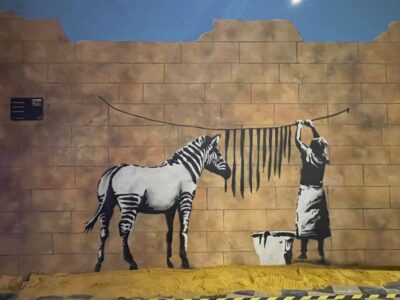
The World of Banksy Museum Permanent Exhibition
Read our review →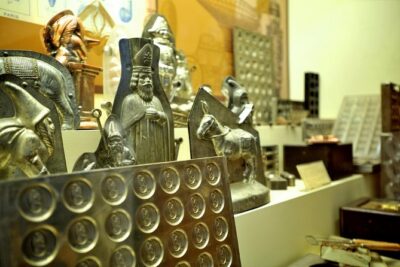
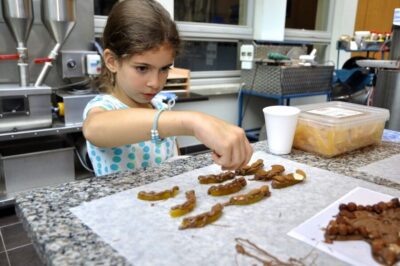
Chocolate Making Workshop and Chocolate Museum Entry
Read our review →Browse the lists this tour appears in