
Reviewed · GUIDED
Brussels: Fall and Rise of Art-Nouveau Guided Tour
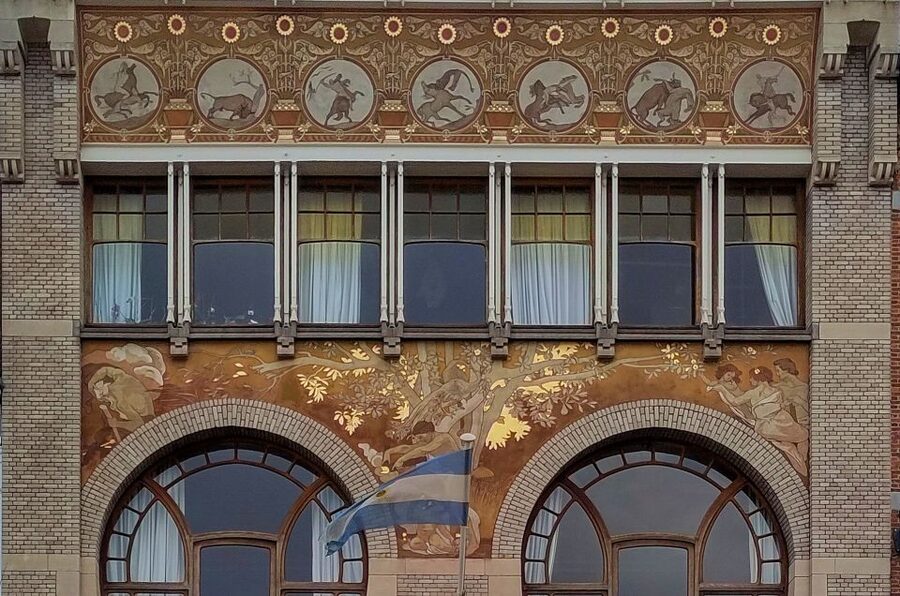
Brussels Art Nouveau is best understood from the pavement, where curved ironwork, colored façades, and decorative details sit at eye level. This three-kilometer walk takes you through Saint-Gilles and Ixelles, two of the city’s strongest areas for late nineteenth-century architecture, and connects the buildings to the techniques behind them.
I like the focus on sgraffito, a decorative method that many visitors see without knowing its name. I also like the stop connected with Victor Horta’s Maison du Peuple, since even its remaining traces help explain how much Brussels lost as the city changed. The main consideration is language: the live guide speaks Spanish, so this is not the right pick if you need an English tour.
Key points of the Brussels Art Nouveau walk
- Three kilometers on foot: Expect a 150-minute route around the streets of Saint-Gilles and Ixelles.
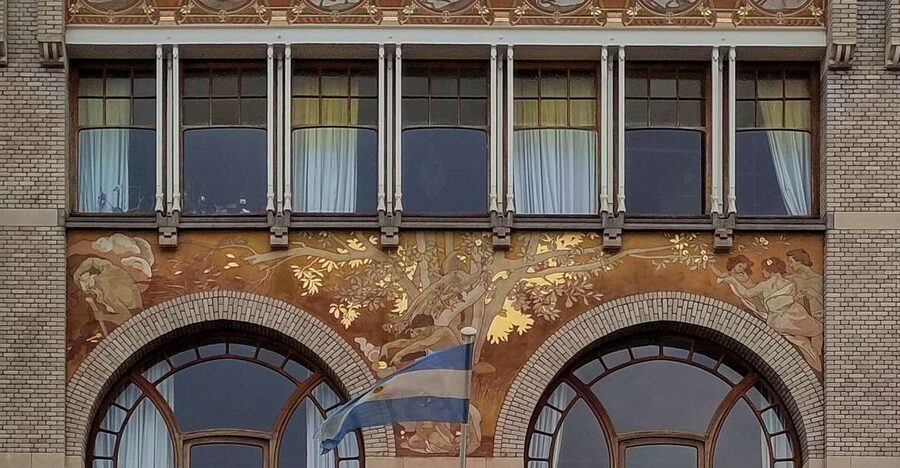
- Sgraffito explained: Learn how this layered wall decoration differs from fresco painting.
- Victor Horta connection: See the historical remains of Horta’s Maison du Peuple.
- Architecture at street level: Study façades, ornament, and the practical techniques used by Art Nouveau architects.
- Spanish-language guiding: Samuel has explained the subject clearly and answered detailed questions during the walk.
- Useful wet-weather planning: Bring an umbrella, raincoat, or poncho because the tour takes place outdoors.
Why this is a smart way to see Brussels Art Nouveau
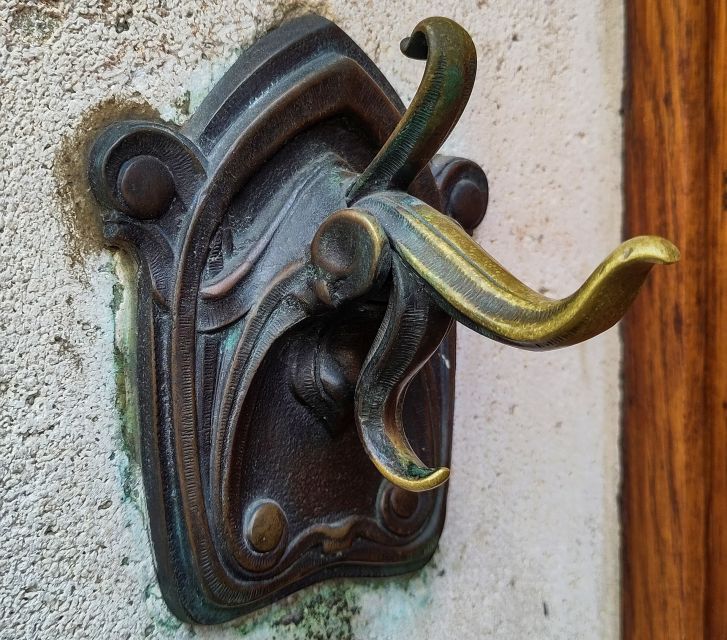
Brussels can make Art Nouveau feel like a scavenger hunt. A pretty façade appears around a corner, you take a photo, and then you keep walking without knowing why its details matter. This tour gives those details a purpose.
The route covers about three kilometers in 150 minutes. That is a comfortable pace for an urban architecture walk, though you should still expect to be on your feet for most of the outing. The distance is long enough to show a range of buildings but short enough to keep the subject from turning into a citywide march.
The setting matters. Brussels has 19 communes, and Saint-Gilles and Ixelles contain some of the city’s most intact concentrations of Art Nouveau houses. You are not being sent from one isolated landmark to another. You are walking through residential streets where the architecture forms part of the neighborhood itself.
I especially like this approach for first-time Art Nouveau visitors. You can learn a few visual clues early in the walk, then use them again as you move along. Curving lines, decorative panels, unusual materials, and carefully designed entrances begin to make more sense when your guide points them out in context.
A few more Brussels half days worth weighing up
- Brussels: Atomium Entry Ticket with Design Museum Ticket
★ 4.4 · 9,254 reviews - From Brussels: Guided Day Trip to Bruges and Ghent
★ 4.6 · 8,353 reviews - From Brussels: Bruges & Ghent Day Tour – 2 Fairytale Cities
★ 4.7 · 8,242 reviews
Meeting at Horta Metro station
The meeting point is beside Horta Metro station, served by lines 3 and 4, on Chaussée de Waterloo near number 187. Look for the Curiositas Mundus badge worn by the guide.
This is a practical starting point because it is tied to public transport rather than a vague street corner. Give yourself enough time to reach the station and locate the guide without rushing. The exact starting time depends on availability when you book.
The tour is wheelchair accessible, which is useful information for anyone considering an urban walking route. Still, the experience remains an outdoor walk of about three kilometers, so personal comfort with that length is worth considering. You should also bring weather protection. Brussels weather can change quickly, and there is no indoor shelter built into the tour.
Curiositas Mundus also invites participants to join its Telegram channel for extra content during the tour. That may appeal to you if you like having additional material to consult while exploring, but the main experience remains the live walk and spoken explanation.
Reading the façades of Saint-Gilles and Ixelles
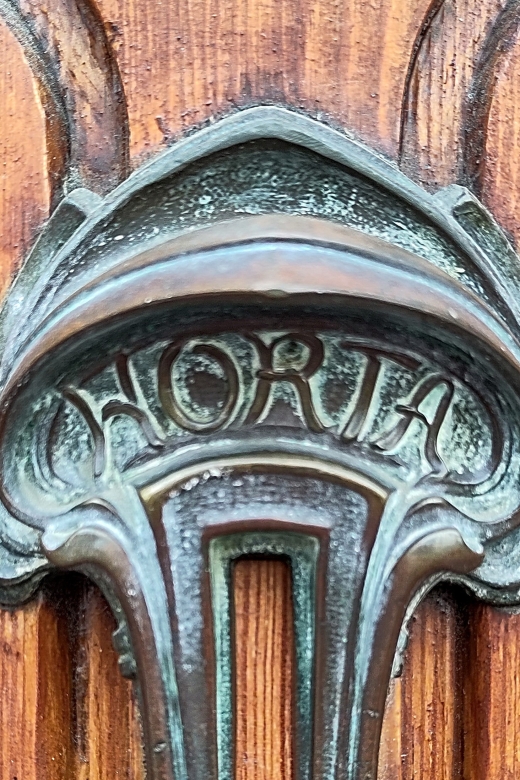
The early part of the route introduces the streets around Saint-Gilles and Ixelles, where many late nineteenth-century houses remain in stable condition. These neighborhoods are a good match for Art Nouveau because you see the style in its original urban role: private homes and street-facing buildings, not only famous museum pieces.
That difference is important. A museum can isolate a doorway, staircase, or piece of furniture for close study. Here, you see how a whole façade works from the sidewalk. The windows, entrance, balcony, decorative panels, and wall surfaces belong to one design.
Your guide draws attention to the techniques used by Art Nouveau architects. You will learn about the methods most often used in the style rather than simply hearing a list of famous names. That makes the tour useful even if you have never studied architecture.
The route also lets you compare buildings. One façade might use decoration in a restrained way, while another gives ornament a larger role. You might notice how the architects worked with the shape of a doorway or window rather than treating decoration as an afterthought.
Because the walk focuses on exteriors, you should not expect regular access inside private houses. The reward is close observation from public streets, with the guide explaining what you are looking at. If your main goal is to visit interiors, you will need to pair this tour with another Brussels attraction.
Sgraffito, fresco, and the Art Nouveau surface
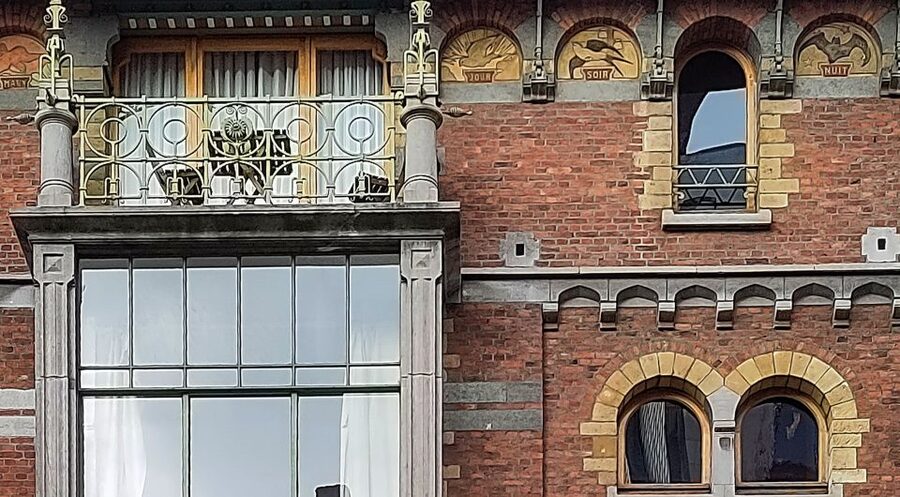
One of the most useful subjects on the walk is sgraffito. The word can sound technical, but the basic idea is easy to follow once you see how it works.
Sgraffito uses layers of plaster or similar surface material. The upper layer is scratched or cut to reveal the color beneath, creating a decorative image or pattern. Fresco, by contrast, involves applying pigment to wet plaster so the color becomes part of the wall surface as it dries.
You may have passed sgraffito panels in Brussels without recognizing them. Learning the difference gives you a practical skill to use for the rest of your visit. Look for decorative wall sections around windows and entrances, then consider whether the image appears painted, layered, or cut into the surface.
This is where the tour earns its modest price. You are not only being led to attractive streets. You are learning how to inspect them. Once you understand one technique, the façades become less like a blur of ornament and more like a set of design decisions.
The topic also helps explain why Art Nouveau feels different from older architectural styles. The decoration is often closely tied to the building’s materials and structure. A surface is not merely covered with a pattern. Its treatment can shape how the entire house looks from the street.
Same city, a completely different kind of day out:
- Choco-Story Brussels: Chocolate Museum Entrance with Tasting
★ 4.3 · 4,883 reviews - Bruges and Ghent – Belgium’s Fairytale Cities – from Brussels
★ 4.0 · 4,809 reviews - Brussels: Hop-On Hop-Off Bus Tour
★ 4.0 · 4,016 reviews - Brussels: Entry Ticket to Mini-Europe
★ 4.5 · 2,870 reviews
Finding the remains of Victor Horta’s Maison du Peuple
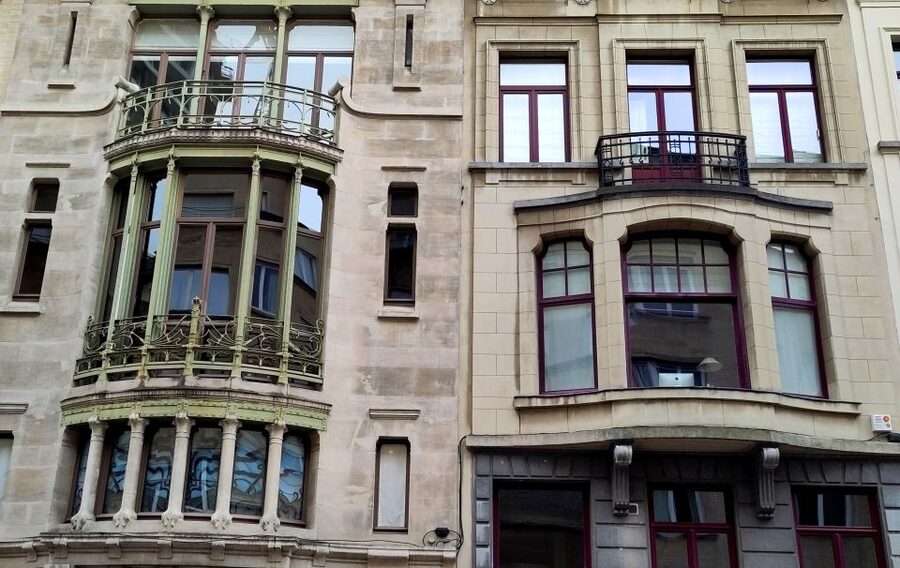
The tour includes the historical remains of Victor Horta’s Maison du Peuple, or People’s House. This is one of the most meaningful stops because it brings both architecture and urban change into the discussion.
Horta is one of the central figures in Brussels Art Nouveau, and seeing what remains of the Maison du Peuple gives you a direct connection to his work. The stop also carries a note of loss. You are not visiting a fully preserved building in its original form, but examining surviving traces and considering what has disappeared.
That makes the stop different from simply admiring a handsome façade. It raises a basic question about city life: what happens when an important building no longer fits later plans or changing needs? The remains become evidence of an earlier Brussels and a reminder that architectural treasures are not always protected.
Your guide can place the site within the wider development of Art Nouveau. You will learn about the question of what counted as the style’s first house, then connect that idea to Horta and the buildings around you. The precise value of this part lies in the explanation, since the physical remains alone may not tell the full story.
If you enjoy architecture with a social and historical angle, this should be one of the strongest parts of the walk. If you prefer a series of perfectly preserved monuments, it may feel less immediately satisfying. I think the incomplete condition makes it more thought-provoking.
A guide who explains instead of rushing
The tour is conducted in Spanish. That is the most important booking decision, and you should be comfortable following a sustained explanation in that language.
Samuel is named as a guide who explains Art Nouveau clearly while using the façades around you to make the subject easier to grasp. He also takes questions, which matters on a walk built around visual details. You can ask about a technique, a building, or a decorative feature instead of waiting for a general lecture to finish.
Other feedback highlights dedication, pleasant treatment, and strong knowledge of the subject. I would place the greatest weight on the clear explanations and question-friendly format, since those qualities directly affect how much you take away from an architecture walk.
The additional audiovisual information may help reinforce what you see in the street. It can be useful when a surviving detail is hard to understand from a distance or when the guide needs to show how a building once looked. The available information does not specify exactly what the audiovisual material includes, so treat it as a supplement rather than the main attraction.
This is not a private architectural consultation. The group size is not specified, and the tour is priced at $17 per person, so you should expect a standard guided group format rather than a fully personalized visit. Even so, the ability to ask questions can make the experience feel more direct.
What the 150-minute schedule means for you
Two and a half hours is enough time to build a clear picture of Brussels Art Nouveau without spending an entire day on one subject. The route is about three kilometers, so the average pace should allow time for explanations and stops rather than constant fast walking.
Wear comfortable shoes. The tour takes place on city streets, and you will likely pause several times while looking up at façades or listening to the guide. You should also dress for the forecast, since the advice specifically calls for an umbrella, raincoat, or poncho in wet weather.
Rain does not automatically make the subject impossible. Wet streets can even bring out colors and reflections on façades. Still, an umbrella can make listening harder, and prolonged rain may reduce the pleasure of looking carefully at decorative work. If the forecast is poor, pack properly instead of hoping for a dry break.
The route is wheelchair accessible, which broadens its usefulness. Since the experience still covers three kilometers outdoors, check your own comfort with that distance and allow for the time involved. The activity information does not provide further details about slopes, pavement, or restroom access, so those questions should be confirmed if they are important to you.
Is $17 good value for this walking tour?
At $17, this is a low-cost way to add structure to a Brussels architecture day. You are paying for a live guide, a 150-minute walk, and additional audiovisual information. You are not paying for admission to interiors or for transportation between distant sights.
The value is strongest if you would otherwise walk through Saint-Gilles and Ixelles without knowing what to look for. A guide can save you time and help you notice small details that are easy to miss. The cost also compares well with many paid city activities because the tour covers a substantial period and a broad neighborhood route.
The price is less compelling if you already know Brussels Art Nouveau well or have arranged another detailed architecture tour. It is also not the best use of money if you need English, since the live language is Spanish.
Free cancellation up to 24 hours before the tour and the reserve-now, pay-later option reduce the risk of fitting it into an uncertain schedule. Those policies are useful for a city break where weather or transport plans may change.
Who should book the Saint-Gilles and Ixelles route?
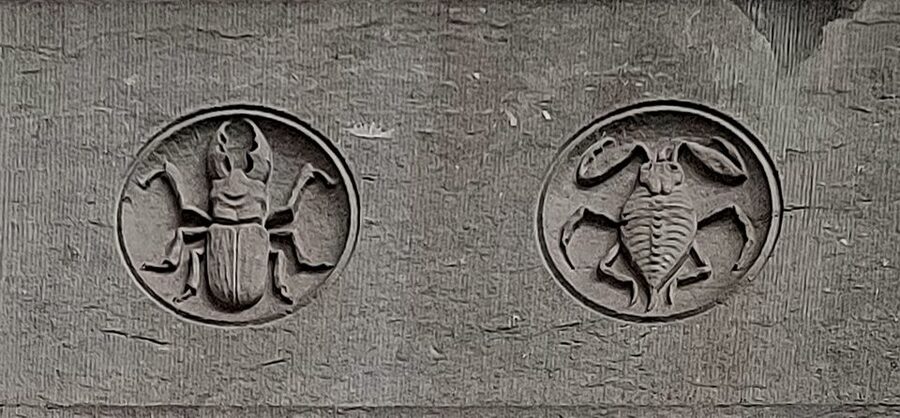
I would recommend this for you if you like architecture, city history, and practical explanation. It works particularly well for visitors who want to understand how Art Nouveau was made, not just photograph attractive houses.
It is also a good choice for Spanish-speaking visitors who want a guided walk with room for questions. Samuel’s clear teaching style, as described in the available feedback, should suit you if technical subjects can sometimes feel dry or hard to follow.
Families with older children may find the sgraffito lesson useful because it gives everyone a simple visual task: identify how the decoration was made. The three-kilometer length and 150-minute duration still require enough attention for the children to stay engaged.
You should think twice if you dislike outdoor walking, need an English-language guide, or want access to grand interiors. The route is about streets and façades, with the remains of Maison du Peuple adding an important but incomplete historical stop.
Should you book this Brussels Art Nouveau tour?
Book it if you want a focused introduction to the buildings of Saint-Gilles and Ixelles, especially in Spanish. The strongest reasons are the street-level route, the explanation of sgraffito and fresco, and the connection to Victor Horta’s Maison du Peuple.
I would choose this over an unguided architecture stroll if you want to understand what you are seeing. Bring good shoes and rain gear, meet beside Horta Metro station near number 187, and keep the three-kilometer route in mind. At $17, it offers solid value for a well-explained outdoor look at one of Brussels’ defining architectural styles.
FAQ
Where does the Art Nouveau tour meet?
The meeting point is next to Horta Metro station, served by lines 3 and 4, on Chaussée de Waterloo near number 187. The guide wears a Curiositas Mundus badge.
How long does the tour last?
The guided walk lasts 150 minutes, or two and a half hours.
How far do I walk?
The route covers approximately three kilometers through the outskirts of Brussels.
Which neighborhoods does the tour visit?
The walk takes place mainly in the Brussels communes of Saint-Gilles and Ixelles.
What language is the tour conducted in?
The live tour guide speaks Spanish.
Is the tour wheelchair accessible?
Yes, the activity is listed as wheelchair accessible.
What should I bring if it rains?
Bring an umbrella, raincoat, or poncho. The tour takes place outdoors.
Does the tour explain sgraffito?
Yes. You will learn what sgraffito is and how it differs from frescoes.
Can I cancel for a full refund?
Yes. You can cancel up to 24 hours in advance for a full refund. You can also reserve now and pay later.
Just added around Brussels
- Standard vehicle from Brussels airport to city of Antwerp★ 5.0 · 4 reviews
- Luxury Minivan from Brussels airport to the city of Brussels★ 4.0 · 7 reviews
- Transfer Brussels Airport (BRU) –> City Center 7 PAX (ONE WAY)★ 5.0 · 7 reviews
- Luxury vehicle from Brussels airport to the city of Brussels★ 4.0 · 5 reviews
- Transfer Brussels Airport –> Brussels MB V Class 7 PAX (ONE WAY)★ 5.0 · 4 reviews
- Transfer Brussels Airport –> City MB E Class 1-3 PAX (ONE WAY)★ 5.0 · 6 reviews
- PRIVATE MPV TRANSFER FROM/TO BRUSSELS AIRPORT (Max 6 pax) ONE-WAY★ 5.0 · 4 reviews
- Waterloo Private Battlegrounds Tour with Lion Hill★ 4.5 · 9 reviews
Guided, compared.


Small Group Boat Cruise and Guided Walking Tour
Read our review →
Choco-Story Chocolate Museum Guided Tour w/Tastings
Read our review →
Browse the lists this tour appears in