
Reviewed · MUSEUMS
Brussels: Musical Instruments Museum Entry Ticket
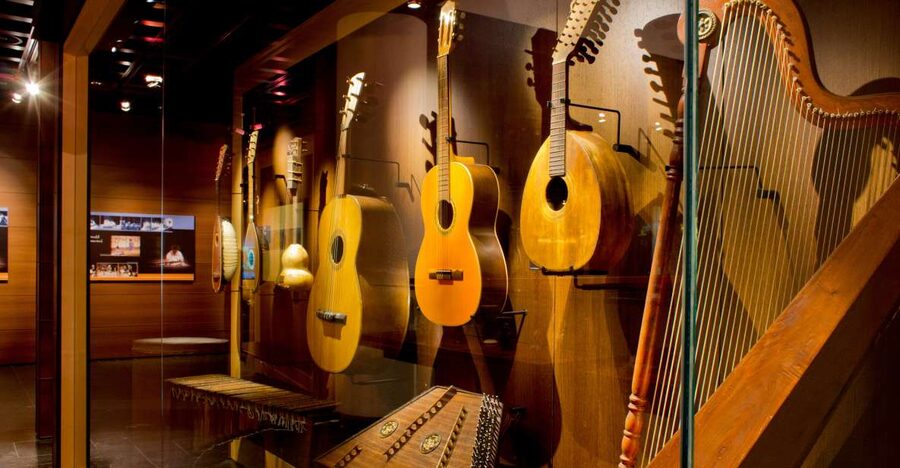
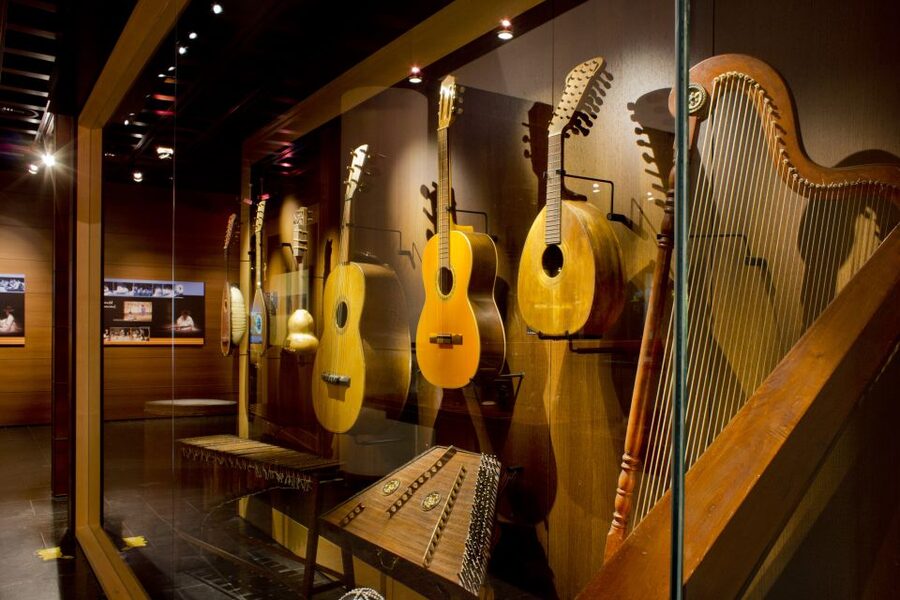
The oldest preserved saxophone in the world is one reason to visit this Brussels museum, but the clever audio system may be the biggest draw. Across four floors, you can see instruments from Africa, Europe, and beyond, then hear nearly 300 pieces through the included multimedia device. The instruments do not sit silently behind glass. Their sounds give the collection a pulse.
I like the museum’s wide range and its beautiful home in the Old England building, an Art Nouveau landmark on Brussels’ Mont des Arts. I also like the freedom of a one-day ticket: you can spend an hour on the highlights or stay for about two hours, as many visitors do. The main drawback is that not every instrument has an audio sample, and the museum restaurant is closed during renovation.
Key points to know before you go
- Hear nearly 300 musical clips: The included device adds sound to the displays, with English, Dutch, and French options.
- See four floors of instruments: Exhibits cover European music, keyboards, instruments from around the world, and electronic music.
- Look for the oldest preserved saxophone: It is one of the museum’s most unusual objects.
- Enjoy the building as part of the visit: The Old England building is a fine example of Art Nouveau design.
- Allow about two hours: That gives you time for several galleries without rushing every display.
- Treat the concert as a separate plan: Performances take place in the neoclassical hall, but concert admission is not included.
A music museum with sound built in
Many instrument museums ask you to imagine the music. This one gives you a better tool. Your ticket includes a multimedia device with close to 300 audio clips, so you can connect the shape of an instrument with its actual sound.
That matters most when an object is unfamiliar. A slit drum from Africa, an old keyboard, or an electronic instrument can look interesting but hard to understand in silence. Hearing the tone gives each display a practical purpose. One audio sample may also make you want to move on quickly, while another can keep you standing in front of the case longer than planned.
The system is not complete for every object. Some instruments do not have a matching recording, so you will still spend part of the visit looking rather than listening. Even so, the audio feature is a major reason this museum works better than a conventional display of instruments.
The device is available in English, Dutch, and French, making the visit easy to follow without a scheduled guide. You set your own pace, pause when an instrument catches your eye, and move on when a section does not suit your interests.
More Museums in Brussels
- Brussels: Atomium Entry Ticket with Design Museum Ticket
★ 4.4 · 9,254 reviews - Choco-Story Brussels: Chocolate Museum Entrance with Tasting
★ 4.3 · 4,883 reviews - Brussels: 2.5-Hour Chocolate Museum Visit with Workshop
★ 4.6 · 1,263 reviews
Four floors, four different ways to hear music
The collection is arranged across four floors, with each area offering a different view of how people create and shape sound. You do not need to be a trained musician to enjoy it. The displays are useful for specialists, but the museum also works for anyone who likes design, technology, craft, or unusual objects.
The European instrument section gives you a look at how musical tools changed over time. You will find historic instruments and examples tied to European musical traditions. The audio clips help make this section less technical, particularly if you are not familiar with the names or shapes of older instruments.
The keyboard collection is another strong stop. Keyboards show the meeting point between music, mechanics, and design. You can see how makers built instruments to control pitch and tone, while the recordings give you a sense of what those designs were intended to produce.
A separate gallery covers traditional instruments from around the world. This is likely to be one of the most varied parts of the museum. African slit drums sit within a wider collection of instruments from different cultures, giving you a chance to compare materials, forms, and playing methods.
The electronic instruments section brings the story closer to the present. It helps explain that musical invention did not stop with wooden, metal, or stringed instruments. If you are interested in how technology changes sound, allow extra time here.
The oldest preserved saxophone and other memorable objects
The museum contains plenty of instruments, but you should not try to treat every case as equally important. Pick a few objects and give them time. The oldest preserved saxophone in the world is an obvious place to start.
That saxophone is especially useful for visitors who know the instrument as a familiar modern sound. Seeing an early example places that sound in a physical and historical setting. It is also the sort of object that can hold the attention of children and adults who might not normally choose a museum about music.
You will also find historical and modern instruments from around the world. The point is not simply to count how many instruments are present. Look at how each object solves the same basic problem: turning movement, air, strings, keys, or electronics into sound.
The multimedia clips make that comparison easier. Listen to several examples in a row when you can. You may notice how different materials produce different tones, or how two instruments with similar shapes can sound nothing alike.
The Old England building is part of the visit
The museum occupies the Old England building on Brussels’ Mont des Arts, one of the city’s best-known cultural areas. The building’s Art Nouveau details deserve your attention before you focus on the cases.
This is not a plain modern container for museum objects. The architecture adds another layer to the visit, with intricate decorative work that rewards a slow look. If you are already walking through the Mont des Arts area, the museum fits naturally into a day of central Brussels sights.
I suggest taking a few minutes to look up and around as you move between galleries. The building itself can be easy to miss if you keep your eyes fixed on the instruments. The museum works best when you treat the architecture and collection as two connected parts of the experience.
The contrast between Art Nouveau design and electronic instruments is also enjoyable. You move from historic architectural detail to modern technology without leaving the same building.
More museums and galleries in Belgium:
- Bruges: Choco-Story Chocolate Museum Guided Tour w/Tastings
★ 4.2 · 1,379 reviews - Brussels: The World of Banksy Museum Permanent Exhibition
★ 4.7 · 636 reviews - Choco-Story: The Chocolate Museum in Bruges
★ 4.0 · 544 reviews - Brussels: Train World Museum Entrance Ticket
★ 4.7 · 524 reviews
How much time should you allow?
The ticket is valid for one day, but that does not mean you need to give the museum an entire day. Plan on about two hours if you want a solid visit with time to use the audio device.
An hour can work if you are short on time and focus on the most interesting displays, the saxophone, the building, and a few audio clips. You will not hear everything in that amount of time, and you may need to skip galleries that deserve closer attention.
Two hours gives you a more comfortable visit. You can sample the European collection, spend time with the keyboards, compare instruments from around the world, and visit the electronic music display without racing.
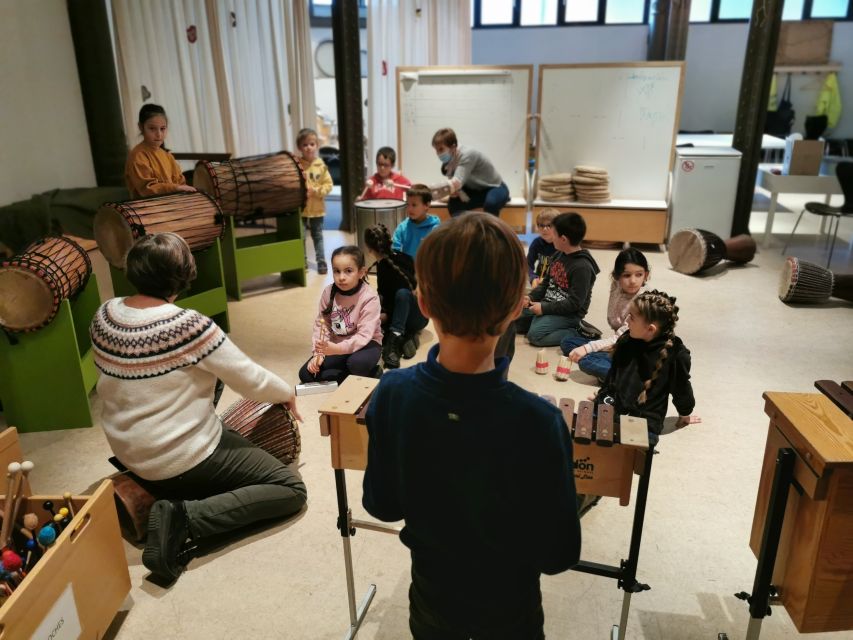
Music fans may want longer. The large number of clips invites a slower pace, especially if you listen to many examples rather than selecting only a few. Families should also allow extra time if children want to operate the audio system and choose clips for themselves.
The day-long validity is useful because it leaves room for a break elsewhere in Brussels. The museum restaurant is currently closed for renovation, so do not plan to eat there during your visit. You can use the flexible ticket to leave and return to the rest of your day, within the ticket’s stated validity.
A concert in the neoclassical hall
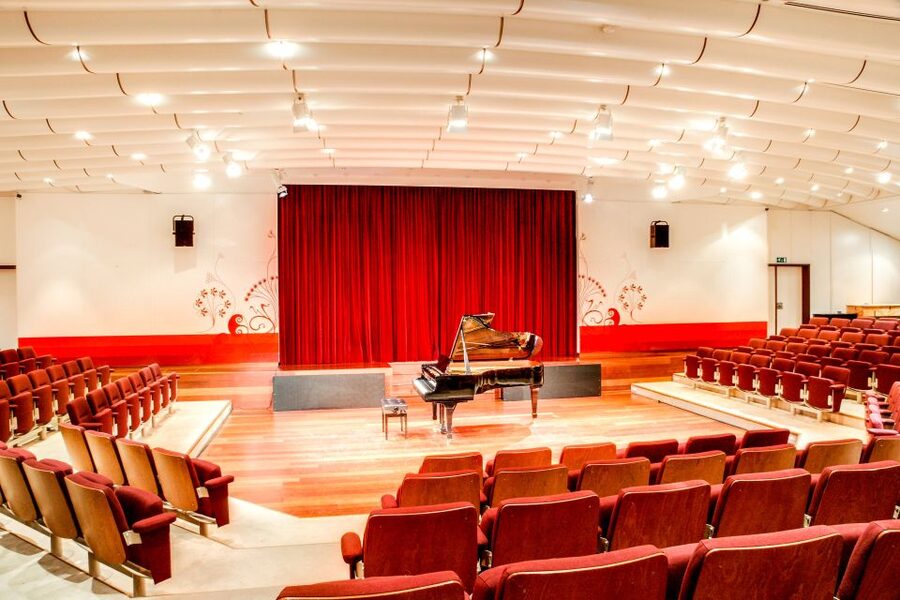
The museum also has a neoclassical concert hall, where live performances of high-quality music take place. This can turn a museum visit into a fuller musical outing, especially if you already plan to be in Brussels for an evening performance.
The important point is that the concert is not included with the museum entry ticket. You need a separate concert ticket, so check the performance details before building it into your plans.
The hall adds a different kind of experience from the galleries. In the exhibits, you control the pace and choose individual clips. At a concert, you sit with a live performance in a formal setting. These are two separate activities, and you should budget for both if you want the complete experience.
If no performance suits your schedule, the museum still works well as a stand-alone stop. Do not buy entry expecting a concert to be part of the admission.
Is the $17 ticket good value?
At about $17 per person, the ticket is reasonably priced for a museum that offers four floors, a large international collection, and an included audio system. The value depends on how you visit it.
If you spend only 30 minutes looking at a few objects, the price may feel less attractive. If you use the device, listen to a good number of clips, and take time with the architecture and galleries, the cost makes more sense.
The audio feature is important to the value calculation. You are not paying only to view instruments. You are also getting a way to hear nearly 300 pieces, which makes the collection more useful for non-specialists.
The ticket also includes skip-the-ticket-line access, which can save time on a busy museum day. Availability and starting times should still be checked when booking. The ticket is valid for one day, and free cancellation is available up to 24 hours in advance for a full refund. You can also reserve now and pay later, which helps if your Brussels schedule is still changing.
A small but useful entrance tip: if your booking includes a QR code, scan it at the entrance rather than automatically going to the ticket office. This can help avoid confusion with Brussels Card procedures. Keep the code ready on your phone.
Who will enjoy this museum most?
This is a particularly good choice for anyone who plays an instrument, studies music, or simply likes hearing how objects work. The collection offers enough detail to reward a serious interest, while the audio clips keep the visit accessible to people without a music background.
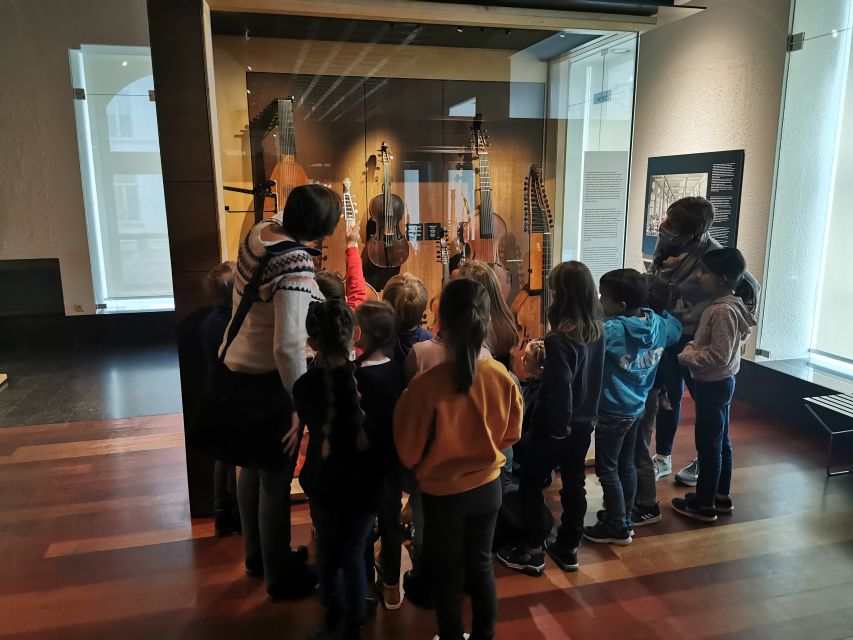
Families may also find it a good indoor stop. Children can choose sounds, compare instruments, and look for the unusual saxophone. The visit is self-guided, so you are not tied to a group’s pace.
The museum also suits design fans. The Art Nouveau building is a strong reason to visit even if musical instruments are not your main interest. Architecture and music meet here in a way that gives the museum more variety than its name might suggest.
It may be less satisfying if you want a live, hands-on activity. The instruments are displayed for viewing, and the audio system provides recordings rather than a promise that you can play the objects yourself. It may also feel slow if you are not willing to spend time listening.
The museum is wheelchair accessible. Oversize luggage is not allowed, and flash photography is prohibited, so arrive with a small bag and keep your camera flash off.
My advice on the best way to visit
Start with the building. Take in the Art Nouveau details before the collection fills your attention. Then use the audio device selectively instead of trying to hear every clip.
Choose one gallery that matches your interest and one that is outside it. A keyboard fan might pair that section with traditional instruments from around the world. Someone interested in technology could compare historic instruments with the electronic music display.
Keep an eye out for the oldest preserved saxophone, but do not treat it as the only worthwhile object. The museum’s real strength is the comparison between instruments, cultures, materials, and eras.
If you have about two hours, the visit should feel full without becoming tiring. If you have less time, focus on the saxophone, the building, and the sections that offer the most audio content.
Should you book the Musical Instruments Museum?
You should book this ticket if you want an indoor Brussels attraction with unusual objects, useful audio, and a fine Art Nouveau setting. At $17, it offers good value when you take time to listen rather than simply walk past the cases.
I would be more cautious if you want every object to have a recording, a hands-on activity, or a concert included in the price. Not all instruments have audio samples, and the concert requires separate admission.
For most music fans, families, architecture lovers, and curious visitors spending time around Mont des Arts, this is a smart two-hour stop. Bring your QR code, avoid oversized luggage, and give the sound clips enough time to make the instruments come alive.
FAQ
Where is the Musical Instruments Museum located?
The museum is located in Brussels on the Mont des Arts, in the Old England building in Belgium.
How long is the ticket valid?
The entry ticket is valid for one day. Check availability for the available starting times.
How many floors does the museum have?
The museum has four floors of collections and exhibits.
Is an audio guide included?
Yes. Your ticket includes a multimedia audio device with nearly 300 music clips. Audio is available in English, Dutch, and French.
What types of instruments can I see?
The museum includes European instruments, keyboards, traditional instruments from around the world, electronic instruments, and historical and modern instruments.
Can I see the oldest preserved saxophone?
Yes. The museum displays the oldest preserved saxophone in the world.
Is a concert included with museum admission?
No. Concert admission is not included in the museum entry ticket. Concerts take place in the museum’s neoclassical hall and require a separate ticket.
Is the museum wheelchair accessible?
Yes. The museum is wheelchair accessible. Oversize luggage is not allowed, and flash photography is prohibited.
Just added around Belgium
- Standard vehicle from Brussels airport to city of Antwerp★ 5.0 · 4 reviews
- Visit of Bruges in 1 day private tour from Paris★ 5.0 · 3 reviews
- Luxury Minivan from Brussels airport to the city of Brussels★ 4.0 · 7 reviews
- Transfer Brussels Airport (BRU) –> City Center 7 PAX (ONE WAY)★ 5.0 · 7 reviews
- Luxury vehicle from Brussels airport to the city of Brussels★ 4.0 · 5 reviews
- Transfer Brussels Airport –> Brussels MB V Class 7 PAX (ONE WAY)★ 5.0 · 4 reviews
- Transfer Brussels Airport –> City MB E Class 1-3 PAX (ONE WAY)★ 5.0 · 6 reviews
- PRIVATE MPV TRANSFER FROM/TO BRUSSELS AIRPORT (Max 6 pax) ONE-WAY★ 5.0 · 4 reviews
Museums, compared.

Atomium Entry Ticket with Design Museum Ticket
Read our review →
Choco-Story Brussels: Chocolate Museum Entrance with Tasting
Read our review →
Choco-Story Chocolate Museum Guided Tour w/Tastings
Read our review →
2.5-Hour Chocolate Museum Visit with Workshop
Read our review →
The World of Banksy Museum Permanent Exhibition
Read our review →

Chocolate Making Workshop and Chocolate Museum Entry
Read our review →Browse the lists this tour appears in