
Reviewed · BRUSSELS TOURS
From Brussels : Napoleon’s Last Campaign in Belgium Tour
Napoleon’s final campaign becomes far easier to understand when you see the ground for yourself. This private six-hour tour links Ligny, Quatre-Bras, and Waterloo, then finishes at the Lion’s Hill memorial, where the Dutch marked the coalition victory.
I like the door-to-door transport from Brussels, and I like the way the route covers the wider campaign instead of stopping only at Waterloo. The main caution is the $764 per-person price, which asks you to expect a strong guide and a well-paced day. Guide quality can make a major difference.
Key points to know before booking
- Three separate battlefields: Follow the campaign from Napoleon’s last victory at Ligny to the clashes at Quatre-Bras and the defeat at Waterloo.
- Private transport from Brussels: Hotel pickup and return save you from arranging several rural connections.
- A guide-led experience: English and French are offered, with Jeremie and Eric among the guides associated with the tour.
- Lion’s Hill finale: See the famous memorial mound and learn about the Dutch prince wounded during the battle.
- Lunch is separate: You get a one-hour restaurant stop, but you pay for your own food.
- A costly private day: Drinks, fees, transport, guiding, and a souvenir are included, but the price is best justified for serious Napoleonic history fans.
Why the battlefield route matters
A visit to Waterloo alone gives you the famous final chapter. This tour gives you the sequence that led there.
Napoleon entered Belgium in June 1815 hoping to split the British-led army under the Duke of Wellington from the Prussian army under Gebhard Leberecht von Blücher. The route from Brussels follows the key early actions of that campaign. At Ligny, Napoleon won his last battlefield victory against the Prussians. At Quatre-Bras, French and British forces fought for control of an important crossroads. Two days later, Waterloo became Napoleon’s final defeat.
That order matters. It lets you see how events developed rather than treating Waterloo as one isolated field. You will also get a better sense of distance and timing, things that are hard to grasp from a book or museum display.
I especially like that this is a private tour. You can ask questions without waiting for a large group to catch up, and the guide can spend more time on the parts that interest you. If your group already knows the basic chronology, you can ask about commanders, weather, troop movements, or the choices made at particular positions.
Still, private touring comes with a high bill. At $764 per person, this is not a casual sightseeing outing. It makes the most sense for a small group with a serious interest in Napoleon, military history, or the way historical events connect to real terrain.
A few more Brussels half days worth weighing up
- Brussels: Atomium Entry Ticket with Design Museum Ticket
★ 4.4 · 9,254 reviews - From Brussels: Guided Day Trip to Bruges and Ghent
★ 4.6 · 8,353 reviews - From Brussels: Bruges & Ghent Day Tour – 2 Fairytale Cities
★ 4.7 · 8,242 reviews
Leaving Brussels for Ligny
Pickup is arranged at your Brussels accommodation, including surrounding areas. You are asked to wait in the lobby 10 minutes before pickup, a small but useful detail when the day begins early or your hotel entrance is hard to find.
Private transport is one of the tour’s practical strengths. The sites are spread across Wallonia, and visiting them independently would require more planning than simply reaching Waterloo by train or taxi. With a vehicle and guide, you can focus on the route rather than roads, parking, and transfers.
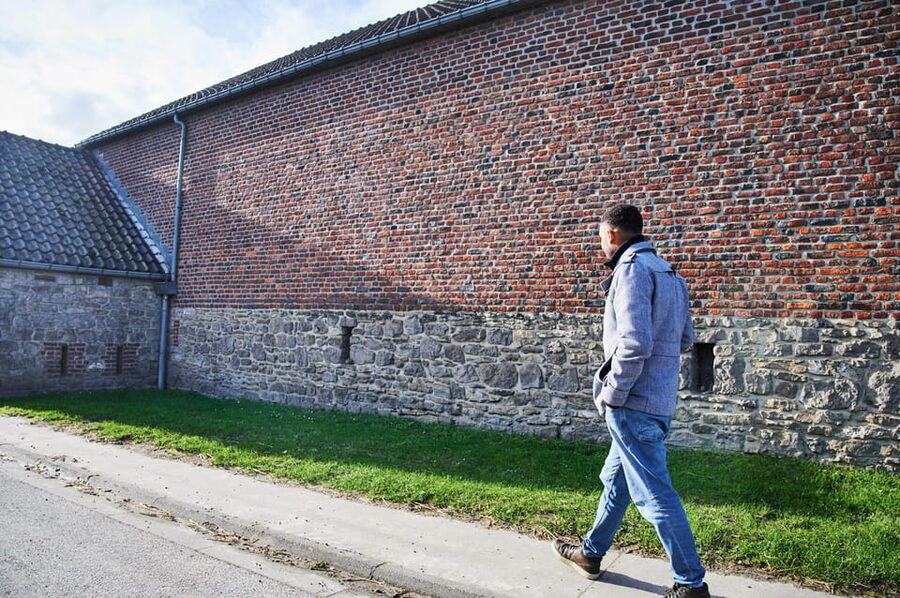
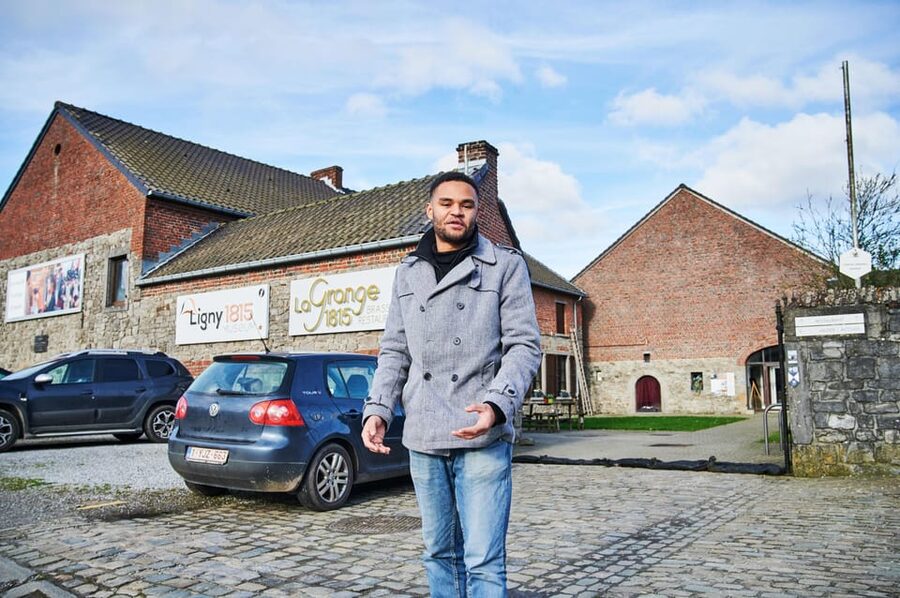
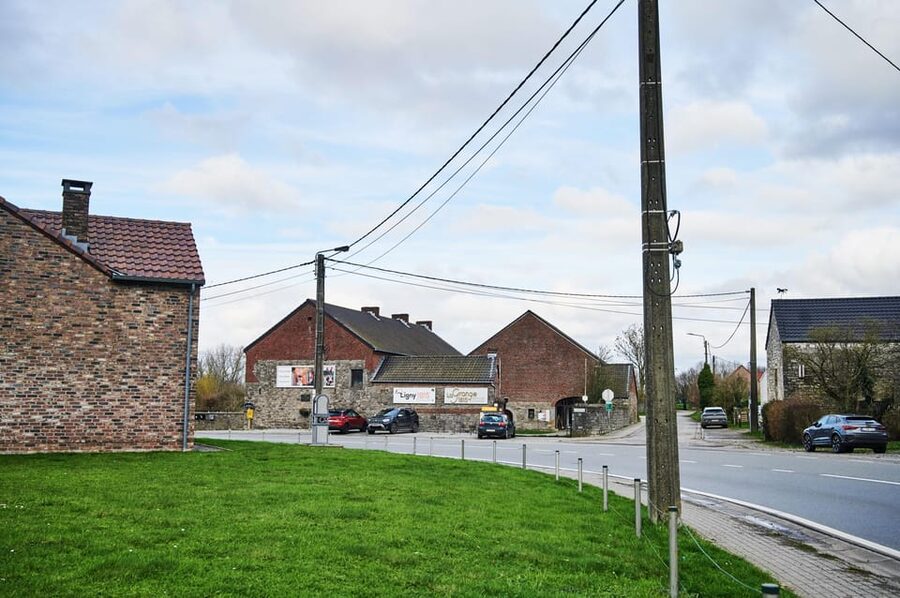
The first formal stop is Ligny, with about 45 minutes of guided touring. This is where Napoleon defeated the Prussian army, giving him his last battlefield victory.
Ligny is less famous than Waterloo, and that is part of its appeal. The setting helps you understand that the campaign was not one grand event centered on a single monument. It was a series of movements and clashes across small villages and open ground. One account of the tour describes the scale of the Prussian losses at Ligny as startling when set against the small size of the place.
That contrast is useful. Standing in a quiet rural setting, you may find it easier to picture how quickly a major army could turn a village and its approaches into a deadly battlefield.
Forty-five minutes is enough for an orientation and a focused explanation, but it is not a long archaeological or museum visit. You should expect the guide to interpret the site rather than a full morning of exploring every position.
Quatre-Bras and the fight for the crossroads
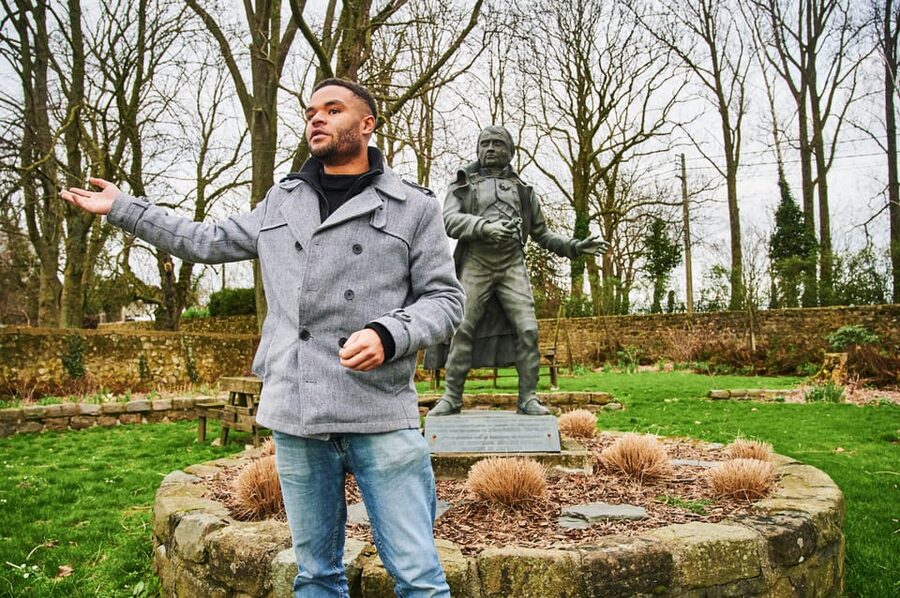
The next stop is Quatre-Bras, with about 30 minutes of guided touring.
The name means four arms, referring to the roads meeting at the crossroads. Control of this junction mattered because it affected movement between the French and British forces. The fighting here formed part of the wider attempt to keep Wellington’s army from joining the Prussians.
The short visit works best when your guide clearly explains direction, timing, and the relationship between this site and Ligny. Ask those questions if they do not come up. Who was trying to reach the crossroads? Which army needed time? How did the action affect the next stage of the campaign?
That kind of explanation is the difference between looking at a field and understanding why it mattered.
The 30-minute stop also shows one limitation of the schedule. This tour covers a large amount of ground in six hours, including driving and lunch. You will see the key places, but the time at each one is necessarily controlled. Visitors hoping to examine every monument or pause for long photography sessions may find the pace brisk.
Waterloo, where the campaign ended
The longest part of the day is the Waterloo visit, listed at about two hours and eight minutes. That gives you time for a more developed explanation of the battle and its setting.
Waterloo was fought on June 18, 1815, after Napoleon’s earlier actions had failed to separate his opponents. The French army faced Wellington’s British-led coalition force, while Prussian troops arrived during the battle. The result ended Napoleon’s military career and reshaped European politics.
The value of seeing Waterloo with a guide is not simply learning who won. You can ask the guide to place the major actions in sequence and explain how the armies used the ground. One strong guide, Eric, has been praised for connecting topography, timing, participants, and even the difficult weather conditions. That sort of explanation helps turn a confusing battle map into something you can follow.
The weather is an especially interesting part of the story. Heavy rain had left the ground difficult, and the eruption of a volcano months earlier contributed to unusual weather across Europe. You do not need to be a military specialist to appreciate how mud, visibility, roads, and delayed movement could affect decisions.
You may also discuss Hougoumont, one of the best-known positions in the battle. The fierce French focus on this farm complex remains one of the campaign’s most debated features. A good guide should explain why it mattered and why the French effort became so costly.
The Waterloo portion may include battlefield points and memorial areas, but the exact balance depends on the guide and the day. One important warning is worth making: a polished description of the route does not guarantee the same depth from every guide. One disappointing experience involved brief visits and limited explanation, with a free video at Hougoumont providing more useful information than the live commentary. That makes it sensible to ask questions early and say clearly what you want from the tour.
Same city, a completely different kind of day out:
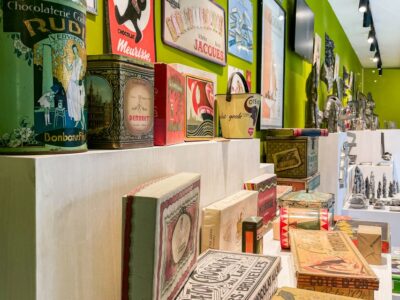
- Choco-Story Brussels: Chocolate Museum Entrance with Tasting
★ 4.3 · 4,883 reviews - Bruges and Ghent – Belgium’s Fairytale Cities – from Brussels
★ 4.0 · 4,809 reviews - Brussels: Hop-On Hop-Off Bus Tour
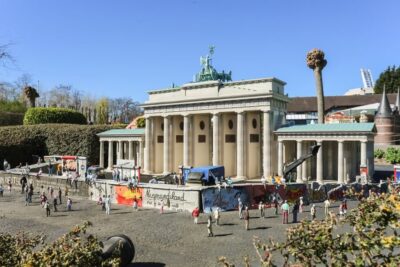
★ 4.0 · 4,016 reviews - Brussels: Entry Ticket to Mini-Europe
★ 4.5 · 2,870 reviews
Lion’s Hill and the Dutch memorial
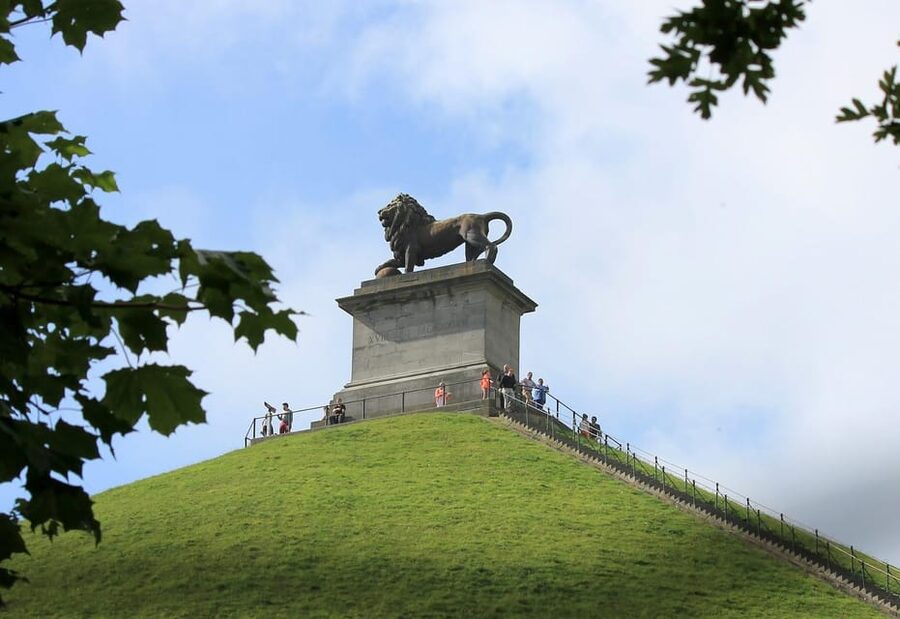
The final major stop is Lion’s Hill, the large mound built by the Dutch to mark the victory over Napoleon.
The monument is not just a scenic viewpoint. It reflects how the winning side chose to remember the battle. The site also connects to the Dutch prince who was wounded during the fighting, adding a personal detail to the wider military story.
From Lion’s Hill, the terrain becomes easier to read. You can look across the battlefield and connect the memorial, roads, positions, and nearby landmarks to the story your guide has been explaining. That physical view is one of the strongest reasons to choose this tour over a purely indoor history visit.
The length of the Waterloo stop gives you more room here than at Ligny or Quatre-Bras. Even so, ask what is included at the memorial site. The supplied information confirms a visit to Lion’s Hill but does not promise admission to every museum or attraction in the Waterloo area. If a particular exhibit matters to you, check before booking.
A one-hour lunch stop
The itinerary includes a one-hour stop at a local restaurant. Food is not included, so bring room in your budget for lunch.
This break gives you time to rest after several history-heavy stops, and a local restaurant is more comfortable than trying to eat in the vehicle. It also helps break up the driving. Drinks are included in the tour, but that does not cover the meal itself.
Allow some flexibility. A planned restaurant was once full, requiring the group to find another option and costing time. That is not unusual on a busy day, but it matters on a six-hour schedule. A delayed lunch can shorten time at a battlefield, so keep your expectations practical.
If food is important to you, ask how much control the guide has over the restaurant choice and what happens if the first place cannot seat the group. The tour promises a lunch stop, not a set menu or a guaranteed restaurant.
What the private format is worth
The $764 price per person needs careful thought.
You are paying for a private guide, private transport, hotel pickup and return, drinks, fees, battlefield visits, and a souvenir. For a group that values personal attention and does not want to arrange transport between rural sites, those inclusions add real convenience.
The cost is harder to justify for one person or for someone who only wants a quick look at Waterloo. You could spend less by visiting the main memorial area independently, though you would lose the linked route through Ligny and Quatre-Bras and the benefit of a private explanation.
This tour is strongest when several people in your party share the same interest. The private format lets you ask detailed questions, move at your group’s pace within the schedule, and avoid a large coach group. The value also depends heavily on the guide. Jeremie has received especially strong praise for explaining the full campaign, geography, timing, and participants. Eric has also been singled out for bringing the battle chronology into clearer context.
At the same time, the experience has not been equally strong for everyone. A pleasant guide may still lack the depth needed for a specialist history tour. That is the central risk at this price.
Languages, clothing, and the pace of the day
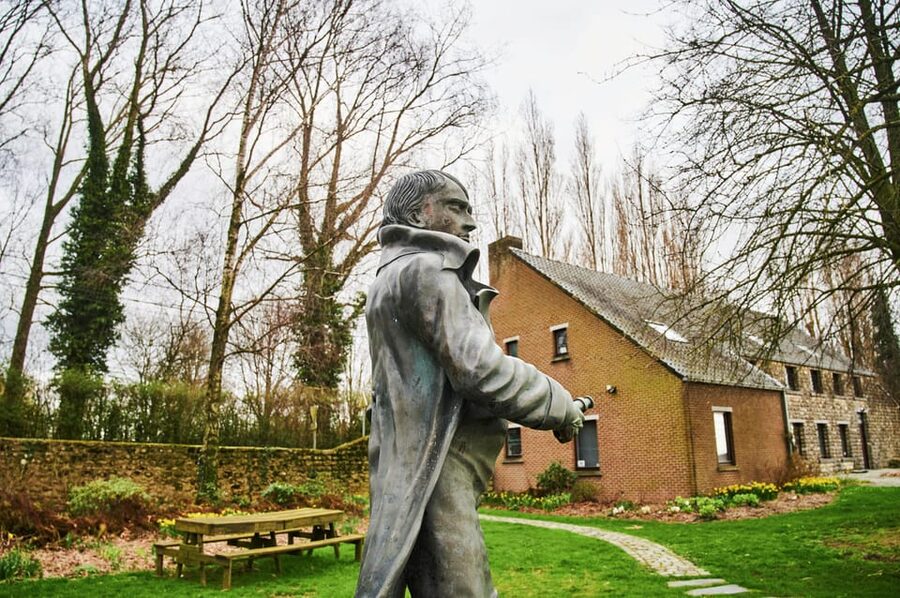
Guiding is offered in English or French. Confirm your preferred language when arranging the tour.
Wear comfortable shoes. The day involves battlefield sites and outdoor stops, and the tour specifically advises weather-appropriate clothing. Belgium can be damp and changeable, so a practical jacket is more useful than dressing for a polished city excursion.
The tour lasts six hours from Brussels and includes the return journey. The listed stop times add up to several hours, but driving between sites and the lunch break fill out the rest. You should expect a full half-day with a fair amount of sitting in the vehicle.
This is not a strenuous hiking tour, but it is not a purely seated museum visit either. Comfortable footwear gives you more freedom at the outdoor sites.
Who should book this Waterloo tour?
I would recommend it most strongly to:
- People with a serious interest in Napoleon or the Napoleonic Wars
- Small private groups who want a guide to themselves
- Visitors who want Ligny and Quatre-Bras included, not only Waterloo
- Anyone who values hotel pickup and private transport
- Guests comfortable paying for convenience and specialist guiding
I would be more cautious if you are mainly looking for a cheap day trip, have little interest in military history, or want extensive museum time. The schedule is focused on battlefield interpretation, not a broad tour of Wallonia.
You should also decide how much guide depth you need. If your interest is academic or highly specific, ask about the guide’s experience with the Waterloo campaign before committing. At this price, it is reasonable to make sure the commentary will match your expectations.
Should you book Napoleon’s Last Campaign in Belgium?
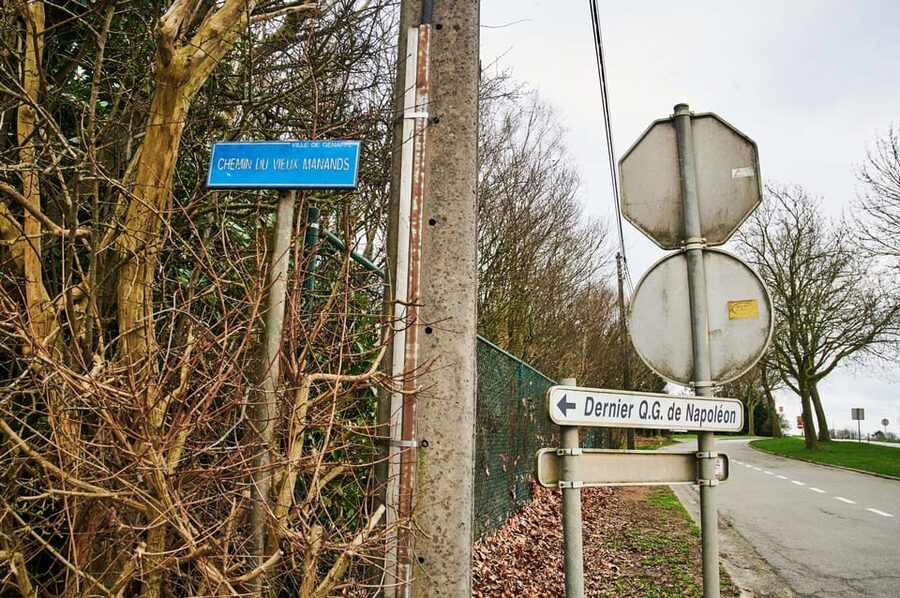
Book this tour if you want the campaign explained as a connected story, from Napoleon’s last victory at Ligny through Quatre-Bras to Waterloo. The private vehicle, hotel pickup, English or French guiding, drinks, and souvenir make the day easy to arrange, while the battlefield sequence gives the outing more substance than a single-stop Waterloo visit.
Think twice if $764 per person feels steep or if you need a guaranteed expert-level guide. The strongest experiences come when the guide explains the ground, timing, weather, and troop movements with care. The weakest point is the uneven depth that can result from the guide assigned.
For a history-minded group, I see real value in the route and private format. For a casual visitor, an independent visit to Waterloo may be the better buy.
FAQ
How long does the tour last?
The tour lasts six hours, including the visits, lunch stop, transportation, and return to Brussels.
Where does pickup take place?
Pickup is available from your hotel or accommodation in Brussels and surrounding areas. You should wait in the lobby 10 minutes before the scheduled pickup time.
Which battlefields are included?
The tour visits Ligny, Quatre-Bras, and Waterloo, followed by the Lion’s Hill memorial area.
Is lunch included in the price?
No. The tour includes a one-hour stop at a local restaurant, but you pay for your own food.
Is transportation included?
Yes. Private transportation from Brussels and the return journey are included.
What languages are available?
The live guide is available in English or French.
What does the tour price include besides guiding and transport?
The price includes drinks, fees, battlefield visits, and a souvenir. Food at the restaurant is not included.
Just added around Brussels
- Standard vehicle from Brussels airport to city of Antwerp★ 5.0 · 4 reviews
- Luxury Minivan from Brussels airport to the city of Brussels★ 4.0 · 7 reviews
- Transfer Brussels Airport (BRU) –> City Center 7 PAX (ONE WAY)★ 5.0 · 7 reviews
- Luxury vehicle from Brussels airport to the city of Brussels★ 4.0 · 5 reviews
- Transfer Brussels Airport –> Brussels MB V Class 7 PAX (ONE WAY)★ 5.0 · 4 reviews
- Transfer Brussels Airport –> City MB E Class 1-3 PAX (ONE WAY)★ 5.0 · 6 reviews
- PRIVATE MPV TRANSFER FROM/TO BRUSSELS AIRPORT (Max 6 pax) ONE-WAY★ 5.0 · 4 reviews
- Waterloo Private Battlegrounds Tour with Lion Hill★ 4.5 · 9 reviews
Brussels Tours, compared.

Atomium Entry Ticket with Design Museum Ticket
Read our review →

Choco-Story Brussels: Chocolate Museum Entrance with Tasting
Read our review →
Bruges and Ghent – Belgium’s Fairytale Cities – from Brussels
Read our review →

Hungry Mary’s Famous Beer and Chocolate Tour in Brussels
Read our review →Browse the lists this tour appears in