
Reviewed · MUSEUMS
Mons : the Mons Memorial Museum
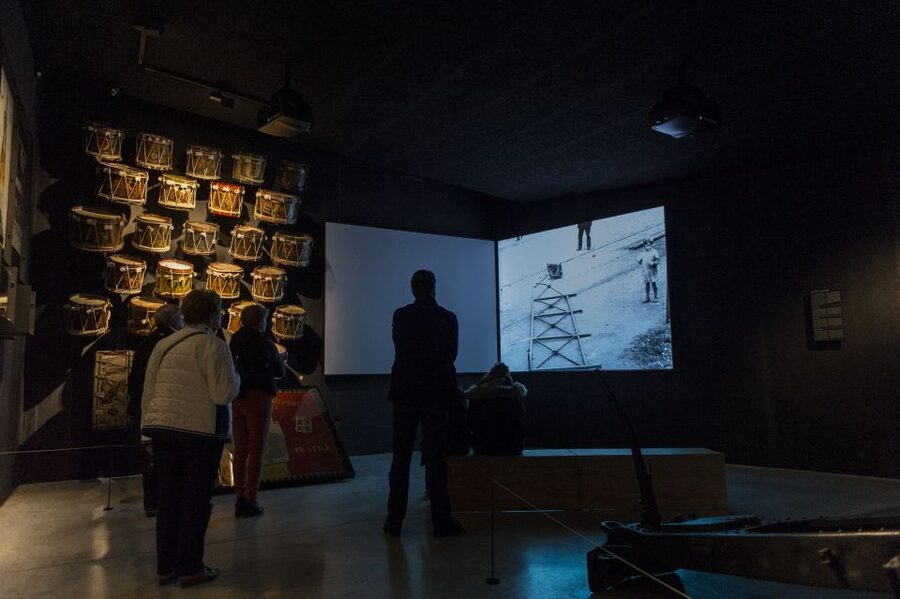
Mons Memorial Museum puts human lives ahead of battle dates. You move from medieval warfare to World War II, following soldiers far from home and civilians trying to live under occupation. A preserved piece of bread ration and a huge German bomb from 1917 make the subject startlingly physical.
I like the soldiers’ diaries, postcards, and letters, which turn military history into personal history. I also like the attention given to civilians, since war does not stop at the edge of a battlefield. The possible drawback is that the ticket covers museum entry only, with no guided tour or audio guide to explain every display.
- A preserved bread ration shows the plain, practical side of a soldier’s daily life.
- The first one-tonne German bomb from 1917 gives World War I a powerful physical presence.
- Civilian and military stories are placed side by side, including life during occupation.
- Veteran interviews add personal voices to the displays and documents.
- French, English, and Dutch support makes the museum accessible to a broad audience.
- A $11 ticket offers a full-day museum visit, though interpretation is self-guided.
Entering Mons Memorial Museum
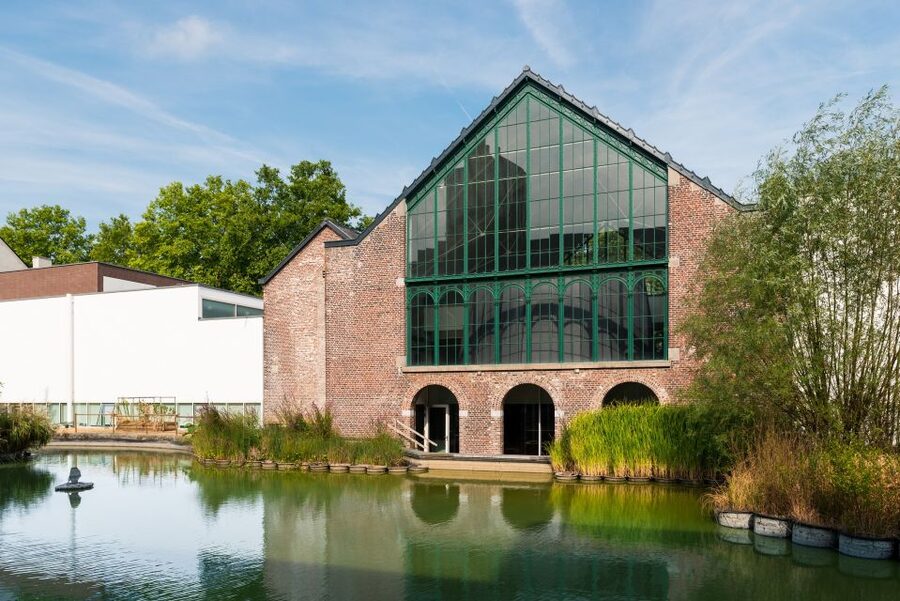
This is not a quick room of uniforms and medals. The museum asks you to think about what war does to people, communities, and the relationship between civilians and military forces.
The chronological span is wide. You begin with the Middle Ages and move through later conflicts until World War II. That long view matters because it shows that war is not one fixed event with one simple meaning. Weapons change, armies change, and political systems change, but daily fear, separation, hunger, and uncertainty remain familiar themes.
You should expect a serious visit rather than a light sightseeing stop. The material deals with combat, occupation, loss, and the pressure placed on ordinary people. Families with older children, history students, and anyone interested in the human side of conflict will get the most from the museum.
The museum is in Mons, Wallonia, and the entry price is about $11 per person. For a full day of access, that is a fair price, especially if you take time with the written material and recorded interviews. It is less useful for anyone hoping to race through a small collection in half an hour.
From medieval warfare to modern conflict
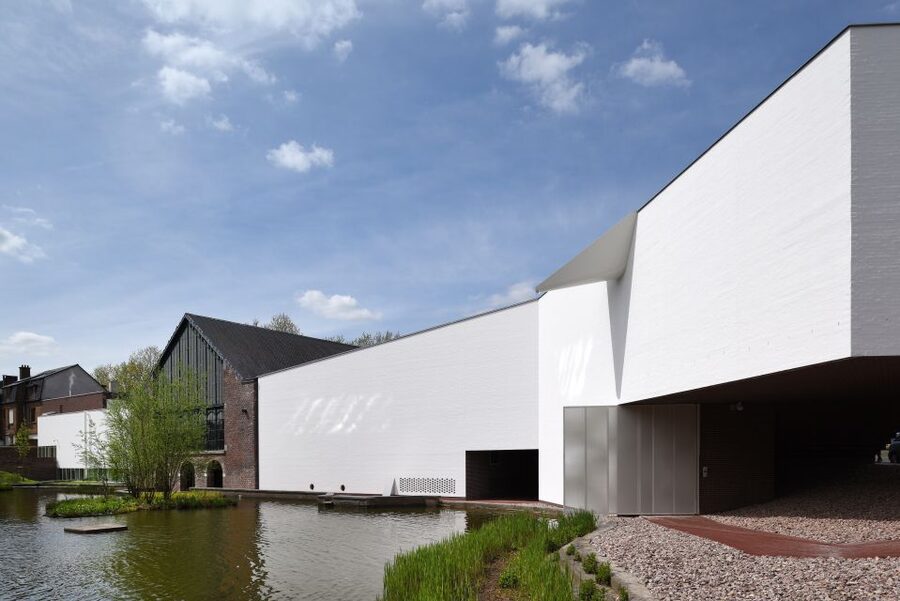
The opening historical section takes you back to the Middle Ages. This gives the museum a wider frame than a standard World War I collection, and it helps you see warfare as a long-running force in European life.
The medieval material is valuable because it shows the destructive effects of war before modern weapons transformed the battlefield. You can consider how conflict affected soldiers, towns, and noncombatants across different periods. The museum does not treat war as a parade of weapons alone. It asks who used them, who suffered from them, and how people carried on around them.
As you move forward in time, the displays connect military action with ordinary life. A weapon is never only a technical object here. It also raises questions about the person who carried it, the person who faced it, and the people living nearby.
That approach helps if you are not already familiar with European military history. You do not need to arrive with a list of dates in your head. The central ideas are clear: war changes daily routines, reshapes communities, and creates pressure for both soldiers and civilians.
More museums and galleries in Belgium:
- Brussels: Atomium Entry Ticket with Design Museum Ticket
★ 4.4 · 9,254 reviews - Choco-Story Brussels: Chocolate Museum Entrance with Tasting
★ 4.3 · 4,883 reviews - Bruges: Choco-Story Chocolate Museum Guided Tour w/Tastings
★ 4.2 · 1,379 reviews
The soldier’s day, told through small objects
The most effective displays focus on ordinary details. A piece of soldier’s bread ration preserved in a bottle may sound modest, but that is precisely why it works. Food, correspondence, clothing, and personal records bring military service down to a human scale.
You can think about the practical problems facing a soldier who was far from home. What did he eat? How did he keep in touch? What did he write down when formal reports could not express what he felt? These questions give the military story an intimate edge.
The diaries, postcards, and letters are especially important. A battlefield map can show movement, but a letter can show worry, affection, boredom, or hope. The collection of messages to sweethearts back home helps explain what separation meant for both the person serving and the person waiting.
I would allow extra time for reading. The written material is not decoration around the larger objects. It is one of the main reasons to visit. If you rush, you will see the displays but miss much of their emotional force.
The museum also presents the men who wielded the weapons, rather than treating weapons as objects with a life of their own. That keeps the focus on decisions and consequences. The approach is useful for anyone who finds military museums too focused on machinery.
Civilians living through war and occupation
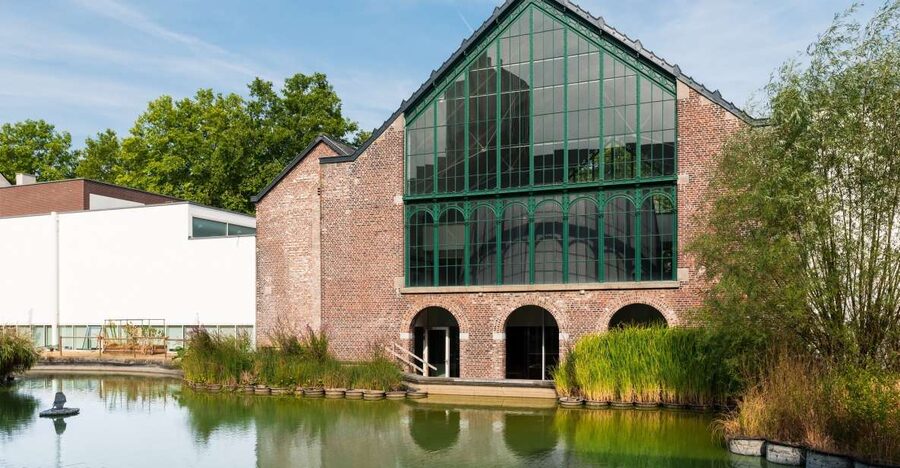
The museum gives civilians a clear place in the story. That is one of its strongest features.
War affects more than armies. It changes access to food, movement, work, safety, and news. Occupation adds another layer of pressure, since civilians must live under rules imposed by a military power. The museum encourages you to consider these realities alongside the experience of the soldier.
This civilian focus also makes the museum suitable for people who do not usually seek out military collections. You can come for family history, local history, or an interest in wartime society and still find plenty to consider.
The displays ask fundamental questions about civilian and military populations. That wording may sound academic, but the idea is practical: Who makes decisions during war? Who pays the cost? How much control do ordinary people have when armies take over public life?
I like this balance because it avoids presenting war as a contest between uniforms. The civilian story gives the displays a wider moral and social reach. It also helps explain why a conflict continues to matter long after the fighting ends.
World War I objects with real weight
The World War I material includes objects that make the scale of industrial warfare easier to grasp. The first one-tonne German bomb from 1917 is the most striking example.
Its size gives you a direct sense of the destructive power being brought to bear. It is not simply a small shell or a distant statistic. You are looking at an object designed to carry enormous force, and that makes the technology of war feel immediate.
The preserved bread ration works in the opposite way. The bomb is massive and destructive. The bread is small, practical, and tied to survival. Together, these objects show two ends of wartime life: the machinery of attack and the daily need to eat.
This pairing is one reason I would not judge the museum by the number of large artifacts alone. The smaller items often say as much as the dramatic ones. They show how war was experienced hour after hour, not only during major offensives.
The museum’s weapons displays also help you follow changes in military technology. The key point is not just identifying each weapon. It is understanding what new weapons meant for the people who used them and for civilians living within range.
Same city, a completely different kind of day out:
- From Brussels: Guided Day Trip to Bruges and Ghent
★ 4.6 · 8,353 reviews - From Brussels: Bruges & Ghent Day Tour – 2 Fairytale Cities
★ 4.7 · 8,242 reviews - Ghent: 50-Minute Medieval Center Guided Boat Trip
★ 4.5 · 5,637 reviews - Bruges and Ghent – Belgium’s Fairytale Cities – from Brussels
★ 4.0 · 4,809 reviews
Veteran voices and the closing displays
The final part of the visit brings in recorded interviews with veterans. These voices give the museum a human finish after the long historical progression from medieval warfare through World War II.
Recorded testimony can be more demanding than a written label. You have to listen, absorb the speaker’s tone, and think about what memory adds to a historical account. The interviews are worth saving time for, rather than treating them as an optional extra at the end.
The letters and diaries near this section deepen that effect. They connect memory after the conflict with feelings recorded during it. A veteran interview may tell you how an event was remembered years later, while a wartime letter can show what the person understood in the moment.
There is also a temporary exhibition by Didier Mahieu that has been described as particularly moving. Since temporary displays can change, check what is showing when you book. If Mahieu’s exhibition is still on view, it may add another emotional layer to the permanent collection.
The museum’s staff have also received warm praise for being extremely kind. That matters in a place dealing with difficult subjects. Friendly help at the front desk can make the visit easier, especially if you need assistance with the ticket or language.
Language, pacing, and what is not included
The listed languages are French, English, and Dutch. That gives you a useful choice in Wallonia, but the ticket does not include an audio guide or guided tour.
You should plan to read the displays at your own pace. If you prefer a guide to explain context, connect objects, and answer questions, this ticket may feel limited. If you like stopping where you want and spending ten minutes with one letter, the self-guided format gives you more freedom.
The activity lists a host or greeter in French, English, and Dutch. That should help with basic arrival questions, but do not assume that a personal guide will accompany you through the museum.
The booking information asks you to arrive during the time slot you choose. Your entrance ticket is sent by email and should be shown at the museum reception. Keep it easy to find on your phone before arrival.
The museum is wheelchair accessible, which is useful for anyone planning a longer visit. A full day is listed as the duration, but that does not mean you must spend every hour inside. It means you have room to set your own pace and avoid rushing the documents.
Who gets the best value from the $11 ticket
At around $11, the entry fee is good value if you enjoy museums that ask questions rather than simply display objects. The broad time span, personal papers, veteran interviews, and large World War I artifacts give you several different ways into the subject.
I would recommend it most strongly to:
- People interested in World War I and World War II
- Anyone researching family members who lived through war or occupation
- Visitors who prefer social history to military hardware alone
- Older children and teenagers studying conflict, provided they are comfortable with serious material
- People who can read at a steady pace and want time with diaries and letters
- Visitors spending a day in Mons who want an indoor cultural stop
It may be less suitable if you want an entertaining attraction, a short photo stop, or a fully guided tour. The material is thoughtful and sometimes emotional. The lack of an audio guide also means you must rely on the written displays and your own attention.
The published rating is 3.9 from seven ratings, so the feedback is positive but not based on a large sample. The clearest praise centers on the museum being little known, the kindness of the staff, and the emotional effect of the exhibitions. Those are good reasons to visit, but they should not replace your own expectations: this is a serious historical museum, not a casual attraction.
Practical tips for a better visit
Book a time slot that leaves you unhurried. The ticket is not expensive, but the museum rewards patience.
Read the personal documents instead of focusing only on the large objects. The letters, postcards, and diaries are where the daily experience of war becomes clearest.
Save the veteran interviews for a calm part of your visit. If you watch them while rushing toward the exit, you will lose much of their value.
If you are visiting with children, explain beforehand that the museum covers war, occupation, and human suffering. The displays can support a strong history lesson, but they are not designed as simple entertainment.
Bring your ticket email to reception and arrive within the selected time period. Since no guided or audio tour is included, consider reading a little about the period beforehand if you want more background.
Should you book Mons Memorial Museum?
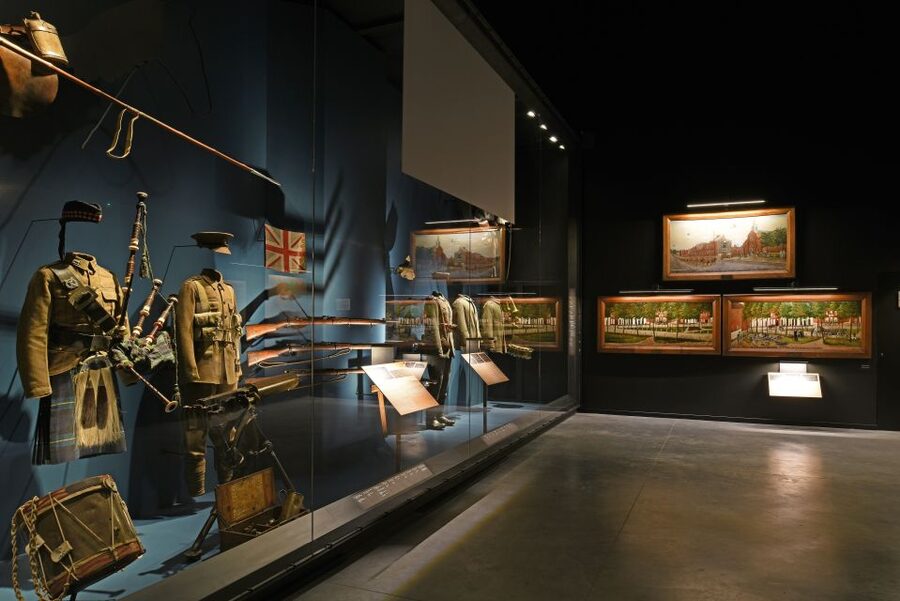
Book it if you want to understand war through people as well as weapons. The one-tonne German bomb will catch your eye, but the preserved bread, letters, diaries, civilian accounts, and veteran interviews are what give the museum its lasting value.
Skip it if you need a guide to lead every step or prefer a quick, light attraction. For everyone else, the $11 ticket is a sensible buy, particularly when you can give the museum several hours and take the written material seriously.
FAQ
Where is Mons Memorial Museum located?
It is located in Mons, in Wallonia, Belgium.
How much does museum entry cost?
The listed price is $11 per person.
How long does the ticket last?
The activity is listed with a duration of one day. You should check availability for the starting times and attend during the time slot you choose.
Is a guided tour included?
No. The entry ticket includes museum admission only. A guided tour and an audio guide are not included.
Which languages are available?
French, English, and Dutch are listed for the host or greeter and museum activity information.
What historical periods does the museum cover?
The museum begins with the Middle Ages and continues through World War I and World War II.
What objects can I expect to see?
Displays include weapons from different periods, a preserved piece of soldier’s bread ration, the first one-tonne German bomb from 1917, soldiers’ diaries, postcards, and letters.
Is the museum wheelchair accessible?
Yes. The activity information states that the museum is wheelchair accessible.
Just added around Belgium
- Standard vehicle from Brussels airport to city of Antwerp★ 5.0 · 4 reviews
- Visit of Bruges in 1 day private tour from Paris★ 5.0 · 3 reviews
- Luxury Minivan from Brussels airport to the city of Brussels★ 4.0 · 7 reviews
- Transfer Brussels Airport (BRU) –> City Center 7 PAX (ONE WAY)★ 5.0 · 7 reviews
- Luxury vehicle from Brussels airport to the city of Brussels★ 4.0 · 5 reviews
- Transfer Brussels Airport –> Brussels MB V Class 7 PAX (ONE WAY)★ 5.0 · 4 reviews
- Transfer Brussels Airport –> City MB E Class 1-3 PAX (ONE WAY)★ 5.0 · 6 reviews
- PRIVATE MPV TRANSFER FROM/TO BRUSSELS AIRPORT (Max 6 pax) ONE-WAY★ 5.0 · 4 reviews
Museums, compared.

Atomium Entry Ticket with Design Museum Ticket
Read our review →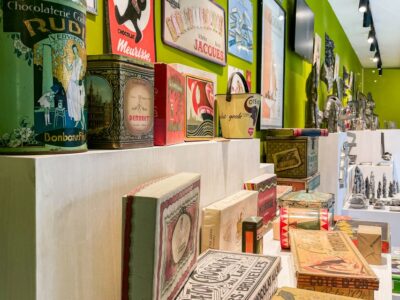
Choco-Story Brussels: Chocolate Museum Entrance with Tasting
Read our review →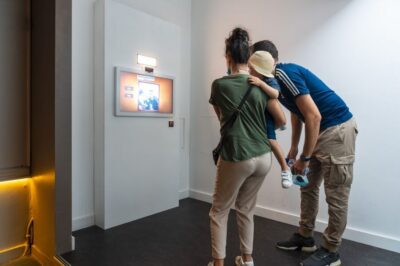
Choco-Story Chocolate Museum Guided Tour w/Tastings
Read our review →
2.5-Hour Chocolate Museum Visit with Workshop
Read our review →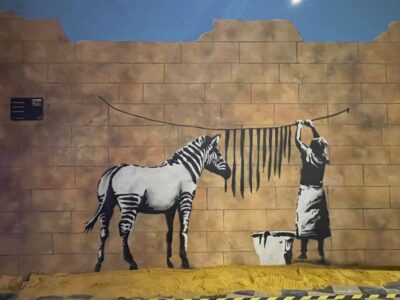
The World of Banksy Museum Permanent Exhibition
Read our review →
Chocolate Making Workshop and Chocolate Museum Entry
Read our review →Browse the lists this tour appears in