
Reviewed · MUSEUMS
Brussels: BELvue Belgium History Museum Entry Ticket
Belgium can feel small on a map, yet its story is packed with political arguments, language struggles, social change, and European influence. BELvue Museum makes that story manageable through seven themes, from democracy and prosperity to migration and Europe, with videos, charts, news clips, and personal testimony.
I like the clear thematic layout and the unusual object collection. A coffee filter, electric fryer, Val Saint-Lambert crystal vase, and football signed by the Red Devils can say as much about daily life as a formal document. I also like having a free audio guide on your own phone, in five listed languages: Dutch, English, French, German, and Italian.
The main caution is pace. There is a lot to look at, and the displays may feel crowded if you try to read every panel and watch every video. Give yourself time, but do not feel obliged to study every item.
Key points at a glance
- Seven rooms explain modern Belgium: Follow democracy, prosperity, solidarity, pluralism, migration, language, and Europe.
- The collection uses everyday objects: See items such as coffee filters, electric fryers, crystal vases, and a signed Red Devils football.
- The audio guide is free: Download it to your own mobile phone in Dutch, English, French, German, or Italian.
- The museum suits different groups: Visit alone, with friends, or with children, with material that ranges from social policy to football.
- The Royal Palace provides an easy landmark: The entrance is next to the palace in central Brussels.
- The price is modest: At $11 per person, the ticket offers a useful indoor history stop without taking an entire day.
Starting beside Brussels’ Royal Palace
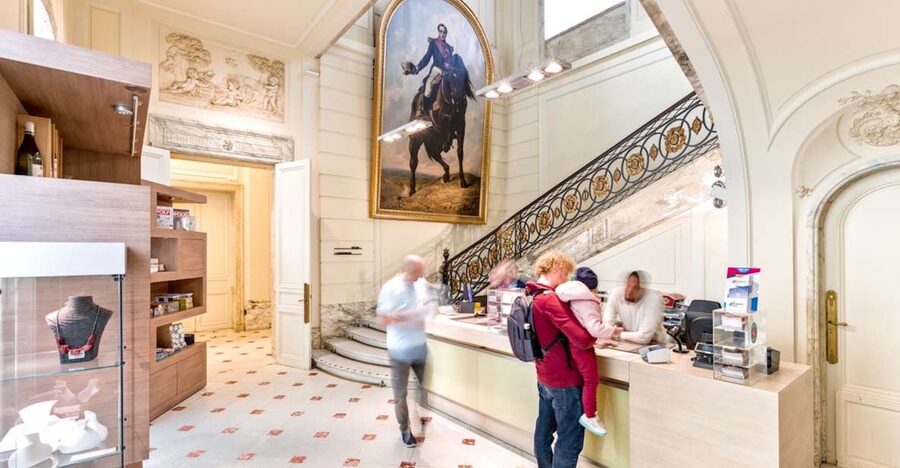
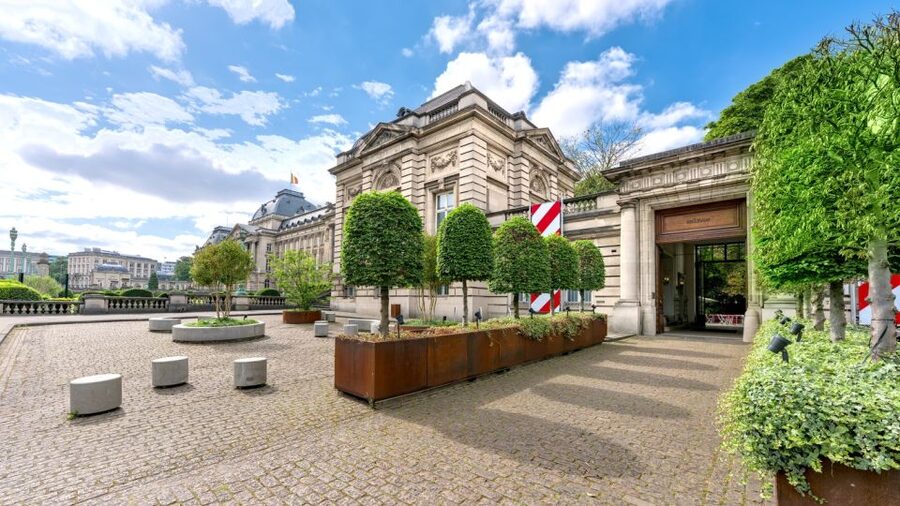
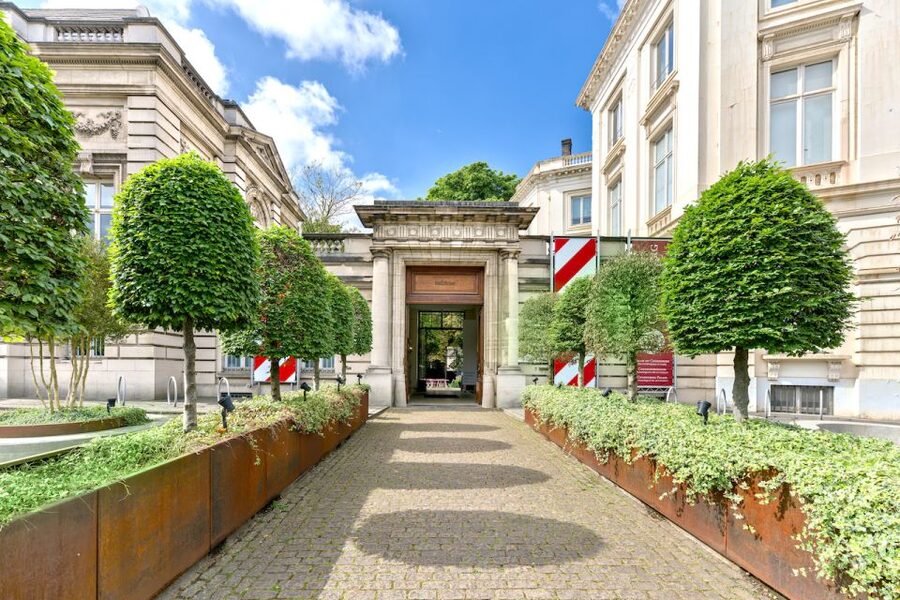
BELvue Museum is next to the Royal Palace, so the meeting point is simple to recognize. You do not need a separate hotel transfer or a private guide. This is a self-guided museum visit, and your ticket is valid for one day.
That location makes BELvue easy to pair with other central Brussels sights. The museum can work as a planned history stop, or as a useful indoor break when you want something more focused than another square, church, or street view. Since the entrance is beside a major landmark, it is also a practical choice for first-time visitors still getting their bearings.
You receive a visitor information booklet, and the downloadable audio guide gives you another way to move through the displays. I would download or prepare the guide before entering if your phone connection is uncertain. The museum does not provide a named personal guide, so you control the order, speed, and amount of detail.
More Historical Tours in Brussels
- Brussels: Historical Walking Tour with Chocolate & Waffle Tasting
★ 5.0 · 1,165 reviews - Tell Me About Brussels! | First Day Must-Do | Local Storytellers
★ 5.0 · 649 reviews - Brussels: Historical Tour with Chocolate & Waffle Tasting
★ 4.8 · 642 reviews
Seven rooms that explain a complicated country
The museum organizes the visit around seven subjects rather than one long date-by-date story. That choice matters because Belgium’s past is tied closely to current questions: who has political power, how wealth is shared, how communities live together, and how language shapes public life.
Democracy
The democracy section helps frame Belgium as a country built through political change and negotiation. Expect displays that use news clips, posters, charts, and graphs rather than relying only on long blocks of text.
This is a good place to slow down with the audio guide. The material is likely to work best when you connect the visual evidence to the wider themes that return later in the museum. If you prefer old buildings and famous portraits, this room may feel more social and political than traditional.
Prosperity
Prosperity turns attention toward the way Belgium developed materially. The museum’s object gallery adds weight here. Familiar household items can show how people lived, cooked, cleaned, traveled, and consumed.
I like this approach because an everyday object is easy to understand. You do not need specialist knowledge to appreciate an electric fryer or a coffee filter. These items offer a direct link between national history and ordinary routines.
More Museums in Brussels
- Brussels: Atomium Entry Ticket with Design Museum Ticket
★ 4.4 · 9,254 reviews - Choco-Story Brussels: Chocolate Museum Entrance with Tasting
★ 4.3 · 4,883 reviews - Brussels: 2.5-Hour Chocolate Museum Visit with Workshop
★ 4.6 · 1,263 reviews - Brussels: The World of Banksy Museum Permanent Exhibition
★ 4.7 · 636 reviews
Solidarity
The solidarity section focuses on the idea of social support and the systems that help people manage risk. Videos and charts help explain social security, one of the subjects specifically highlighted in the visit.
This part may be especially useful if you want more than a quick national overview. Social security is not as visually obvious as a palace or painting, but it helps explain how Belgian society works. Plan to listen rather than simply glance at the displays, since the value here is in the connections between policy and daily life.
Pluralism
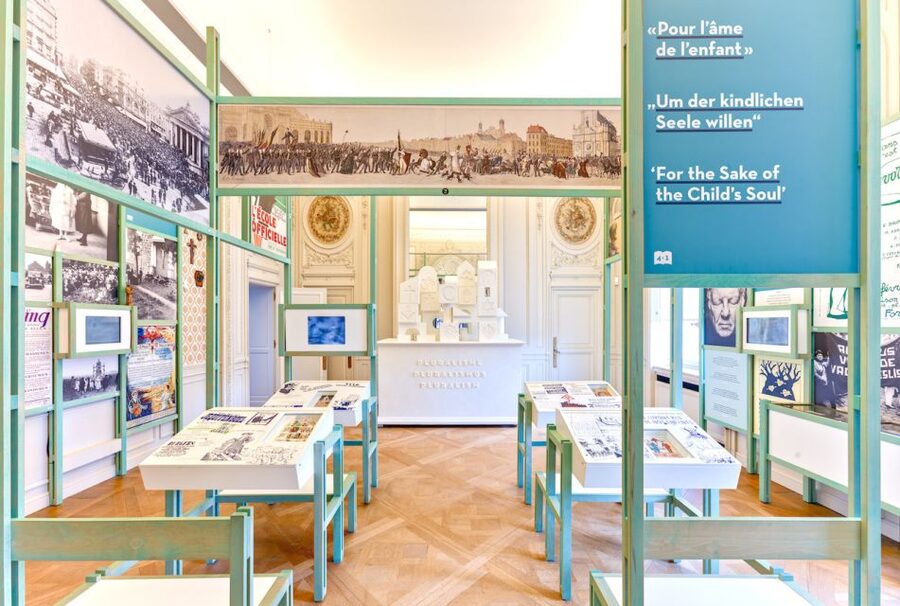
Pluralism looks at the many groups and viewpoints that share Belgian society. The word can sound abstract, but the museum brings it closer through testimony and visual material.
For families, this section can prompt useful questions about how a country handles difference. For adults, it provides a bridge between past events and present-day public life. The museum does not treat Belgium as a single, simple identity. That is one of its strengths, though it also means the visit asks you to think rather than just admire objects.
Migration
Migration is another subject that links national history to present experience. Contemporary testimonies give the section a human voice, while news material shows how the subject has entered public debate.
I would not rush through this room. The museum’s mix of personal accounts and wider information helps keep migration from becoming just a set of figures or political slogans. At the same time, the amount of material may feel heavy if you are trying to finish the entire museum quickly.
Language
Belgium’s spoken languages are central to understanding the country, and the museum gives the subject a dedicated section. Videos explain the language situation, making this a useful stop even if you know only the basics about Belgium.
Expect this part to reward careful listening. Language is not presented as a minor cultural detail. It affects identity, politics, and how different communities relate to one another. The guide can help if you are unfamiliar with the Belgian context.
Europe
The final theme places Belgium within the wider European project. This is a fitting close because the country’s story is not only national. Belgium also functions as part of a larger political and social network.
The Europe room helps you connect the museum’s earlier themes to a broader setting. Democracy, prosperity, solidarity, migration, and language do not stop at the national border. If you are interested in how Belgium fits into Europe, this section gives the visit a useful final frame.
News clips, charts, and personal testimony
BELvue does not depend on one type of display. You may move from a news clip to a poster, then to a graph or a recorded contemporary account. That mixture keeps the visit from feeling like a row of silent cases.
The benefit is variety. You can see how an issue was presented in public, check its wider context in a chart, and then hear a personal perspective. This gives the museum a present-day feel and helps explain why the themes still matter.
The downside is visual competition. One person who visited mainly for a companion found the museum attractive but long, with so much placed around the rooms that it was hard to know where to look. I think that is fair advice. Do not try to absorb everything. Choose the themes that interest you most, then use the guide to add context.
The gallery of more than 200 Belgian objects
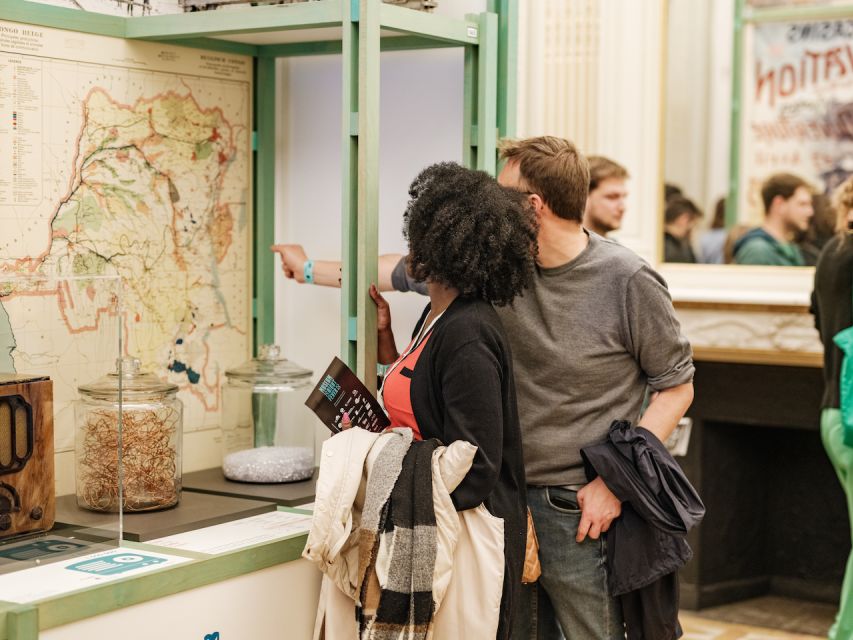
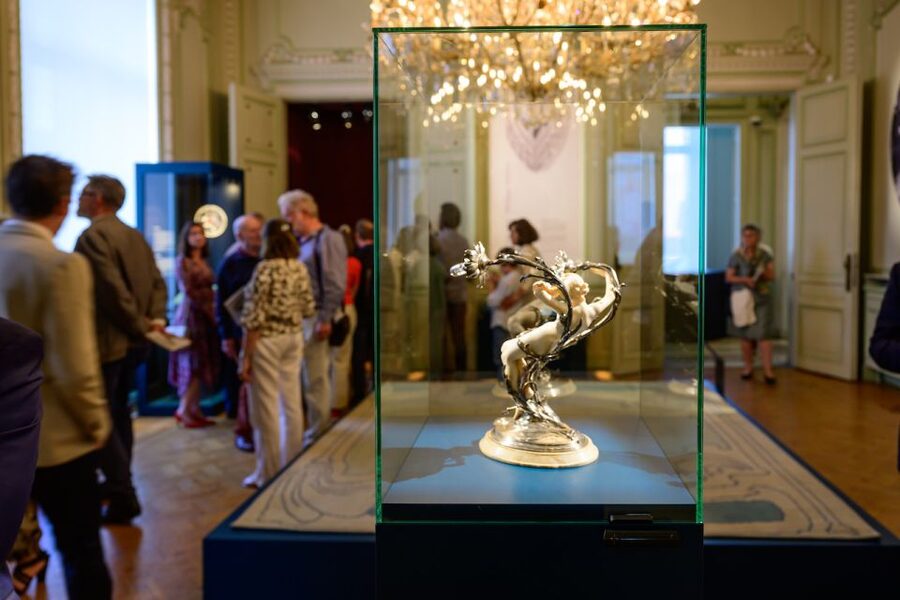
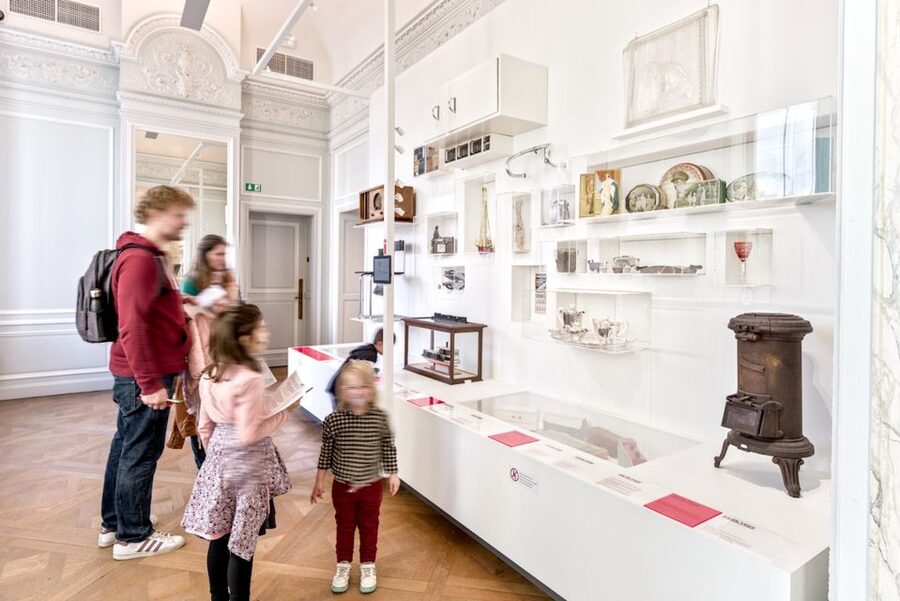
The gallery is one of the most distinctive parts of the visit. More than 200 objects represent the material memory of Belgium, including practical household goods, decorative objects, and symbols of popular culture.
The collection has a deliberately Belgian flavor. You might find coffee filters, an electric fryer, or a Val Saint-Lambert crystal vase. These are not grand historical relics, but they show how national identity can appear in kitchens, homes, design, and daily habits.
Football fans get a clear highlight: a ball signed by the Red Devils. It is a small detail, but it gives the collection a lighter touch and helps children connect with the museum. You do not have to be interested in politics to find something familiar here.
The gallery also makes the visit more accessible for people who are not regular museumgoers. A formal document may require background knowledge. A household object does not. You can begin with what you recognize, then work outward toward the larger story.
Using the audio guide without rushing
The audio guide is free and downloadable to your own mobile phone. It is listed in Dutch, English, French, German, and Italian, giving most international visitors a practical way to follow the main ideas.
I suggest using the guide selectively. Listen to the introduction and the sections that interest you most. If you play every item while also reading every label, the visit can become tiring, especially in rooms with several types of media.
Your own phone also gives you control. You can pause, replay, or move ahead instead of keeping pace with a group. That makes the museum suitable for solo visits and for groups with different interests. Parents can spend longer with objects and football, while adults focus on language, social security, or migration.
There is no personal guide included, so you should not expect a scheduled talk or a tailored explanation. The experience is independent, which is a plus if you dislike fixed tours, but less suitable if you want someone to answer questions as you go.
How long to stay and how to pace the visit
The ticket is valid for one day, but that does not mean you need to spend a full day inside. The stated duration gives you plenty of flexibility, and the museum’s amount of material makes it wise to set your own limit.
For a focused visit, choose the seven themes as your main route and spend extra time in the gallery. If you read every panel, watch the videos, and listen to the full guide, expect the visit to feel long. The museum contains enough material for a slower stay, but you can also make it a shorter stop beside the Royal Palace.
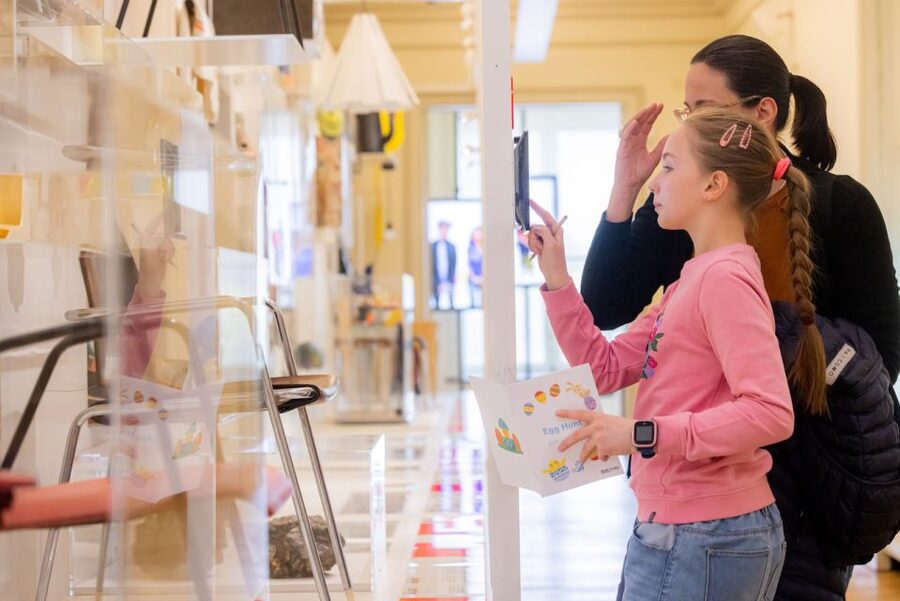
I would allow extra time if you are visiting with children. The object gallery and football item offer easy entry points, while the political and social rooms may need a lighter approach. You can talk about one object or video instead of asking children to read everything.
The museum also works for mixed groups. Someone who does not usually choose history museums can focus on the objects and design, while a keen history fan spends more time with the social and political displays.
Is $11 a fair price?
At $11 per person, BELvue offers good value for a central Brussels museum visit. The price includes entry, a visitor information booklet, and the downloadable audio guide. You are not paying extra for a group guide, hotel transport, or a special event, but none of those are needed for this self-guided format.
The value is strongest if you want context. A quick look at Belgium’s famous sights can leave you with attractive buildings but little sense of how the country works. BELvue adds explanations about language, social security, political life, migration, and Europe.
The price may feel less worthwhile if you dislike displays with charts, news clips, and written information. This is not an amusement attraction or a room of only famous art. It asks you to pay attention. The object gallery softens that approach, but the museum remains an educational visit.
A rating of 4.6 from 27 bookings points to a strong response overall, with especially warm reactions to the exhibition as a way to understand Belgium. One French-speaking visitor found it a worthwhile place to discover the country, while another found the amount of material long and visually busy. Both reactions point to the same practical lesson: choose your focus before you enter.
Access, languages, and simple planning details
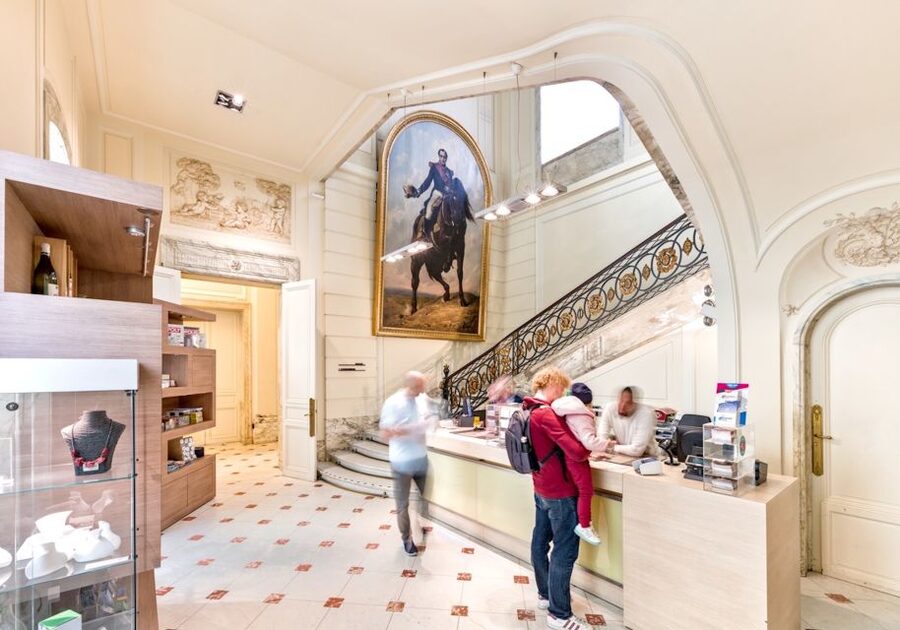
The museum is wheelchair accessible. If you plan to arrive with a wheelchair, contact the museum in advance so staff can make the right preparations. That is worth doing rather than assuming every arrangement will be automatic.
Assistance dogs are allowed, but other pets are not. The audio guide language options are Dutch, English, French, German, and Italian. A guide is not included, and hotel pickup and drop-off are not part of the experience.
You can cancel up to 24 hours before the visit for a full refund, and the reserve-now, pay-later option lets you hold a place without paying at once. Check the available starting times when booking, since the ticket is valid for one day but availability still applies.
Who should book BELvue Museum?
I recommend BELvue if you want a clear introduction to Belgium beyond chocolate, beer, waffles, and grand architecture. It is particularly useful for first-time visitors who want to understand the country’s language divisions, social systems, and place in Europe.
It also suits families and mixed groups because the object gallery gives the visit a concrete, less formal side. Solo visitors will appreciate the freedom to use the audio guide at their own pace.
I would hesitate only if you want a short, highly visual museum with little reading. The displays can feel dense, and there is enough material to make the visit seem long. Book it if you are willing to choose a few themes and let the rest wait. At $11, it is a practical way to give Brussels more meaning, not just more photographs.
FAQ
Where is BELvue Museum located?
The entrance is next to the Royal Palace in Brussels’ Capital Region.
How much does the museum ticket cost?
The listed price is $11 per person.
How long is the ticket valid?
The ticket is valid for one day.
Is an audio guide included?
Yes. A free downloadable audio guide is included. The listed languages are Dutch, English, French, German, and Italian.
Is the museum wheelchair accessible?
Yes, the museum is wheelchair accessible. If you will arrive with a wheelchair, notify the museum in advance so staff can make the right preparations.
Are pets allowed inside?
Pets are not allowed. Assistance dogs are permitted.
Just added around Brussels
- Standard vehicle from Brussels airport to city of Antwerp★ 5.0 · 4 reviews
- Luxury Minivan from Brussels airport to the city of Brussels★ 4.0 · 7 reviews
- Transfer Brussels Airport (BRU) –> City Center 7 PAX (ONE WAY)★ 5.0 · 7 reviews
- Luxury vehicle from Brussels airport to the city of Brussels★ 4.0 · 5 reviews
- PRIVATE MPV TRANSFER FROM/TO BRUSSELS AIRPORT (Max 6 pax) ONE-WAY★ 5.0 · 4 reviews
- Transfer Brussels Airport –> Brussels MB V Class 7 PAX (ONE WAY)★ 5.0 · 4 reviews
- Transfer Brussels Airport –> City MB E Class 1-3 PAX (ONE WAY)★ 5.0 · 6 reviews
- Waterloo Private Battlegrounds Tour with Lion Hill★ 4.5 · 9 reviews
Museums, compared.

Atomium Entry Ticket with Design Museum Ticket
Read our review →
Choco-Story Brussels: Chocolate Museum Entrance with Tasting
Read our review →
Choco-Story Chocolate Museum Guided Tour w/Tastings
Read our review →
2.5-Hour Chocolate Museum Visit with Workshop
Read our review →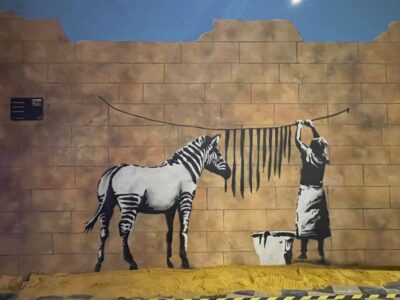
The World of Banksy Museum Permanent Exhibition
Read our review →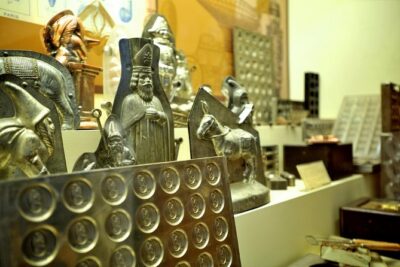
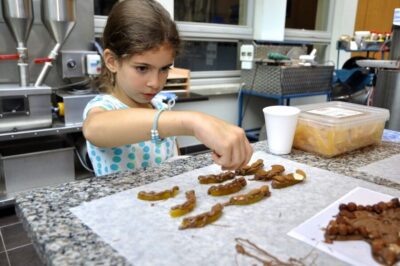
Chocolate Making Workshop and Chocolate Museum Entry
Read our review →Browse the lists this tour appears in