
Reviewed · MUSEUMS
Brussels: Museum Art & History Entry Ticket
The most surprising thing here is the range. In one visit, you can stand before Egyptian mummies, study a model of ancient Rome, pass Asian Buddhas, and finish with early-20th-century Belgian design. I like the world-spanning collection and the freedom to visit at your own pace. I also like that the museum sits beside Cinquantenaire Park, giving you an easy place for a picnic afterward.
The main drawback is its size. A full day is possible, but the sheer number of rooms can wear you down, especially if you try to see every object. Also check whether you already have a Brussels museum pass: one booking showed a visitor paying €8 unnecessarily because admission was already covered.
Key points to know before you go
- Ancient Rome has a full-scale sense of drama: The model of Roma gives you a useful picture of the imperial city.
- Egypt is a major stop: Mummies and funerary objects give this section a strong pull for both adults and children.
- Belgian archaeology fills in the local story: Prehistory and national collections connect the museum to the country outside Brussels.
- The Asian galleries change the mood: Chinese, Indian, and other Asian works provide a clear contrast with European art.
- Cinquantenaire Park is part of the plan: Bring food or pick something up elsewhere for an easy picnic after your visit.
- The ticket is flexible: Admission lasts one day, skips the ticket line, and can be canceled up to 24 hours before the visit.
Start with the building at Cinquantenaire
The Royal Museum of Art and History occupies a grand classical building at Parc du Cinquantenaire. That setting matters. You are not entering a small specialist gallery, but a large museum designed for long walks through time and across continents.
Take care at the entrance. It is not beside Autoworld, even though the two museums are in the same general complex. You need to walk around the corner to the other side of the building and follow the signs. This is a small detail, but it can save you from circling the park with a timed sightseeing plan.
The museum is wheelchair accessible, which makes the broad collection easier to plan for visitors with mobility needs. Flash photography is not allowed, so keep your camera ready without using the flash.
There is no guide or guided group included with this ticket. You get entry for one day and set your own pace. That is a good fit if you prefer to stop for ten minutes at one object, move quickly through a section, or return to a favorite room later in the day.
More Historical Tours in Brussels
- Brussels: Historical Walking Tour with Chocolate & Waffle Tasting
★ 5.0 · 1,165 reviews - Tell Me About Brussels! | First Day Must-Do | Local Storytellers
★ 5.0 · 649 reviews - Brussels: Historical Tour with Chocolate & Waffle Tasting
★ 4.8 · 642 reviews
Begin with prehistory and the birth of human culture
The collection starts with archaeology from the birth of mankind and includes Belgium’s national archaeology. You can expect the early rooms to focus on prehistory and the development of human societies before moving into better-known ancient civilizations.
This opening gives the museum a useful local anchor. You are not simply looking at famous objects from faraway places. Belgium’s own past appears early in the visit, helping you connect the country’s modern identity with its archaeological record.
I would not rush these rooms, but I would also avoid spending all your energy here. The museum covers a great deal, and the Egyptian, Roman, Asian, and decorative arts sections offer some of the strongest visual rewards. Families may find the early human story easier to follow when children are encouraged to look for changes in tools, materials, and artistic style.
The national archaeology section is also a good choice for anyone who wants more than the standard Brussels highlights. It adds a sense of place to a museum that otherwise travels widely across Europe, Asia, Africa, and the Americas.
Face the mummies in ancient Egypt
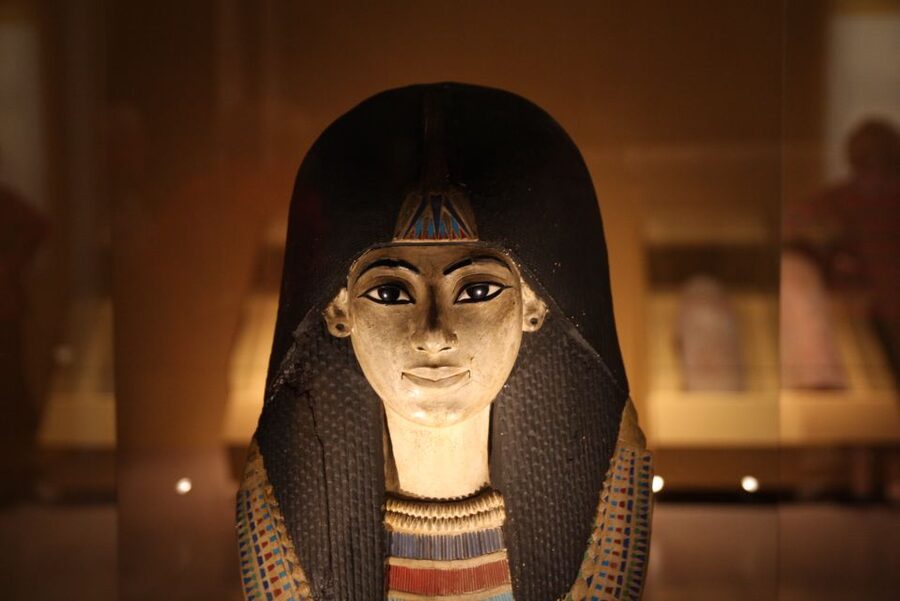
Egypt is one of the museum’s clear anchors. The collection includes mummies and ancient Egyptian objects, giving you the classic museum experience of coming face to face with the rituals and beliefs surrounding death.
The mummies are not just a spooky attraction. They offer a way into Egyptian ideas about the body, the afterlife, and the care given to the dead. The collection’s appeal works on two levels: adults can think about religion and archaeology, while children often respond immediately to the physical presence of the preserved remains.
The supplied highlights make playful reference to the curse of the Egyptian mummies, but the real value is the cultural context around them. Expect this section to be one of the easiest parts of the museum to remember after you leave.
If you are visiting with children, this is a natural place to set a simple goal: look closely at the objects connected with burial and ask what they were meant to do. That approach keeps the visit active without turning the museum into a scavenger hunt.
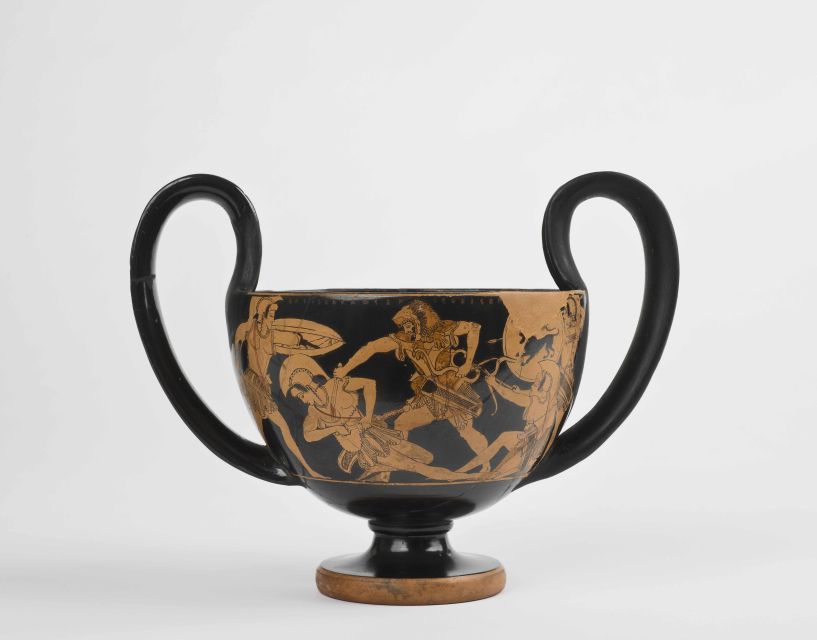
Walk through Greece and the model of Roma
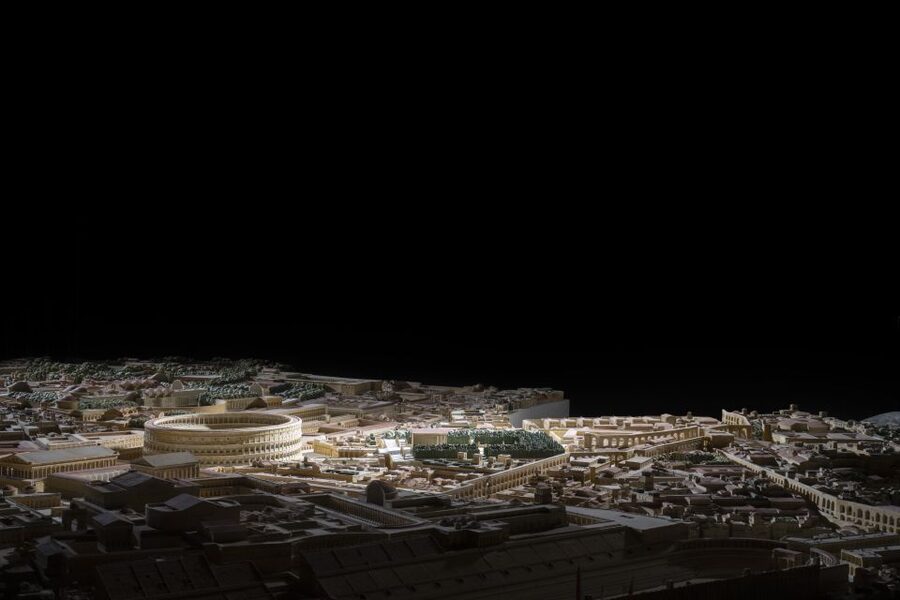
The ancient history collection continues through Greece and Rome. The model of Roma is a special stop because it lets you see the ancient city as a whole rather than only through isolated statues, coins, or fragments.
A city model helps you understand scale and layout. Instead of imagining Rome from a paragraph in a guidebook, you can study the way buildings and spaces fit together. It is particularly useful if you have seen Roman monuments elsewhere in Europe and want a larger picture of how the city functioned.
The Greek and Roman sections also provide a natural progression from earlier archaeology. You can watch artistic styles, materials, and public culture change as the collection moves forward. Since there is no fixed route or tour commentary, you can spend extra time with the model and move faster through objects that do not hold your attention.
Ancient history is often where a museum visit becomes crowded in the mind. I suggest choosing a few themes rather than trying to remember everything. Look for how people represented gods, rulers, the human body, and daily life. You will get more from the rooms by making those connections than by counting how many cases you passed.
More Museums in Brussels
- Brussels: Atomium Entry Ticket with Design Museum Ticket
★ 4.4 · 9,254 reviews - Choco-Story Brussels: Chocolate Museum Entrance with Tasting
★ 4.3 · 4,883 reviews - Brussels: 2.5-Hour Chocolate Museum Visit with Workshop
★ 4.6 · 1,263 reviews - Brussels: The World of Banksy Museum Permanent Exhibition
★ 4.7 · 636 reviews
See European decorative arts from the Middle Ages onward
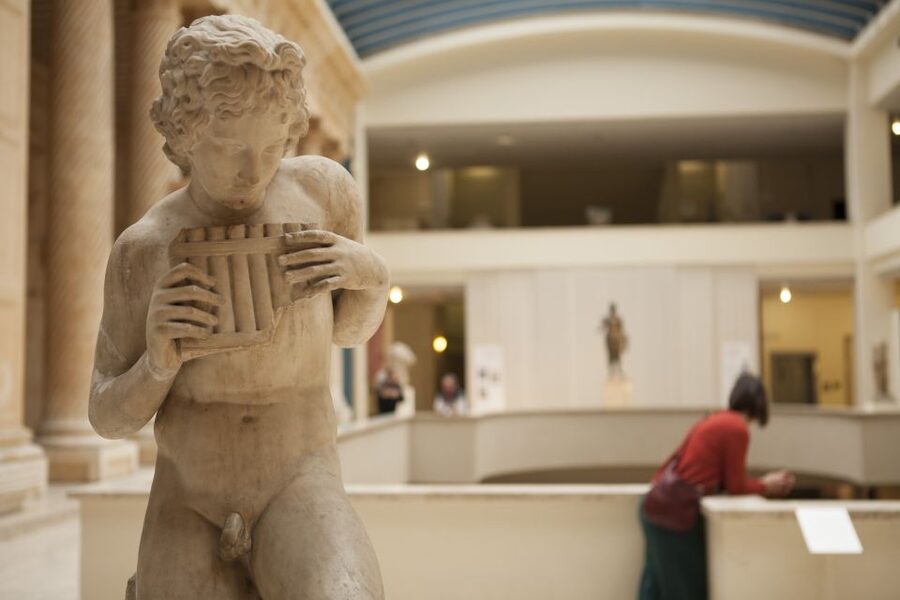
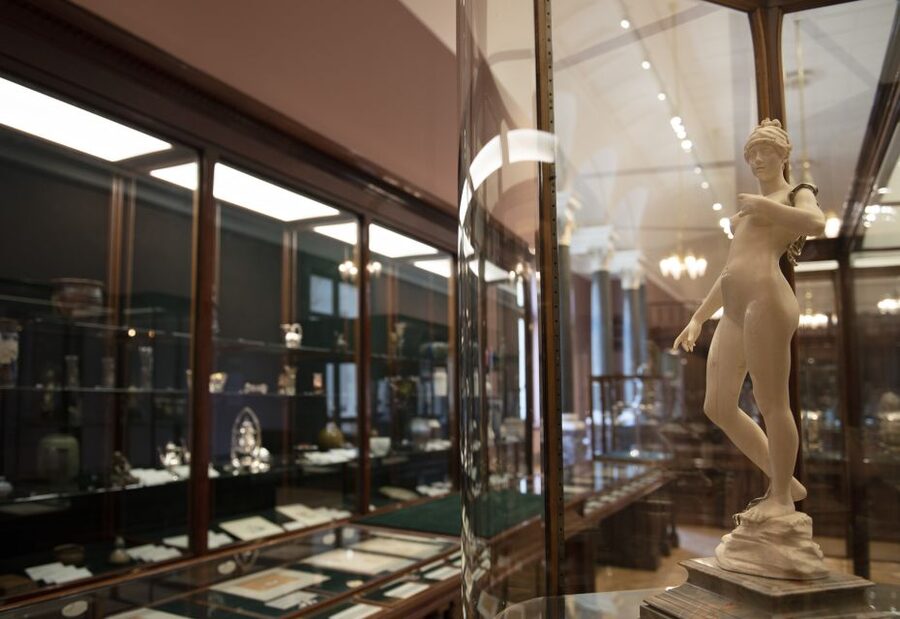
The European decorative arts collection covers the 10th through the 20th centuries. This is where the museum moves beyond ancient archaeology into objects shaped by daily life, craftsmanship, status, and design.
The period range is broad. You move from medieval works through the 16th, 17th, and 18th centuries before reaching the early 20th century. That long sweep helps you see how decoration changes with taste, technology, and social customs.
I like this section for the way it broadens the definition of art. Paintings and sculptures tend to receive the most attention in museums, but decorative arts show how people lived with beauty in practical settings. The collection can make you think about furniture, objects, and household design as part of cultural history rather than mere background.
The final part brings you to Art Nouveau and Art Deco. These styles are especially relevant in Brussels, a city known for its early modern design traditions. The museum’s treatment gives you a useful indoor introduction before you continue exploring the city’s architecture on your own.
This section may be less immediately exciting for children than the mummies or the Roman model. Give younger visitors a reason to look, such as finding unusual shapes, repeated patterns, or objects that seem designed for both use and display.
Change continents in the non-European galleries
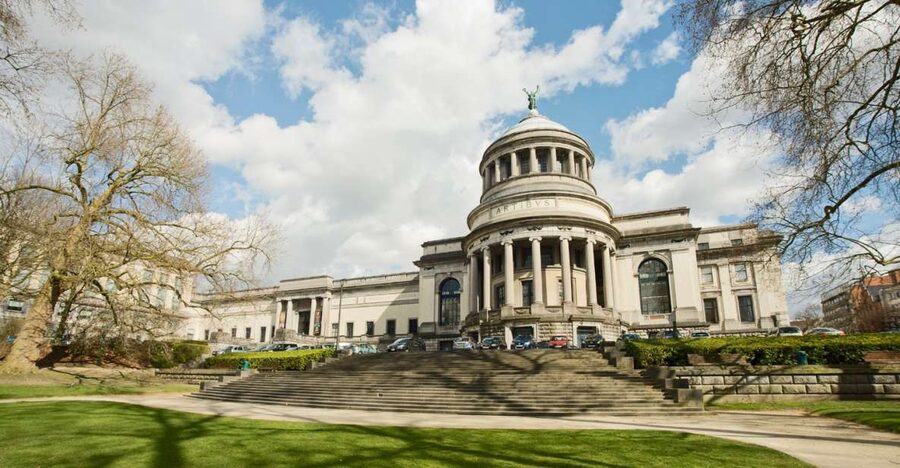
The museum’s non-European collections cover the Islamic world, India, and China, along with treasures from civilizations in Asia and America. These rooms prevent the visit from becoming a narrowly European tour.
The Asian galleries are highlighted by Buddhas, which offer a visual change after the dense ancient and European collections. The shift in subject matter, religious imagery, materials, and artistic language can make the museum feel like several different institutions joined under one roof.
The Islamic, Indian, and Chinese collections are valuable because they place European art in a wider setting. You can compare how different societies represented spiritual ideas, power, beauty, and the human figure. The museum does not ask you to travel from country to country; the world comes to you in a single building.
That convenience is one of the ticket’s strongest points. If your Brussels schedule is short, you can sample several cultures without adding more transport or separate admission fees. The tradeoff is that a broad collection cannot give every civilization equal depth during one visit. Treat these rooms as a large introduction, then choose one area to explore more closely.
Plan a full day, but do not force one
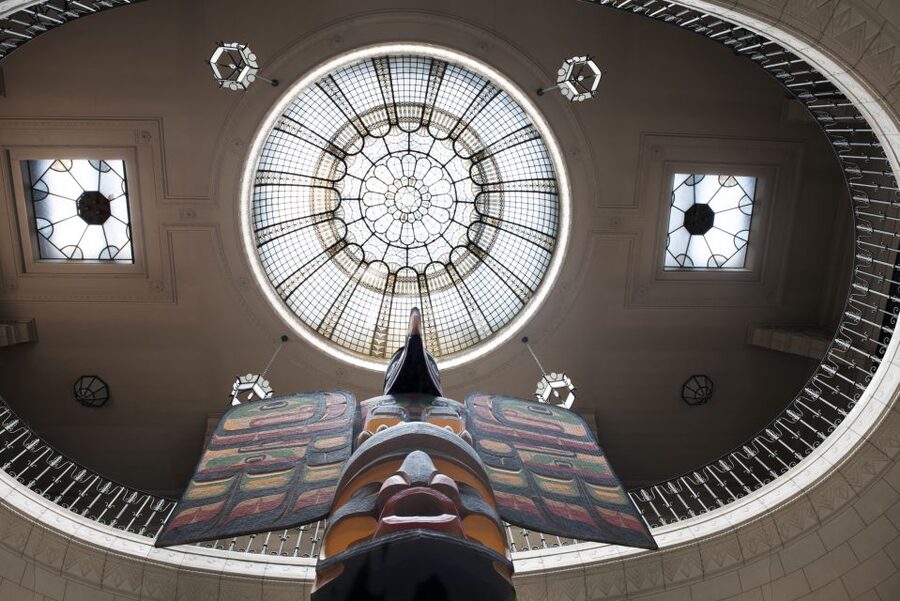
The ticket is valid for one day, and that is important because this is not a quick 45-minute museum. You can visit for a few focused hours, but the collection rewards a longer stay if you take breaks.
I would choose two or three priorities before entering. For example, you might focus on Egypt, ancient Rome, and Asian art, then spend the remaining time on Belgian archaeology and Art Nouveau. This gives the visit structure without turning it into a rigid checklist.
The museum is suitable for adults and children, but your pace will matter. Younger children may respond best to mummies, the Roman model, and the Buddhas. Older children and adults can make more of the long timeline and the links between European and non-European collections.
Because the ticket does not include a guide, you need to provide your own structure. That is not a problem if you enjoy independent museum visits. If you want detailed explanations at every stop, this entry ticket alone will feel limited.
Make Cinquantenaire Park part of the visit
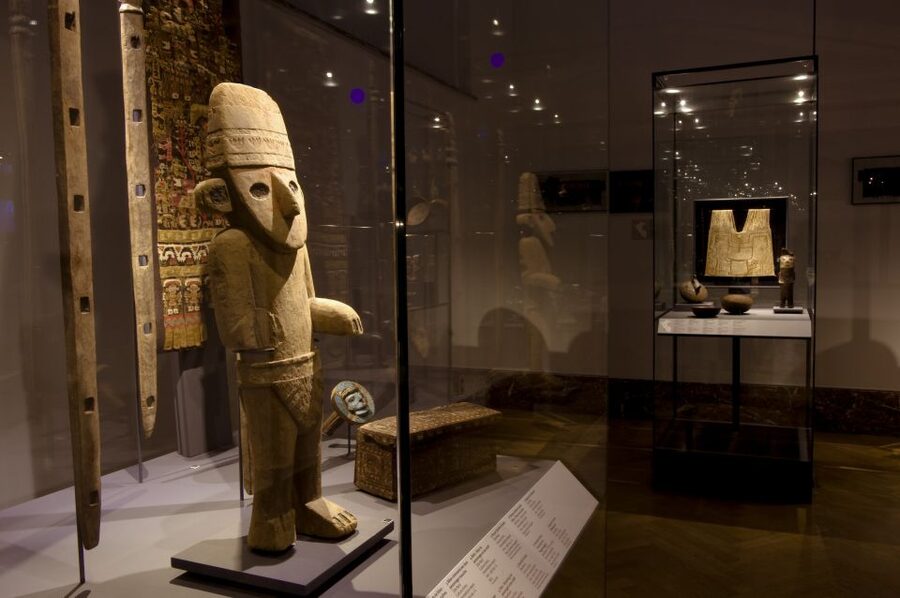
The park outside is more than a backdrop. It gives you a practical place to rest after the museum and makes the ticket easier to fit into a relaxed day.
An impromptu picnic in Cinquantenaire Park is one of the simplest ways to end the visit. Bring food with you or arrange it before reaching the museum, then use the park as a breathing space after the galleries. That break is especially useful if you have spent several hours moving between ancient, European, and Asian collections.
The park also helps balance the indoor experience. Museums can become tiring when every room demands attention. A short outdoor pause lets you review what you saw without rushing straight to the next attraction.
Getting there without losing time
The nearest train stations are Merode and Schuman, both within walking distance. Schuman is also the nearest metro station. From Central Station, you can connect by metro to the museum.
Bus routes 22, 27, and 80 stop at Galliërs. Bus 61, along with trams 81 and 82, stops at Merode. These options make the museum easy to pair with other Brussels sights in the Cinquantenaire area.
Allow extra time to find the correct entrance. The museum is not entered beside Autoworld, and the signs may only become obvious once you walk around the building. If you are meeting someone, use the museum entrance rather than Autoworld as your landmark.
Is $11 good value?
At $11 per person, the ticket is reasonably priced for a full day in one of Belgium’s largest museums. The value comes from the breadth: archaeology, Egypt, Greece, Rome, Belgian collections, European decorative arts, Islamic works, India, China, and other Asian and American civilizations are included under one admission.
The price is strongest for anyone planning to spend several hours inside. If you only want a quick look at Egyptian objects, a smaller museum may suit you better. The more sections you visit, the better this ticket works.
Check your existing Brussels museum pass before booking. One booking resulted in an unnecessary €8 payment because admission was already covered by a pass. That is the clearest money-saving tip attached to this experience.
The ticket also includes skip-the-ticket-line access, which helps you start sooner, especially on a busy day. You can reserve now and pay later, and cancellation is free up to 24 hours before the visit. Those terms are useful if your Brussels schedule is still shifting.
Should you book the Museum of Art and History?
Book it if you want one flexible ticket covering many periods and cultures, especially if you enjoy museums without a guided route. It is a strong rainy-day choice, a good family option, and an easy match for anyone already visiting Cinquantenaire Park.
Skip it if you prefer a small, tightly focused museum or if your Brussels schedule leaves you with less than a couple of hours. Before paying, check whether a museum pass already includes admission. Otherwise, $11 buys a large amount of art and archaeology, with enough variety to keep a full day interesting.
FAQ
How long is the Museum Art and History ticket valid?
The ticket is valid for one day. You can check availability for the available starting times.
Does the ticket include admission to the museum?
Yes. Entry tickets are included for the Royal Museum of Art and History.
Where is the museum entrance?
The entrance is on the other side of the building from Autoworld. Walk around the corner and follow the signs to the museum entrance.
How can I reach the museum by public transport?
The nearest train stations are Merode and Schuman. Schuman is the nearest metro station. Buses 22, 27, and 80 stop at Galliërs, while bus 61 and trams 81 and 82 stop at Merode.
Is the museum wheelchair accessible?
Yes, the museum is wheelchair accessible.
Can I take photographs inside?
Photography is allowed, but flash photography is not allowed.
Just added around Brussels
- Standard vehicle from Brussels airport to city of Antwerp★ 5.0 · 4 reviews
- Luxury Minivan from Brussels airport to the city of Brussels★ 4.0 · 7 reviews
- Transfer Brussels Airport (BRU) –> City Center 7 PAX (ONE WAY)★ 5.0 · 7 reviews
- Luxury vehicle from Brussels airport to the city of Brussels★ 4.0 · 5 reviews
- Transfer Brussels Airport –> Brussels MB V Class 7 PAX (ONE WAY)★ 5.0 · 4 reviews
- Transfer Brussels Airport –> City MB E Class 1-3 PAX (ONE WAY)★ 5.0 · 6 reviews
- PRIVATE MPV TRANSFER FROM/TO BRUSSELS AIRPORT (Max 6 pax) ONE-WAY★ 5.0 · 4 reviews
- Brussels: City Walk with Audioguide in 7 Languages on your Phone★ 3.5 · 4 reviews
Museums, compared.

Atomium Entry Ticket with Design Museum Ticket
Read our review →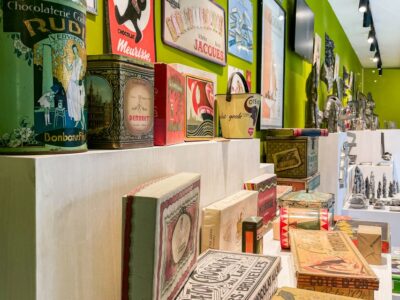
Choco-Story Brussels: Chocolate Museum Entrance with Tasting
Read our review →
Choco-Story Chocolate Museum Guided Tour w/Tastings
Read our review →
2.5-Hour Chocolate Museum Visit with Workshop
Read our review →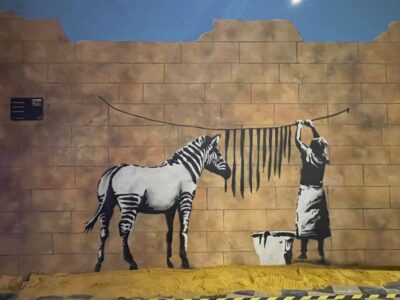
The World of Banksy Museum Permanent Exhibition
Read our review →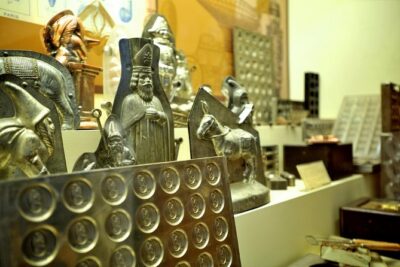

Chocolate Making Workshop and Chocolate Museum Entry
Read our review →Browse the lists this tour appears in