
Reviewed · BRUGES TOURS
Exclusive Bruges Churches Tour: Admire Michelangelo’s Masterpiece
Bruges’ churches tell the city’s story better than its postcard canals. In three and a half hours, you move from a Gothic church favored by medieval elites to a Baroque interior, a family chapel modeled after Jerusalem, the Holy Blood relic, and Michelangelo’s Madonna. The best part is the range: this is not seven versions of the same church.
I like the private format, since Xavier can set the pace and answer questions without a crowd pressing on behind you. I also like the focus on art and meaning, not just dates. He has described paintings and layouts carefully for a blind participant, and he has a knack for drawing teenagers into the discussion. The main drawback is price: at $191.05 per person, this is a serious spend, and the €10 entry fee for the Church of Our Lady comes on top.
Key points to know before you book
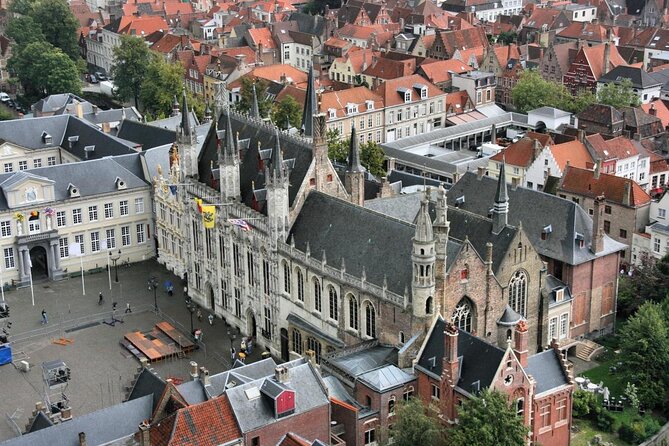
- Seven churches in one walk: The route covers Sint-Jakobskerk, Sint-Annakerk, Adornes Estate and Jerusalem Chapel, St. Walburga’s, the Basilica of the Holy Blood, the Church of Our Lady, and Saint-Salvator’s Cathedral.
- Michelangelo is the headline: The Church of Our Lady contains the famous Madonna statue, along with Burgundian tombs and other important art.
- A genuinely private tour: Only your group takes part, so you can ask questions and request more or less detail.
- Xavier shapes the experience: His approach mixes architecture, art, local stories, and conversation rather than delivering a stiff lecture.
- Most church admissions are included: The only stated extra is €10 per person for the Church of Our Lady.
- The route has a clear finish: You start at Markt 5 at 1:30 pm and end at Saint-Salvator’s Cathedral.
Why Bruges churches reveal more than the canals
The medieval center of Bruges can feel almost too polished. Its squares, brick façades, and canals make an easy picture, but they do not explain who paid for the city’s churches, how religious art worked, or why certain families built private chapels.
This tour gives you that missing layer. You see churches linked to wealthy medieval families, parish life, charitable devotion, Baroque taste, Burgundian power, and the bishop’s seat. The walk also shows how sharply church interiors can differ within a compact city center.
You should expect a lot of standing and walking, with seven stops packed into roughly 3 hours and 30 minutes. The pace is purposeful. You are not spending an hour in every church, but you get enough time at the major stops to understand what you are seeing.
Xavier is the named guide, and the experience works best if you like asking questions. His style includes testing your thoughts about art and architecture, not just supplying facts. That can make the tour feel more like a conversation than a standard city walk.
A few more Bruges half days worth weighing up
- Bruges: Small Group Boat Cruise and Guided Walking Tour
★ 4.8 · 4,102 reviews - Bruges: Walking Tour, Canal Boat Trip w/Beer Tasting Option
★ 4.4 · 2,759 reviews - Historical Walking Tour: Legends of Bruges
★ 5.0 · 2,541 reviews
Sint-Jakobskerk, a church of medieval ambition
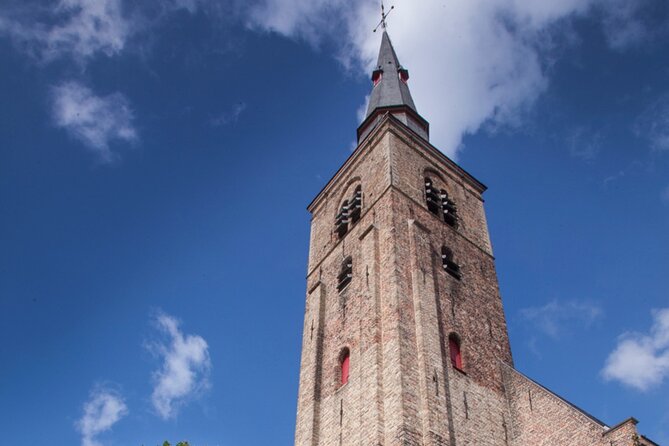
The first church, Sint-Jakobskerk, is presented as an overlooked but important place connected with Bruges’ medieval elite. You get about 30 minutes here, with attention to its art, its past, and the basic features of a Gothic church.
That opening is useful because it gives you a visual vocabulary for the rest of the afternoon. Xavier can point out how Gothic design organizes space and how a church interior communicates status and belief. You are not simply told that a building is old. You are shown how to read it.
The stop is also a reminder that Bruges has more than a few famous sights. If you visited only the most advertised attractions, you could easily miss a church that mattered greatly to people who shaped the city.
Sint-Annakerk and Bruges’ Baroque interior
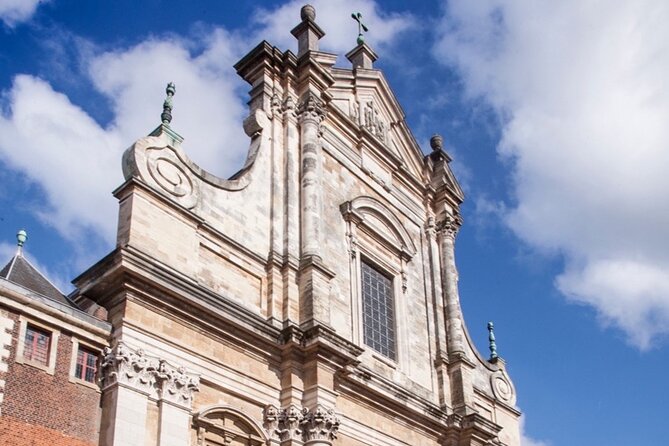
At Sint-Annakerk, the emphasis shifts from Gothic structure to Baroque decoration. The 30-minute visit includes the choir, wooden sculptures, and the development of Baroque style. You also see Bruges’ largest wall painting, by Henri Herregodts.
This is one of the strongest stops for people who want to understand how church art affects the senses. Baroque interiors often aim for movement, drama, and emotional force. The wooden sculpture and decorated choir give Xavier plenty to explain, especially if you are unsure how to distinguish Baroque work from earlier medieval styles.
The wall painting adds scale to the visit. Instead of looking only at small objects near eye level, you are encouraged to read the whole interior. Give yourself time to look up and across the space. The tour’s value here comes from connecting the objects to the larger design.
Adornes Estate and Jerusalem Chapel
The Adornes Estate and Jerusalem Chapel receives about 15 minutes, making it the shortest stop. It is also one of the most unusual. You hear the story of the family church and see a design unlike the standard church plan found elsewhere in Bruges.
Because the stop is brief, do not expect a long visit inside. Its purpose is to show how one family shaped a sacred space around a particular religious idea and personal connection. The unusual design makes this a good contrast with Sint-Jakobskerk and Sint-Annakerk.
I like this stop because it breaks the rhythm of parish churches. It adds a private, family-centered note to a route otherwise filled with major public buildings. If you are especially interested in architecture, listen closely here. The odd layout is the point.
Same city, a completely different kind of day out:
- Bruges: Choco-Story Chocolate Museum Guided Tour w/Tastings
★ 4.2 · 1,379 reviews - From Bruges: Great War Flanders Fields Minibus Tour w/ Lunch
★ 4.9 · 1,257 reviews - Bruges: Guided Rickshaw Tour
★ 4.9 · 1,199 reviews - Round-Trip Shuttle Service from Zeebrugge to Bruges
★ 4.0 · 1,143 reviews
St. Walburga’s, Bruges’ Baroque exception
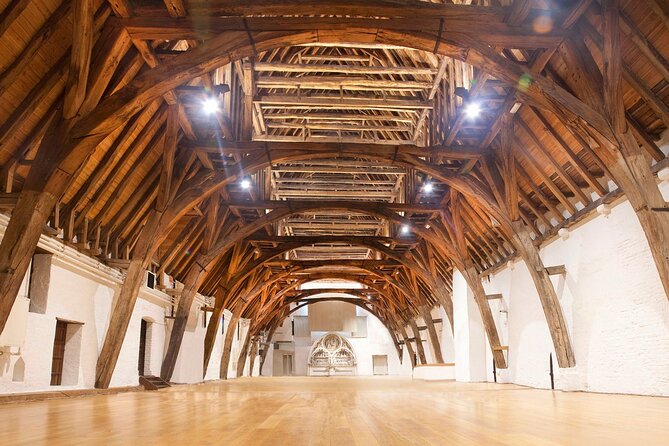
St. Walburga’s Church is described as Bruges’ only Baroque church. You spend about 20 minutes reviewing both the exterior and interior, with attention to its specific design.
That claim gives the stop a clear purpose. You are not just visiting another church. You are comparing a building that represents a different artistic and architectural choice within Bruges. After seeing Gothic forms earlier in the day, the Baroque character should be easier to spot.
The short visit suits the overall rhythm. You get enough context to understand why the church matters, but the tour does not linger so long that the final stops feel rushed. If you prefer a slow, meditative church visit, this itinerary may feel brisk. If you want a broad view of Bruges’ sacred architecture, the pacing makes sense.
The Basilica of the Holy Blood and its famous relic
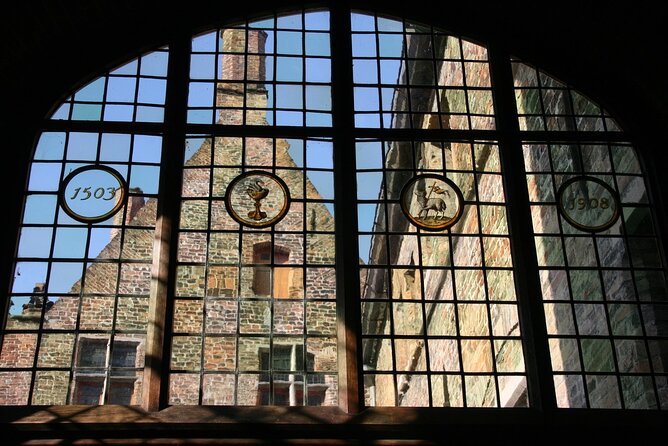
The Basilica of the Holy Blood is one of the most recognizable religious sites on the route. You have about 30 minutes to see its interior and the relic of the Holy Blood in person.
This stop adds a different kind of interest. The earlier churches focus heavily on architecture, sculpture, painting, and civic or family history. Here, the central subject is a relic and the devotion built around it. You can ask Xavier about the place of relics in Bruges’ religious life and how the basilica fits into the city’s identity.
The interior is important, too. Do not treat the basilica as a quick photo stop before moving on. The tour is designed to explain why the building and relic have mattered over time. That context is what separates a guided visit from simply stepping inside for a minute.
Church of Our Lady and Michelangelo’s Madonna
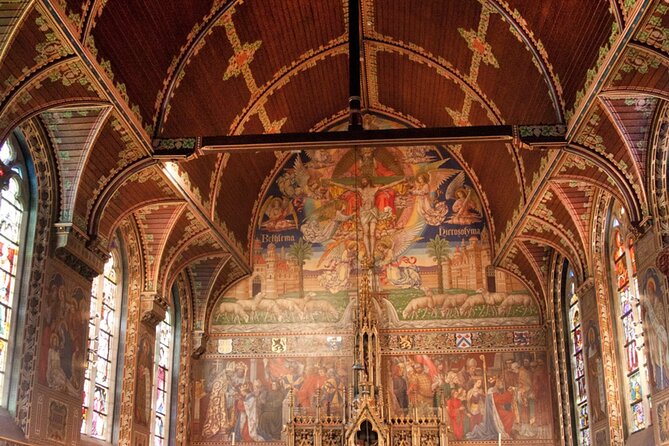
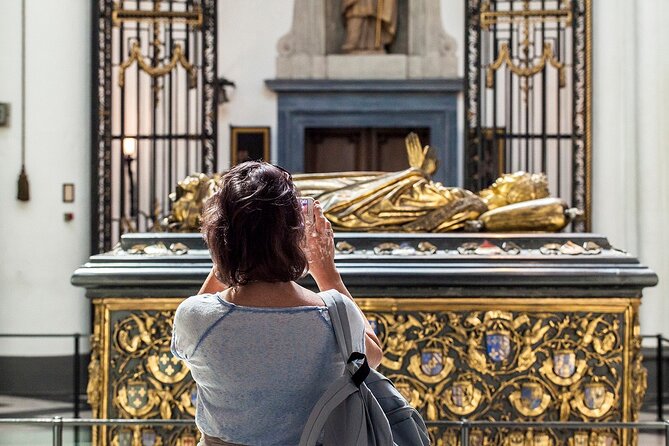
The Church of Our Lady is the tour’s main event. You spend about 45 minutes here, longer than at any other stop. The church is described as the most important in Bruges from a historical point of view, with a valuable art collection, the tombs of the counts of Burgundy, and Michelangelo’s Madonna.
The Madonna is the obvious draw, and it deserves the attention. But the visit is stronger because the statue is not treated as an isolated masterpiece. Xavier places it within the church’s wider story, alongside the Burgundian tombs and other works.
You need to budget an extra €10 per person for admission here. That fee is not included in the tour price, so factor it into your decision. It is also wise to think about your priorities. If Michelangelo is the one work you most want to see in Bruges, this tour gives it proper context instead of sending you into the church with no explanation.
The Church of Our Lady is also where the tour’s art focus pays off most clearly. Xavier’s method includes asking what you see and what you think a work means. That makes the stop useful for beginners and art enthusiasts alike. You do not need a background in art to take part.
Saint-Salvator’s Cathedral, the final chapter
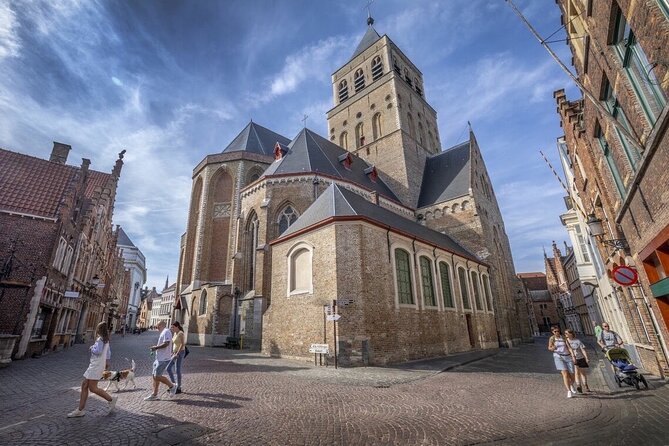
The tour ends at Saint-Salvator’s Cathedral, Bruges’ cathedral and the seat of the bishop. The final 30 minutes cover its medieval tombs and its place in the city’s past.
Ending here gives the route a sense of progression. You have moved through private devotion, parish churches, a basilica, and major family foundations. The cathedral brings the story back to the highest level of church authority in Bruges.
The finish at the cathedral is also practical. The meeting point is Markt 5, while the end point is on Steenstraat at Saint-Salvator’s Cathedral. You are not returned to the starting square, so plan your next activity from the cathedral area rather than assuming you will finish at Markt.
What the private format adds
A private tour matters more here than it would on a simple orientation walk. Churches contain details that are easy to miss, and the right explanation depends on what catches your eye. You can ask why one church feels Gothic, why another is Baroque, or how a tomb, painting, and chapel fit into Bruges’ social story.
The reviews supplied for this experience repeatedly praise Xavier’s patience and ability to answer questions. One family with teenagers found the pace worked well after a long trip through Belgium and the Netherlands. That suggests the tour can hold the attention of older children, especially when they are encouraged to form their own opinions.
The tour has also shown strong attention to access. Xavier has gone out of his way to describe paintings, statues, and interior layouts for a person who was totally blind. That does not mean every accessibility need is covered automatically, so you should still discuss your requirements when booking. It does show that careful verbal description is part of his approach.
One unusual personal touch has also been part of the experience: after a tour, Xavier shared a beer with the group at a local bar. Do not treat that as a guaranteed inclusion, since the stated tour ends at the cathedral. Still, it gives you a sense of the friendly, conversational style associated with the guide.
Is $191.05 a fair price?
At $191.05 per person, this is not a budget walking tour. The price is easier to justify if you are traveling as a small private group and want focused attention from one guide. Group discounts are available, which may improve the value for families or friends booking together.
You are paying for a private guide and a tightly organized route through seven significant churches. Most listed church admissions are free, but the Church of Our Lady costs €10 per person extra. The tour is offered in English, and the mobile ticket makes arrival straightforward.
The real question is how you use your time in Bruges. If you would otherwise visit the churches on your own without understanding the art or architecture, the guide adds substantial value. If you prefer to wander slowly and read at your own pace, the fixed schedule and high price may not suit you.
The tour is booked an average of 58 days ahead, so this is not an activity to leave until the last minute if you have a firm Bruges schedule. Confirmation is provided when you book, and free cancellation is available up to 24 hours before the local start time.
Who should book this Bruges church walk?
I would choose this tour if you care about art, architecture, religious history, or the people who funded Bruges’ grand buildings. It is especially suitable for couples, families with older teenagers, and small groups who want a guide to respond to their questions.
It is less suitable if your main goal is shopping, canals, or a broad general tour of Bruges. The route is tightly focused on churches, and the 1:30 pm start means you give most of an afternoon to interiors, tombs, paintings, chapels, and relics.
You should also be comfortable with a brisk walking program and repeated church visits. The variety helps, but the subject remains consistent. Visitors who enjoy comparing styles will get more from it than people who quickly tire of religious buildings.
Should you book the Exclusive Bruges Churches Tour?
Book it if Michelangelo’s Madonna interests you but you also want to understand Bruges beyond one famous statue. The strongest reason to go is the combination of range and personal guidance: seven churches, several artistic periods, Burgundian tombs, a relic, a family chapel, and a cathedral, all explained by Xavier.
Skip it if $191.05 per person feels too high for a specialized walk or if you want unstructured time. For the right audience, though, this is a thoughtful way to see Bruges’ sacred buildings and the people, beliefs, and artistic choices behind them. Add the €10 Church of Our Lady fee to your budget, arrive at Markt 5 for the 1:30 pm start, and expect to finish at Saint-Salvator’s Cathedral.
FAQ
How long does the Exclusive Bruges Churches Tour last?
The tour lasts approximately 3 hours and 30 minutes.
What time does the tour start?
The tour starts at 1:30 pm.
Where does the tour begin?
The meeting point is Markt 5, 8000 Brugge, Belgium.
Where does the tour end?
The tour ends at Saint-Salvatorskathedraal on Steenstraat, 8000 Brugge, Belgium.
Is this a private tour?
Yes. Only your group participates in the activity.
Which language is the tour offered in?
The tour is offered in English.
Is admission to the churches included?
Most listed church admissions are free. Admission to the Church of Our Lady is not included and costs €10 per person.
Is a guide included?
Yes. A private guide is included. The named guide connected with the experience is Xavier.
Can I cancel for a full refund?
Yes. You can cancel at least 24 hours before the experience start time for a full refund. Changes or cancellations made less than 24 hours before the start time are not accepted for a refund.
Just added around Bruges
- 2-Hour Private Walking Tour of Bruges★ 5.0 · 13 reviews
- The Waffles ‘n Coffee Breakfast in Bruges Centre★ 4.5 · 9 reviews
- Ticket Expo Body Worlds in Bruges, Belgium★ 4.5 · 11 reviews
- Discover the secrets of Bruges by playing!★ 4.5 · 7 reviews
- Explore the Instaworthy Spots of Bruges with a Local★ 5.0 · 3 reviews
- Australian Battlefields Private Tour in Flanders from Bruges★ 5.0 · 15 reviews
- 6 Hour Bruges Shore Excursion from Zeebrugge Cruise Port★ 4.5 · 23 reviews
- Photo Tour “Jan van Eyck”★ 4.0 · 7 reviews
Bruges Tours, compared.

Small Group Boat Cruise and Guided Walking Tour
Read our review →
Walking Tour, Canal Boat Trip w/Beer Tasting Option
Read our review →
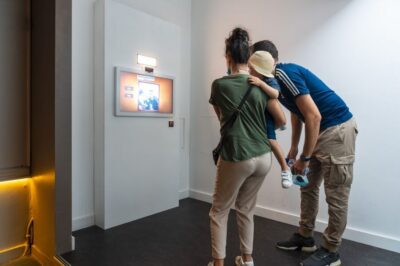
Choco-Story Chocolate Museum Guided Tour w/Tastings
Read our review →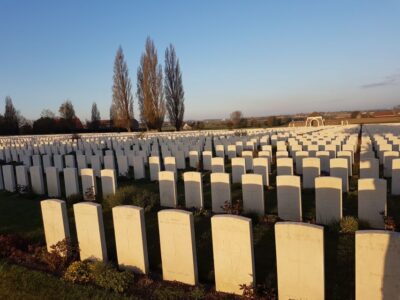
Great War Flanders Fields Minibus Tour w/ Lunch
Read our review →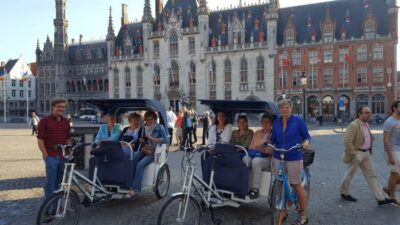
Round-Trip Shuttle Service from Zeebrugge to Bruges
Read our review →
Belgian Waffle-Making Workshop with Beer Tasting
Read our review →Browse the lists this tour appears in