

Reviewed · WWI BATTLEFIELD TOURS
From Bruges: Great War Flanders Fields Minibus Tour w/ Lunch
Flanders Fields is not a single memorial or museum. It is a whole region where quiet roads, farm fields, cemeteries, bunkers, and rebuilt towns reveal the scale of World War I. This nine-hour tour connects those pieces, taking you from Bruges to Ypres and the former Ypres Salient with a guide who explains what happened on the ground.
I like the wide range of sites, from Hill 60’s craters and bunkers to the carefully kept cemeteries at Passchendaele and Polygon Wood. I also like the personal family-history help: if you arrange it ahead, the guide can help you find an ancestor’s grave or locate a name on the Menin Gate Memorial.
The main drawback is the length and subject matter. You spend most of the day moving between battlefields and graves, so this is not a light sightseeing outing. The tour also involves walking on uneven ground and is not suitable for wheelchair users or people with mobility impairments.
Key points before you book
- Hill 60 gives you the clearest sense of the battlefield: Craters, bunkers, and rough ground make the fighting feel more real than a display case can.
- Ypres was destroyed and rebuilt: The town was reconstructed to its medieval plan after being almost completely razed during the war.
- The Menin Gate lists 55,000 missing soldiers: It is one of the day’s most powerful stops, especially if you stay for the Last Post Ceremony.
- Guides bring personal stories into the day: Philippe, Phillip, Lucas, Lukas, Peter, and other guides are praised for explaining events through individual soldiers and families.
- Lunch is built into the schedule: You eat at De Dreve or an alternative stop, with drinks costing extra.
- Ancestor visits need advance planning: Contact the operator well ahead, preferably by phone, if you want help finding a grave.
Why this Flanders Fields tour works
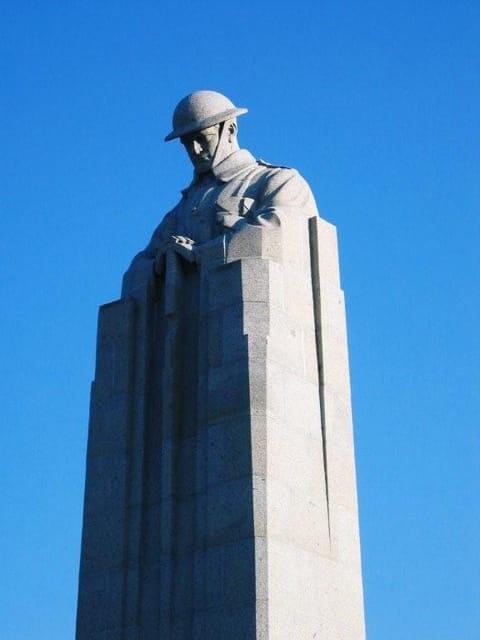
The strongest feature is the way the day links places together. You do not simply stop at one museum, read a few panels, and leave. You ride through West Flanders, seeing how close the battle sites were to villages, roads, farms, and the city of Ypres.
That matters because the First World War in Flanders can be hard to picture from a map. The tour helps you understand the Ypres Salient as a series of connected positions. Your guide explains the German invasion of Belgium, the route toward France, the fighting around Ypres, and the role of the British, Belgian, German, Australian, New Zealand, Canadian, and other forces involved.
The commentary is in English and comes from the guide rather than from a museum audio system. Guides such as Philippe and Lucas are praised for their detailed command of the area, but also for explaining it in plain language. Their stories include soldiers on both sides, which gives the day a fair and respectful tone.
You should expect a serious mood, but not a stiff one. Several guides use gentle humor between stops, and the small minibus setting makes it easier to ask questions than on a large coach tour.
More Flanders Fields battlefield days from Bruges:
- Flanders Fields Remembrance Tour from Bruges
★ 4.5 · 207 reviews - From Bruges: Flanders Fields Remembrance Full-Day Trip
★ 4.8 · 65 reviews - Australian Battlefields Private Tour in Flanders from Bruges
★ 5.0 · 15 reviews
From Bruges to the rebuilt streets of Ypres
The day begins outside the Grand Hotel Normandy on Hoefijzerlaan at 8:55 a.m. If you are staying more than a 10-minute walk away, call the operator at least 24 hours before departure to arrange another pickup point. The phone is the safer option for this request, since the office may not answer emails quickly.
The air-conditioned minibus is a practical choice for this route. Flanders Fields covers a broad area, and you need transport to connect the cemeteries, woods, battlefield sites, and memorials. The coach is described as comfortable, and the frequent stops break up the sitting time.
Ypres, known to British soldiers as Wipers, is one of the key places to understand. The town was almost completely destroyed during the war, then rebuilt according to its medieval plan. Walking or looking around here gives you a clear reminder that the war did not only destroy trenches. It erased homes, churches, businesses, and public buildings too.
The tour explains why Ypres mattered. Germany invaded Belgium as part of its attempt to attack France from the north, and Ypres became a crucial point on the Western Front. The city’s location made it strategically important, while the surrounding battlefields became some of the most heavily fought ground of the war.
Passchendaele and Polygon Wood: graves among ordinary countryside
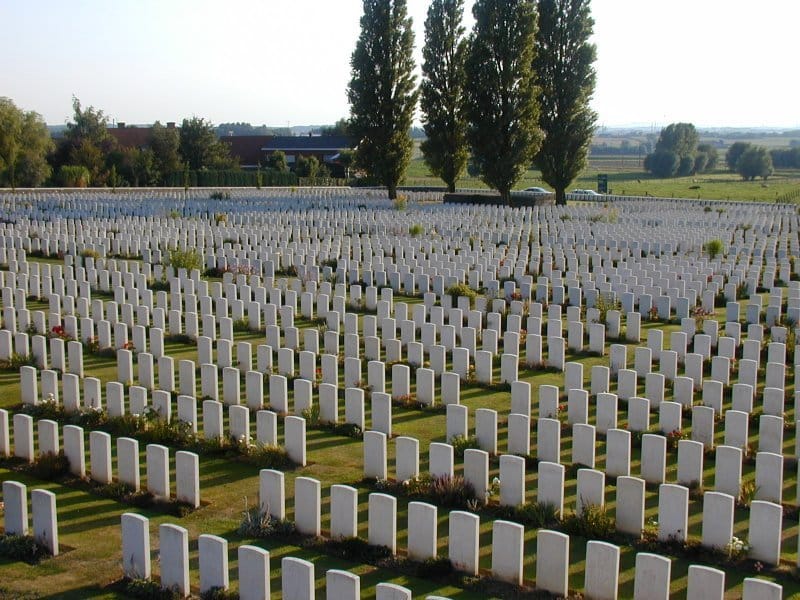
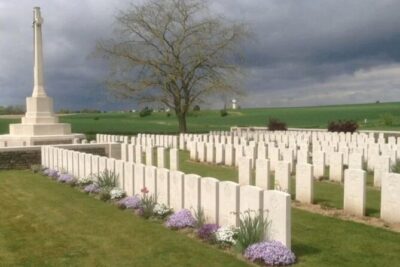
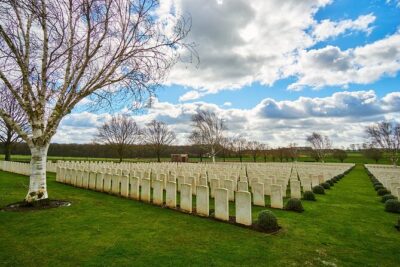
The stops at Passchendaele and Polygon Wood bring the human cost into view. You stroll among military graves, where the neat rows contrast sharply with the muddy, chaotic conditions soldiers faced during the fighting.
The guide does more than identify national sections or explain dates. You hear individual stories that show how young many of the soldiers were and how the war affected families far from Belgium. This is one of the best parts of the tour if you want more than a list of battles.
The countryside itself can seem calm. That contrast is important. Today, you may see fields and roads rather than a scene of devastation, but the route helps you understand that the ground beneath those fields was once packed with trenches, artillery positions, and men under fire.
Passchendaele is especially difficult emotionally because the name has become linked with mud, exhaustion, and enormous casualties. The tour does not treat the site as a quick photo stop. The guide explains the wider campaign and the conditions that made the fighting so punishing.
Polygon Wood offers another angle. The woods and memorial sites show how the fighting moved through changing ground, with soldiers trying to hold or take small sections of territory. Comfortable shoes are essential. You will not be walking all day, but some surfaces are uneven.
Hill 60 and the physical remains of battle
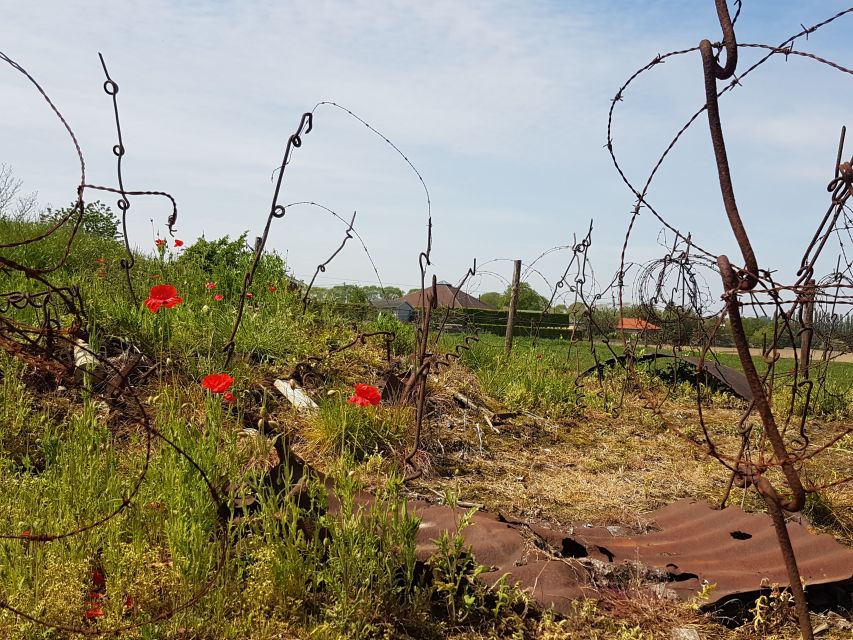
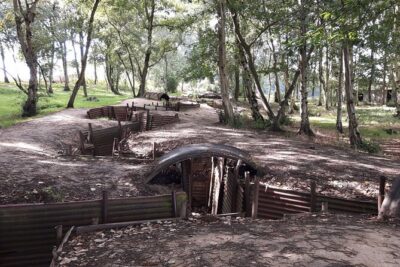
Hill 60 is likely to be the most vivid stop for many people. Here, you can see craters and bunkers on preserved battlefield ground. The site gives you something solid to look at while the guide explains how troops fought for positions that may seem modest on a modern map.
The craters are not just dramatic shapes. They show the force of underground mining and shelling, while the bunkers make the defensive nature of the fighting easier to understand. You can clamber around parts of the site, so expect uneven footing rather than paved paths.
I like Hill 60 because it makes the war physical. Cemeteries are quiet and moving, but Hill 60 shows the damaged ground itself. You can better imagine how difficult it was to move, shelter, communicate, and survive in such conditions.
This stop also helps balance the day. If you only visit memorials, the war can feel distant. If you only visit battlefield remains, you can lose sight of the people involved. The tour combines both, moving from the ground soldiers fought over to the names and graves left behind.
A few more Bruges half days worth weighing up
- Brussels: Hard Rock Cafe with Set Menu for Lunch or Dinner
★ 4.5 · 460 reviews - Brussels: Walking Tour with Belgian Lunch, Chocolate, & Beer
★ 4.7 · 300 reviews - Hard Rock Cafe Brussels with Set Lunch or Dinner
★ 4.0 · 44 reviews
Lunch at De Dreve and a welcome pause
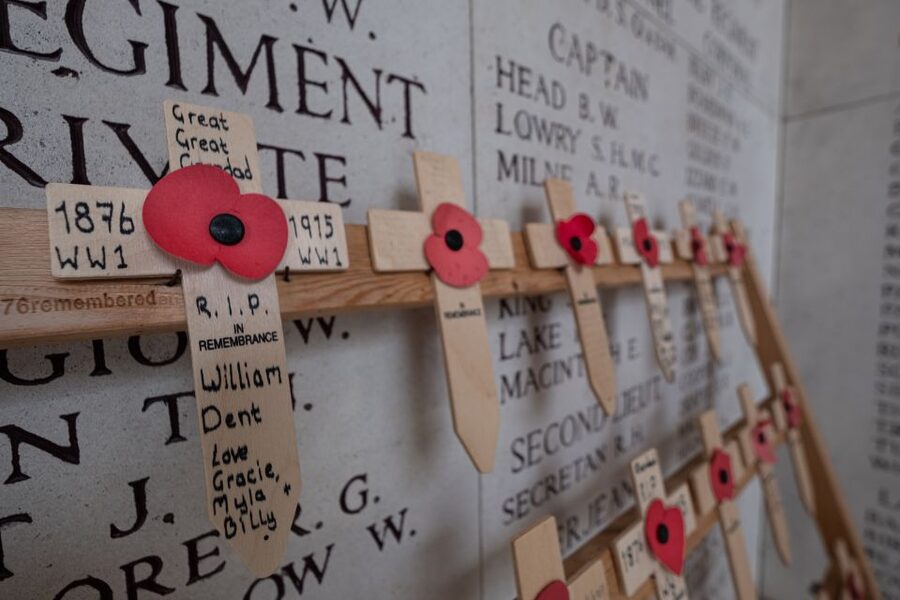
Lunch is included at De Dreve or an alternative stop. The meal is described as simple but enjoyable, and the stop may include a museum or pub setting focused on the First World War. It is a useful pause in a full schedule, giving you time to sit, eat, and process what you have seen.
Drinks are not included, so budget for them separately. Some stops may charge a small fee for bathroom use, and at least one payment point may require coins rather than a card. Carry a little change.
The lunch stop also adds a local touch that a standard city tour cannot provide. The day is not limited to formal memorials. You may meet people connected with the local interpretation of the war, and the museum element gives you another way to connect the battlefield with personal objects and stories.
The Menin Gate and 55,000 missing names
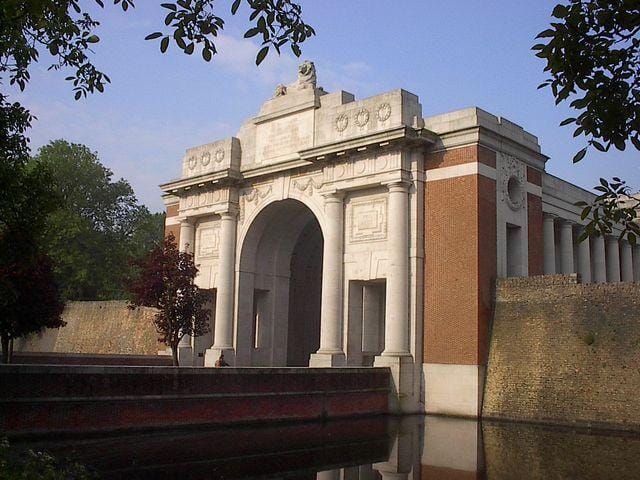
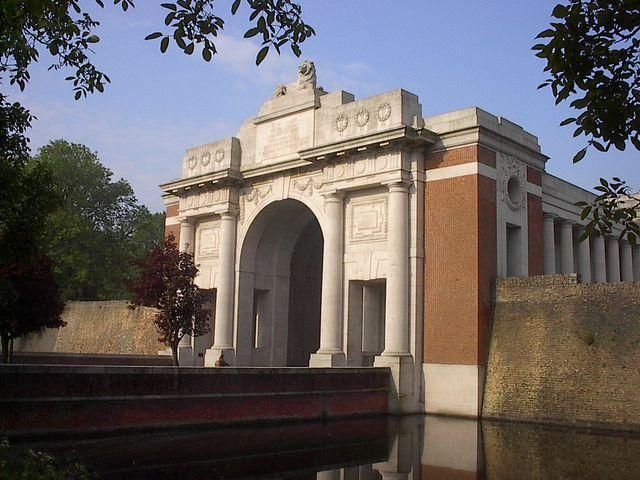
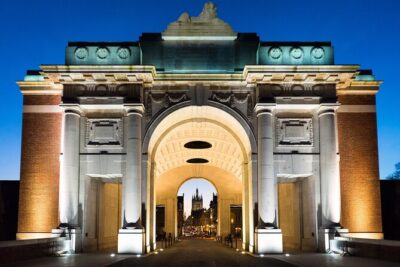
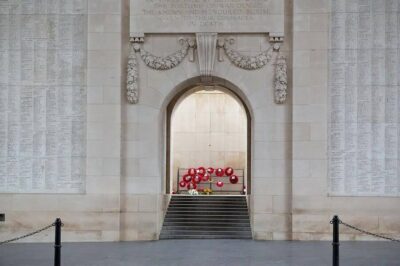
The Menin Gate Memorial is the emotional center of the standard tour. It was built at the point where soldiers left Ypres for the front and records the names of 55,000 missing soldiers.
The scale is hard to absorb at first. The guide helps by explaining what the memorial represents and by connecting the names to the wider story of the Ypres Salient. If you have an ancestor listed there, request help before the tour. Guides have helped people find a relative’s name and identify the correct panel.
The memorial is more than a grand structure. It is a place where the absence of a known grave becomes visible. The names represent men whose remains were never identified or recovered, so the memorial gives families a place to remember them.
If you have even a partial family record, bring the details with you. A full name, regiment, nationality, and date of death can make the search easier, but the operator must know in advance if you want this kind of assistance.
Staying for the Last Post Ceremony
The regular tour returns to Bruges at about 6:15 p.m., with a possible delay of around 15 minutes. If you have evening plans, leave some room in your schedule.
You can instead request an extension to stay in Ypres for the Last Post Ceremony under the Menin Gate. The ceremony runs until about 8 p.m., with a taxi return to your Bruges hotel expected around 9:15 p.m. This option costs €35 per person, requires at least two people booking the day trip, and should be requested well in advance because places are limited.
The ceremony is not included in the base price, but it can be a worthwhile addition. The memorial already carries the weight of the missing names, and hearing the Last Post there gives the visit a formal moment of remembrance.
Do not assume you can decide on the day. Ask when booking and be prepared to pay the extra fee in cash, since cash is preferred.
How much value do you get for $130?
At $130 per person, this is not the cheapest way to see the Ypres area. It is a full-day commitment, and the price includes transport, an English-speaking guide, and lunch.
The value comes from the amount of ground covered and the guide’s role. Renting a car would give you freedom, but you would need to plan the route, understand the sites, find parking, and build the historical links yourself. Public transport would not be a practical substitute for reaching the scattered battlefield locations.
You are also paying for context. A bunker or cemetery can be meaningful on its own, but the right explanation helps you understand why it is there and how it fits into the wider war. Guides such as Philippe and Lucas are praised for using specific stories rather than repeating only standard dates.
The price makes the most sense if World War I is a major reason for visiting Belgium, if you have family connections to the war, or if you want to see several sites in one day without driving. If you only have a passing interest, the serious subject matter and long duration may feel like too much.
Who should book this tour?
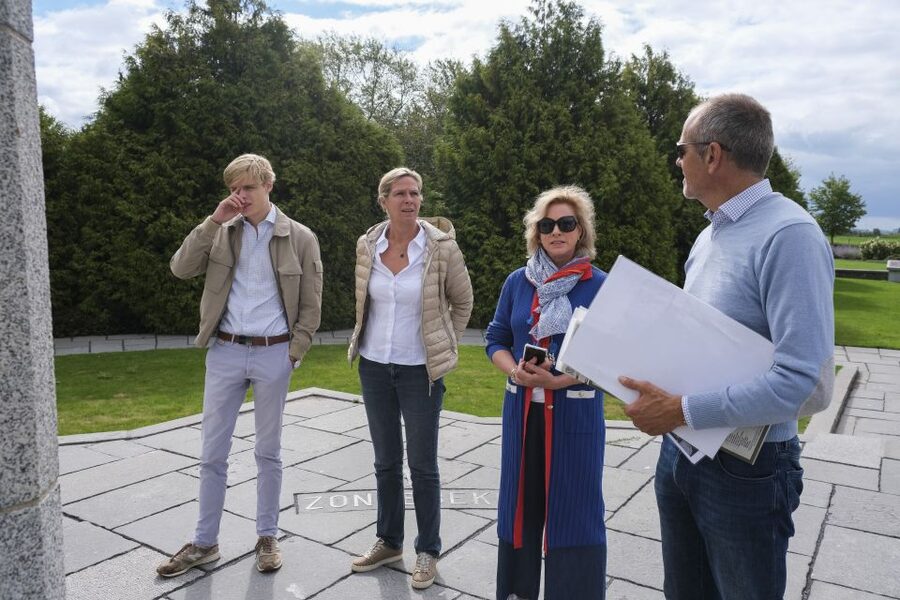
I would choose this tour if you want a structured introduction to the Ypres Salient and prefer a guide to doing detailed research on your own. It suits adults, older children over eight, family groups, and anyone tracing a relative who fought in the region.
It is especially useful for visitors from Australia, New Zealand, Canada, the United Kingdom, and other countries whose military history is closely tied to Flanders. The tour does not focus only on one national story, though. The guide explains the part played by each country involved in the area and discusses both Allied and German experiences.
You should be comfortable with a full day, repeated minibus rides, walking on uneven ground, and emotionally heavy subjects. Children under eight cannot join, and the tour is not suitable for wheelchair users or people with mobility limitations.
Wear sturdy, comfortable shoes and dress for the weather. The countryside can be exposed, and conditions may change during the day. Smoking is not allowed on the minibus, although the vehicle stops often.
Final recommendation
Book this tour if you want to understand Flanders Fields as a place, not just collect a few memorial photos. The combination of Ypres, Hill 60, cemeteries, trenches, bunkers, Passchendaele, Polygon Wood, and the Menin Gate gives you a strong overview in one day.
I would add the Last Post Ceremony if you can arrange it early. I would also contact the operator well ahead if you want to visit an ancestor’s grave. Skip the tour only if you dislike long historical days, have difficulty walking over rough ground, or prefer to explore at your own pace.
For most people with a serious interest in the First World War, the $130 price is fair because it includes the transport, lunch, and the guide’s interpretation. It is a solemn day, but also a useful and carefully arranged one.
FAQ
Where does the tour meet in Bruges?
The meeting point is outside the Grand Hotel Normandy at Hoefijzerlaan 37. You should be there at 8:55 a.m.
What time does the tour return to Bruges?
The standard tour returns around 6:15 p.m. This can vary by about 15 minutes.
Is lunch included?
Yes. Lunch is provided at De Dreve or an alternative stop. Drinks are not included.
Is the tour conducted in English?
Yes. The listed tour language is English.
What vehicle is used?
Transport is provided in an air-conditioned minibus. Smoking is not allowed on board.
Can I visit an ancestor’s grave?
Yes, but you must request this well in advance. The operator can try to arrange an ancestor visit when the tour reaches the Ypres Salient.
Can I stay for the Last Post Ceremony?
Yes. You must request this when booking because places are limited. The extension includes transport back to your Bruges hotel, costs €35 per person, and requires a minimum of two people.
What should I bring?
Bring comfortable shoes and clothing suitable for the weather. Carry some change because certain bathroom stops may charge about €0.50 and may not accept cards.
Is the tour suitable for children?
Children under eight are not allowed to join the tour.
Is the tour suitable for wheelchair users?
No. The tour is not suitable for wheelchair users or people with mobility impairments because some sites involve uneven ground and walking.
Just added around Bruges
- 2-Hour Private Walking Tour of Bruges★ 5.0 · 13 reviews
- The Waffles ‘n Coffee Breakfast in Bruges Centre★ 4.5 · 9 reviews
- Ticket Expo Body Worlds in Bruges, Belgium★ 4.5 · 11 reviews
- Discover the secrets of Bruges by playing!★ 4.5 · 7 reviews
- Explore the Instaworthy Spots of Bruges with a Local★ 5.0 · 3 reviews
- Australian Battlefields Private Tour in Flanders from Bruges★ 5.0 · 15 reviews
- 6 Hour Bruges Shore Excursion from Zeebrugge Cruise Port★ 4.5 · 23 reviews
- Photo Tour “Jan van Eyck”★ 4.0 · 7 reviews
WWI Battlefield Tours, compared.
Flanders Fields Remembrance Tour from Brussels
Read our review →
In Flanders Fields and Passchendaele Half Day Morning Tour
Read our review →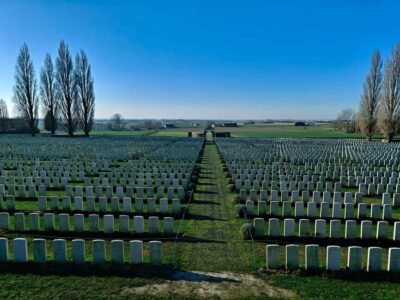
An exploration of the deadly salient battlefields
Read our review →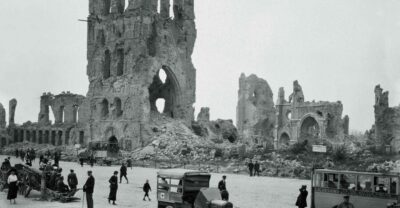
Small Group Ypres Remembrance Day Filled With War History
Read our review →Browse the lists this tour appears in