
Reviewed · FULL-DAY
From Brussels: Bruges and Ghent Full-Day Trip by Train
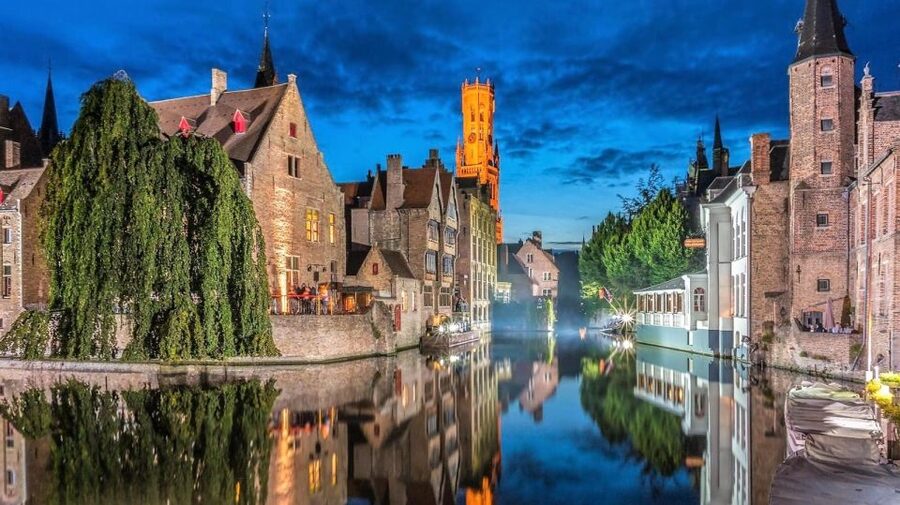
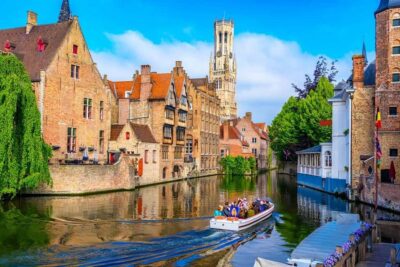
The best thing about this day trip is simple: you see two great Flemish cities without arranging the trains yourself. Bruges gives you canals, brick lanes, guildhalls, and the peaceful Beguinage. Ghent brings a bigger medieval city, grand churches, the old port of Graslei, and Castle Gravensteen.
I like the mix of guided sightseeing and free time in Bruges. I also like the chance to return from Bruges later on your own if the group is small. The catch is the pace. Ten hours and a lot of walking give you a useful first look, but not enough time for museums, long meals, a boat ride, and slow wandering in both cities.
Key points to know before booking
- Two medieval cities in one day: See Bruges and Ghent from Brussels without booking separate train trips.
- Bruges gets the longer visit: The plan allows about 2.5 hours with the guide and two hours of free time.
- Ghent is packed with major sights: Saint Bavo Cathedral, Graslei, Gravensteen, Patershol, and the Great Butchers’ Hall are all included in the walk.
- Expect public transport and uneven streets: Comfortable shoes are essential, and the day can feel tiring.
- Optional extras cost more: The Bruges canal boat is €8, while the Van Eyck altarpiece in Ghent costs €4.
- Past guides have included Louise and Louisa: Guide quality is important here, since clear explanations and good group control make the full schedule much easier.
Why this Bruges and Ghent day works
Bruges and Ghent are close enough to combine, but different enough to justify seeing both. Bruges is compact and polished, with canals threading through a nearly storybook center. Ghent feels larger and more lived-in, with imposing churches, a former port, student life, and a castle at the center of town.
The train is a sensible way to connect the cities. You avoid the strain of driving and parking, and the journey itself keeps the day tied to local transport rather than a sealed coach. The tradeoff is that you will use public stations and city streets, so the group must stay together and the schedule needs discipline.
The cost is $82 per person. That is fair if you want a guide, round-trip transport from Brussels, and a quick introduction to both cities. It is less attractive if you prefer setting your own pace or want to spend hours inside museums. Add €8 for the Bruges boat and €4 for the Van Eyck altarpiece if you choose both.
More Day Trips in Brussels
- From Brussels: Guided Day Trip to Bruges and Ghent
★ 4.6 · 8,353 reviews - Luxembourg and Dinant Day Trip from Brussels
★ 4.0 · 1,474 reviews - From Brussels: Bruges Day Trip with Boat Tour Option (ENG)
★ 4.6 · 1,352 reviews
Starting at Brussels’ Grand Place
The meeting point is in front of the Tourist Information Office at Brussels’ Grand Place. Look for a guide holding a white umbrella. The supplied timing gives 08:30 as the meeting time and also says the departure is at 09:30 on Sunday, so confirm the exact starting instruction when you book.
That one-hour difference matters. Arrive early, especially if you are unfamiliar with the square or carrying luggage. The day is tightly arranged, and a late start can cut into your free time in Bruges.
The tour is offered in English, French, or Spanish. In a multilingual group, explanations may take longer, particularly when the guide repeats the same point in two languages. One past departure was praised for excellent guidance but noted that switching between English and French slowed the walk. If you value a brisk pace, ask which language the group will use most.
Bruges begins with the Lake of Love
After reaching Bruges Central Station, the walking tour begins in the old city wall park. The Lake of Love, or Minnewater, is one of the city’s most recognizable waterside settings and part of the canal system that earned Bruges its Venice of the North nickname.
This is a good opening because it eases you into Bruges. You start with greenery and water before moving into tighter lanes and busy squares. Take a moment here to get your bearings, but do not expect a long stop. The day has many places to cover.
From here, the route reaches the Beguinage. This walled community was once home to women living in a religious setting, and it remains one of the best-preserved examples of a medieval gated community. The white buildings and quiet courtyard offer a welcome pause from the commercial center.
I consider the Beguinage one of the most valuable stops in Bruges because it shows a different side of medieval life. It is not just another grand church or civic building. Keep your voice down and treat it as a place of residence and reflection, not merely a photo stop.
Bruges’ hospitals, brewery, and great churches
The walk continues past De Halve Maan, the only brewery still operating in Bruges’ city center. The stop gives you a useful link between the city’s medieval trade and its continuing beer culture, though the tour does not include a brewery tasting.
Old St. John’s Hospital follows. With about 800 years of architectural development, it offers a compact lesson in how European hospitals changed over time. The Hans Memling museum is optional, so your available time and interest will determine if you can fit it in.
Our Lady of Bruges is another major stop. Its brick tower is among the tallest brickwork towers in the world, and the church holds important art, including Michelangelo’s Madonna with the Child. The art viewing is optional, and the schedule may not allow a leisurely visit.
This is a recurring theme of the day. You will hear about excellent interiors and important works, but the tour is mainly a guided city walk. If Michelangelo or Memling is a top priority, note the sites and return independently on another day.
A few more Brussels half days worth weighing up
- Brussels: Train World Museum Entrance Ticket
★ 4.7 · 524 reviews - Brussels Train World Museum Entrance Ticket
★ 4.5 · 220 reviews
Squares, guildhalls, and the Bruges canal option
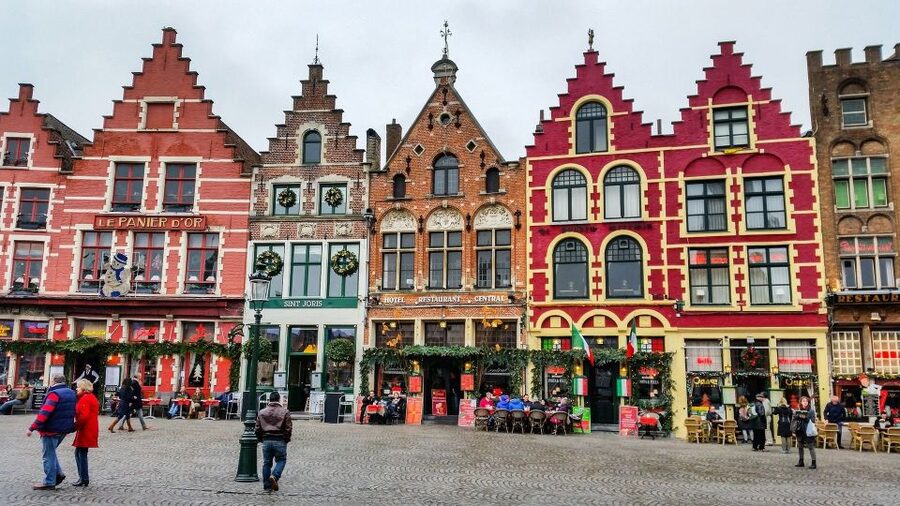
The route visits the VisMarkt, or fish market, and Tanners’ Square. These are among Bruges’ oldest squares, with guildhalls, cafés, and restaurants around them. They help you read the city as a working commercial center rather than a collection of pretty streets.
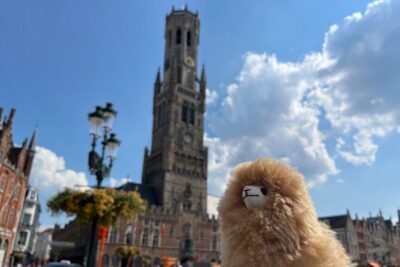
You also pass the Groeninge Museum, Burg Square, and Markt Square. Markt was the economic heart of Bruges, and its guildhalls and Belfort tower make it one of the city’s essential views. The Belfort is one of Belgium’s best-known Gothic buildings, but this tour does not give you a separate tower visit.
You then get around two hours of free time. Use it carefully. You can have lunch, buy chocolates or souvenirs, take photographs, or join the optional canal trip for €8, paid when boarding the boat.
I like the boat as a use of free time because Bruges looks different from the water. Bridges, façades, and narrow canal edges make more sense when you see the city’s waterways at close range. Still, the boat is not included, and queues or timing may make it difficult to fit in a full meal and shopping as well.
Belgian chocolate, moules frites, and beer are the obvious local choices. With only two hours, choose one main activity rather than trying to do everything. A slow restaurant meal, canal ride, museum visit, and serious shopping session will not all fit comfortably.
Ghent and the art inside Saint Bavo Cathedral
The train then takes you to Ghent, located where the Leie and Scheldt Rivers meet. Ghent has a larger scale than Bruges, and the change is useful. You move from a compact canal town to a former port city shaped by trade, churches, guilds, and civic power.
The tour begins at Saint Bavo Cathedral. Its Gothic exterior and Baroque decoration are only the start. Inside, the route includes the marble choir, private chapels, Rubens’ painting of Saint Bavo entering the convent at Ghent, the Rococo pulpit, and frescoes in the Romanesque crypt.
The Adoration of the Mystic Lamb by the Van Eyck brothers is an optional extra costing €4. This altarpiece is one of the most important works of medieval European art, so I would treat the supplement as worthwhile if early Netherlandish painting interests you.
The limitation is time. You may need to choose between careful attention to the cathedral and keeping up with the group. Ask the guide how much time is available before paying the extra fee.
City Hall, the Belfort, and Ghent’s medieval center
From Saint Bavo Cathedral, the route continues to City Hall, where Gothic, Renaissance, and Baroque elements meet in one building. The mixed styles are a good reminder that Ghent was not built in a single period. Civic buildings changed as tastes, wealth, and political needs changed.
At the Market Hall, you see the Belfort Tower and the covered market. Nearby are Saint Nicholas Church, Saint James Church, and Saint Michael’s Church. Together, these buildings form a powerful view of Ghent’s medieval center, but the number of stops can make this part feel fast.
This is where a strong guide matters. Guides such as Louise and Louisa have been singled out for clear explanations, humor, patience, and the ability to make room for photographs. One guide was also praised for coping with children and stopping often enough for pictures. Those qualities are practical, not decorative, when a group is covering this much ground.
Graslei, Gravensteen, and Patershol
The old port of Graslei is one of Ghent’s finest viewpoints. The Leie River runs beside old guildhalls, creating a long, memorable view of water, façades, and medieval commerce. You will want photographs here, but watch the time because the final part of the walk still includes several substantial sights.
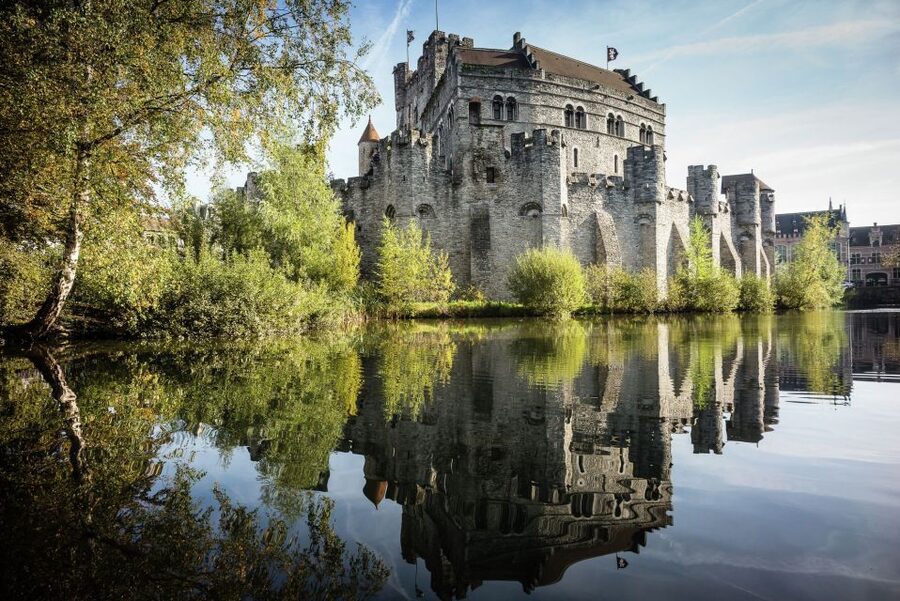
Castle Gravensteen gives Ghent its most dramatic stop. The medieval fortress was once home to the Counts of Flanders. From the outside, it provides a strong sense of the city’s political power. The supplied program does not promise a full interior visit, so do not assume you will have time to explore every room.
The walk then reaches Patershol, a district of brick buildings where restaurants and cafés serve Flemish food. It is a useful place to understand Ghent as a city that still eats and lives among its old structures, rather than as an open-air museum.
The final stop is the 15th-century Great Butchers’ Hall, one of Europe’s oldest meat markets. It adds a practical note to the day. Medieval cities depended on organized food markets, and this building connects grand churches and castles with ordinary urban life.
What the long day feels like
The physical demand is real. You will walk on uneven surfaces through two city centers, use public transport, enter large churches, and keep moving to meet the train schedule. Wear comfortable shoes, and do not save your least supportive pair for this day.
Several past departures received high marks for the guides, humor, history, and organization. The same pattern comes through clearly: people liked the day, but many found it tiring. That is not a flaw hidden in the fine print. It is the central choice you are making.
The tour suits you if you are in Brussels for a short stay, want an overview before choosing where to return, or prefer having local context while you walk. It is also useful if arranging two train journeys and city routes feels like unnecessary work.
It suits you less if you want long museum visits, extended meals, horse rides, several canal trips, or unhurried photography. One day can show you the shape of both cities, but it cannot give you the full experience of either.
The group may have the option to return with the guide at the planned time or stay longer in Bruges and make your own way back, if the group is small. That flexibility is valuable, but only choose it if you are comfortable managing the later train journey yourself.
My verdict on the $82 price
At $82, the tour offers reasonable value for a first look at two of Belgium’s best-known cities. The guide adds context to buildings you might otherwise photograph without understanding, and the train connection removes much of the planning work.
The extras are modest but should be included in your budget. The Bruges boat costs €8, and the Van Eyck altarpiece costs €4. Lunch, chocolate, beer, and other purchases are also on you.
I would not buy this as a substitute for staying overnight in Bruges or Ghent. I would buy it as a practical sampler. You get the grand views, the key churches, the famous squares, and enough free time to decide where a slower return visit belongs.
Should you book this day trip?
Book it if you want maximum sightseeing in one day, like walking tours, and are happy to accept a quick pace. It is especially useful from Brussels, where the train makes both cities easy to reach but planning both routes yourself takes time.
Skip it if you already know Bruges and Ghent, or if your ideal day includes museums, long lunches, and wandering down side streets without watching the clock. For first-time visitors with sturdy shoes and realistic expectations, this is a solid introduction, with the guide’s personality often making the difference.
FAQ
How long is the Bruges and Ghent day trip?
The activity lasts about 10 hours. The schedule includes travel by train from Brussels, guided visits in Bruges and Ghent, and free time in Bruges.
Where does the tour meet in Brussels?
Meet at the Grand Place, in front of the Tourist Information Office. The guide will be holding a white umbrella.
What time does the tour depart?
The information gives a meeting time of 08:30 and also states a 09:30 departure on Sunday. Confirm the exact starting time when booking.
Which languages are available?
The live guide service is available in English, Spanish, and French.
Is transportation included?
Yes. Round-trip transportation from Brussels and the guided tour are included.
Is the Bruges canal boat included?
No. The optional canal boat costs €8 per person, paid when you board.
Does the tour include the Van Eyck altarpiece?
Entry to The Adoration of the Mystic Lamb by the Van Eyck brothers is optional and costs €4.
How much free time is available in Bruges?
The schedule allows about two hours of free time for eating, souvenirs, and an optional boat trip.
What should I bring?
Bring comfortable shoes. The tour involves extensive walking on uneven surfaces.
More 1-Day Tours in Brussels
- From Brussels: Bruges Day Trip with Boat Tour Option (ES)
★ 4.7 · 1,171 reviews - Bruges and Ghent Day Trip from Brussels
★ 4.5 · 784 reviews - Bruges Day Trip from Brussels
★ 4.5 · 619 reviews - Amsterdam Day Trip from Brussels With Cheese, Clogs and Windmills
★ 3.5 · 521 reviews
More Full-Day in Brussels
- From Brussels: Full-Day Antwerp and Ghent Guided Tour
★ 4.6 · 1,019 reviews - Private Full-Day Tour Bruges & Ghent from Brussels with tastings
★ 4.5 · 38 reviews - Private Tour: Ghent and Bruges From Brussels Full Day
★ 4.5 · 23 reviews - Private tour : Treasures of Flanders Ghent and Bruges from Brussels Full day
★ 4.5 · 19 reviews
Just added around Brussels
- Standard vehicle from Brussels airport to city of Antwerp★ 5.0 · 4 reviews
- Luxury Minivan from Brussels airport to the city of Brussels★ 4.0 · 7 reviews
- Transfer Brussels Airport (BRU) –> City Center 7 PAX (ONE WAY)★ 5.0 · 7 reviews
- Luxury vehicle from Brussels airport to the city of Brussels★ 4.0 · 5 reviews
- Transfer Brussels Airport –> Brussels MB V Class 7 PAX (ONE WAY)★ 5.0 · 4 reviews
- Transfer Brussels Airport –> City MB E Class 1-3 PAX (ONE WAY)★ 5.0 · 6 reviews
- PRIVATE MPV TRANSFER FROM/TO BRUSSELS AIRPORT (Max 6 pax) ONE-WAY★ 5.0 · 4 reviews
- Waterloo Private Battlegrounds Tour with Lion Hill★ 4.5 · 9 reviews
Full-Day, compared.
Private Full-Day Tour Bruges & Ghent from Brussels with tastings
Read our review →
Private Tour: Ghent and Bruges From Brussels Full Day
Read our review →
From Amsterdam: Cologne & Antwerp Full-Day Tour
Read our review →
Private tour : Treasures of Flanders Ghent and Bruges from Brussels Full day
Read our review →Browse the lists this tour appears in