
Reviewed · WWI BATTLEFIELD TOURS
From Brussels: Flanders Fields Remembrance Full-Day Trip
Flanders Fields is not a sightseeing stop you rush through between cafés. It is a broad memorial ground where trenches, cemeteries, and monuments help you grasp the terrible scale of the First World War. This full-day trip from Brussels links the major places around Ypres, including Passchendaele, Tyne Cot Cemetery, Essex Farm, and Menin Gate.
I like the way the day combines outdoor battle sites with the In Flanders Fields Museum, and I like the closing ceremony at Menin Gate, where the Last Post is played each evening. The main drawback is time: with up to 13 hours on the road, a stop in Bruges on some departures, and limited time at the museum, this is a demanding schedule rather than a relaxed day out.
Key points to know before booking
- Passchendaele puts you at the center of one of the First World War’s most notorious battles.
- Tyne Cot Cemetery is the largest Commonwealth cemetery in the world, with British, Irish, Australian, and Canadian soldiers buried there.
- Essex Farm is linked to John McCrae’s poem In Flanders Fields.
- The Brooding Soldier remembers about 2,000 Canadian soldiers killed during the first German gas attack.
- Menin Gate’s 8 p.m. Last Post Ceremony gives the day a quiet and fitting close.
- The museum visit can be short, sometimes around 35 minutes to one hour, so serious museum readers may want more time.
Why this Flanders Fields day matters
The First World War can feel abstract when you read about dates, offensives, and casualty figures. Around Ypres, those events become physical. You see the ground where troops fought, the cemeteries where they were buried, and the memorials built by families and nations trying to make sense of an industrial-scale disaster.
The guide begins explaining the causes of the war while you leave Brussels. This is useful because the day is not only about battlefield stops. You get an introduction to the political tensions that led to the conflict, followed by an explanation of how the fighting spread and settled into years of trench warfare.
Guides such as Diedrich, Stefan, and Steffen have led this route, and the quality of the day depends greatly on who is holding the microphone. The strongest guides bring in personal stories, explain the politics behind the fighting, and connect each location to the men who served there. You should expect a spoken history lesson on the coach, not just directions from one stop to the next.
More WWI Battlefield Tours in Ypres
- From IEPER Private 4-hour Tour of the Ypres Battlefield
★ 5.0 · 154 reviews - In Flanders Fields and Passchendaele Half Day Morning Tour
★ 5.0 · 117 reviews - Ypres: An exploration of the deadly salient battlefields
★ 5.0 · 76 reviews
Leaving Brussels for the Ypres Salient
The official meeting point is on Boulevard de Berlaimont, outside the National Bank of Belgium. Look for the Keolis coach and the tour staff. The tour ends back at the central meeting point, with no hotel pickup or drop-off.
The transfer toward Flanders takes roughly two hours. That sounds long, but it gives the guide time to set the scene. A map-based explanation of the front can help you understand why the sites are spread across the countryside and why Ypres became such an important target.
You should also know that some departures include a detour through Bruges to collect additional passengers. This can add about two hours to the day, including the return journey. It is not always clear from the basic Brussels departure details, so check the exact route before booking if you want to avoid a longer coach ride.
The coach is described as comfortable, which matters here. You will spend a large part of the day seated between stops. Bring water, wear comfortable shoes, and prepare for changing weather. Several stops are outdoors, and the tour is not designed for wheelchair users or people with limited mobility.
The Brooding Soldier and the old trench sites
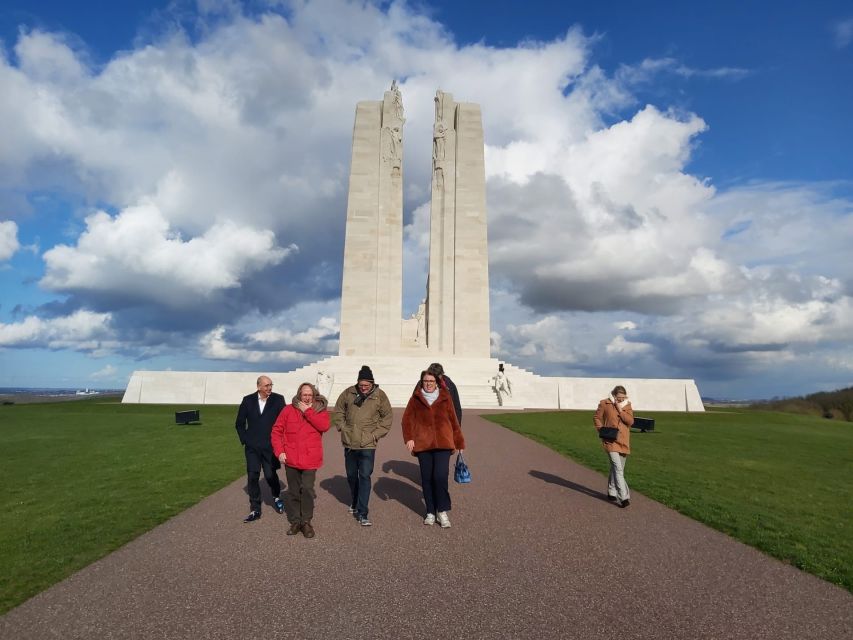
One of the most affecting early stops is the Brooding Soldier monument. The statue commemorates roughly 2,000 Canadian soldiers who died during the first German gas attack.
This is a good place to pause rather than treat the monument as a quick photo stop. The statue’s mood is restrained, and that restraint suits the subject. It does not try to turn the battlefield into a grand spectacle. Instead, it asks you to think about the soldiers who faced a weapon few had seen before.
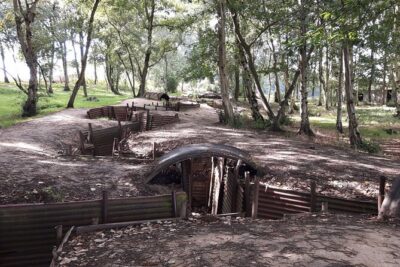
The route also includes a section of First World War trenches. The remains are not a complete trench system you can explore for hours, but they help you picture the cramped defensive lines described during the coach commentary. Hill 60 is nearby, a position dug by tunnelling companies of the Royal Engineers before it was taken by German forces.
These places work best when the guide explains the ground in front of you. Without that context, a trench remnant or low hill can look ordinary. With a map and a clear account of the fighting, the same patch of earth becomes much easier to understand.
Passchendaele, where the battlefield becomes real
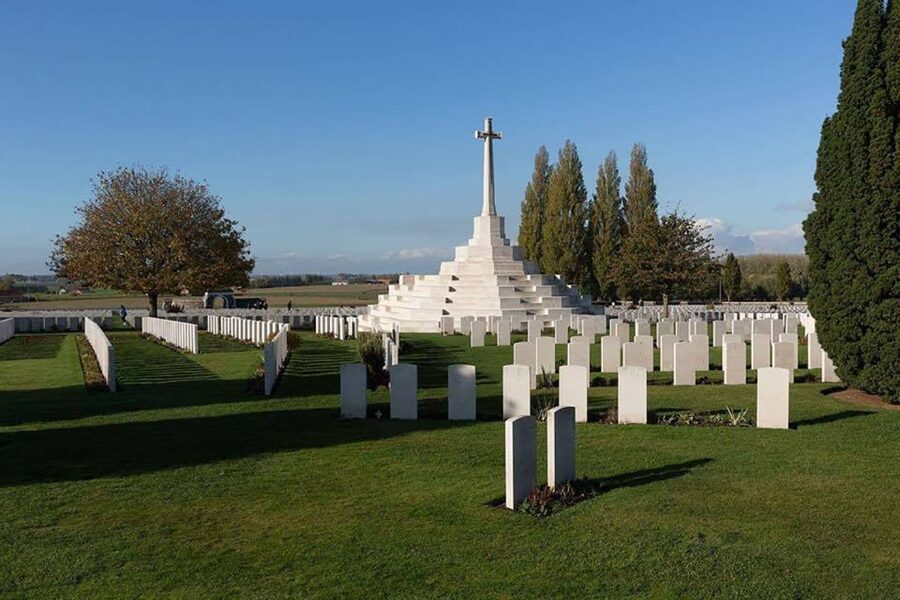
Passchendaele is one of the day’s main stops. The name is closely tied to the Third Battle of Ypres, remembered for mud, artillery, exhaustion, and enormous losses.
The visit is less about finding a single dramatic ruin and more about standing in the area where the battle unfolded. The guide’s explanation gives the site its meaning. You learn how difficult it was for troops to advance through heavily shelled ground and how the battle became a symbol of the war’s waste.
The stop also shows why a guided visit is useful. Flanders Fields is spread across a wide area, and many important positions do not look obviously historic. A local guide can point out the relationship between villages, ridges, cemeteries, and former defensive lines.
This is not a gentle countryside excursion. The subject matter is grim, and the day includes repeated reminders of death. That is precisely why the tour suits people with a serious interest in military history, family history, or remembrance.
More Flanders Fields battlefield days from Ypres:
- Small Group Ypres Remembrance Day Filled With War History
★ 5.0 · 31 reviews - From Ypres, The Christmas Truce to Passchendaele Ypres Based WW1 private tour
★ 5.0 · 29 reviews - In Flanders Fields and Passchendaele Grand Tour
★ 5.0 · 25 reviews - From Ypres: WWI Battlefields Private Tour
★ 5.0 · 25 reviews
Tyne Cot Cemetery and the cost of the fighting
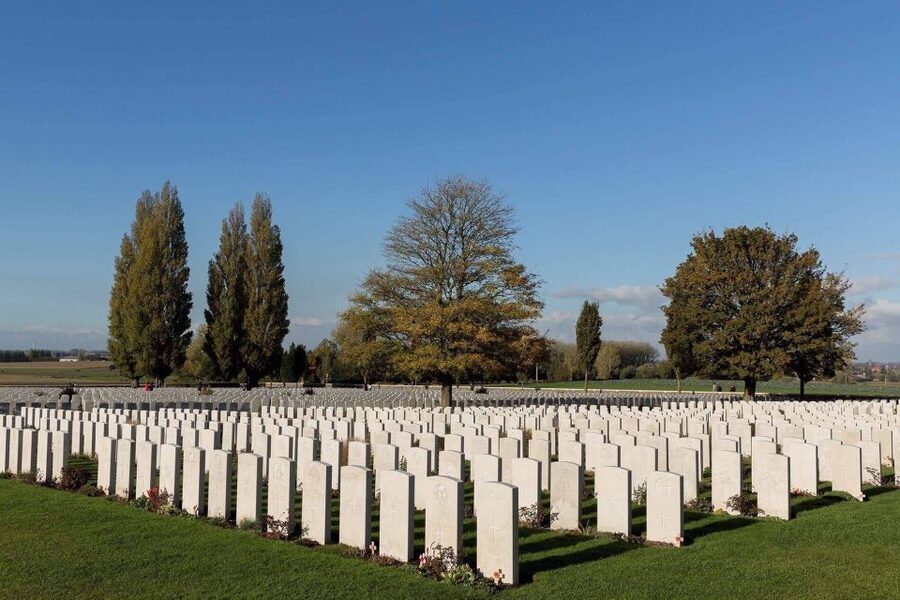
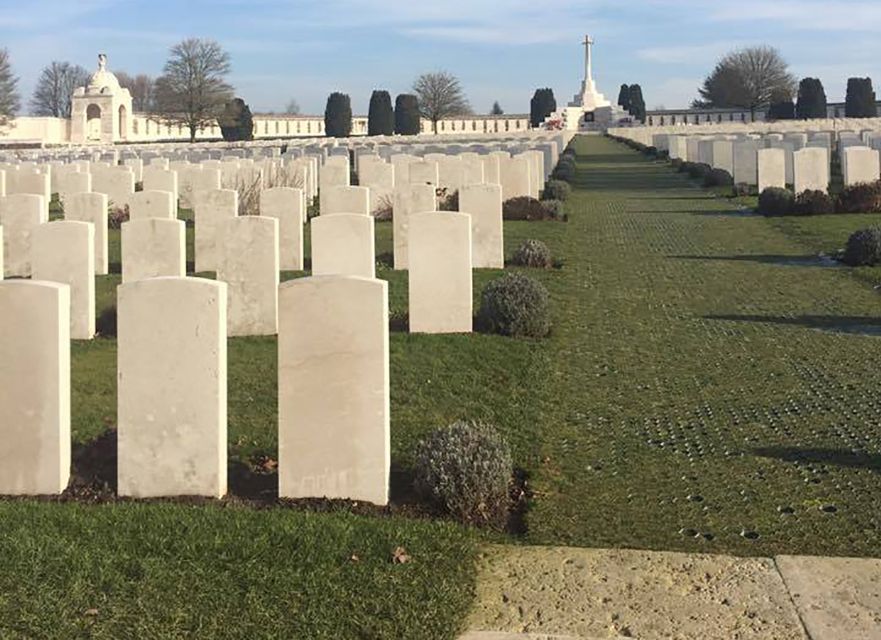
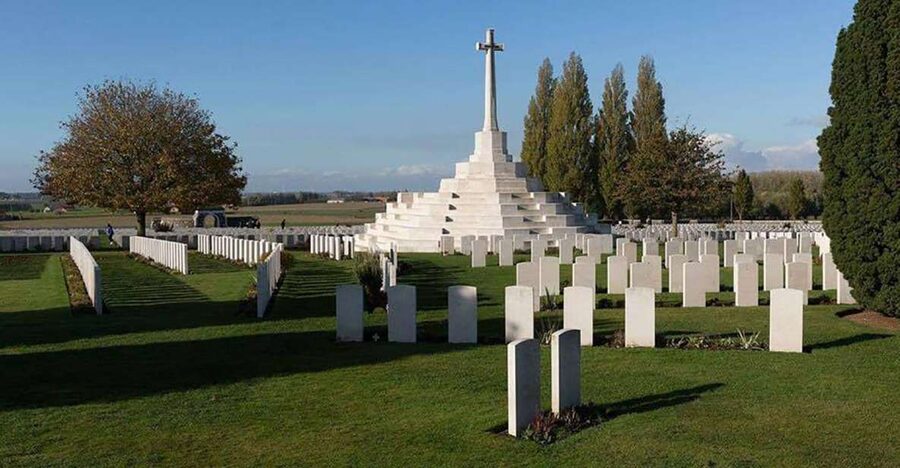
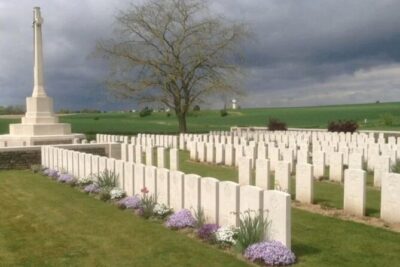
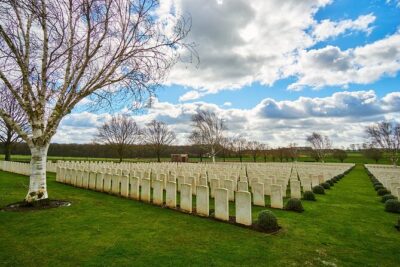
Tyne Cot Cemetery is one of the strongest stops on the route. It is the largest Commonwealth cemetery in the world, with British, Irish, Australian, and Canadian servicemen buried there.
The scale is difficult to absorb at first. Rows of headstones make the number of dead visible, but the individual inscriptions keep the site personal. You can take time to read names, look across the cemetery, and consider how many families were affected by battles fought far from home.
This is a place where you should allow yourself quiet time. The guide provides the wider story, but the cemetery itself deserves attention without constant commentary. If you have a family connection to the First World War, bring any names or unit information you have. The tour does not promise genealogical research, but the visit can carry special weight when you know someone connected to the area.
Tyne Cot is also a reminder that the Commonwealth war effort included troops from across the British Empire and Commonwealth. The grave markers reflect that wide reach, making the cemetery more than a British military site.
Essex Farm and the poem In Flanders Fields
At Essex Farm Cemetery, you visit the field hospital where Canadian surgeon John McCrae wrote the famous poem In Flanders Fields.
The stop connects medical work, personal loss, and remembrance. McCrae wrote the poem after seeing the effects of the fighting around Ypres, and the words later became closely associated with wartime memory, especially in Canada and other Commonwealth countries.
Essex Farm is smaller in feel than Tyne Cot, and that change in scale is welcome during such a packed day. You can focus on the field hospital connection and the story behind the poem rather than taking in another enormous cemetery.
The tour’s sequence works well here. After seeing major battlefield areas and the vast cemetery at Tyne Cot, Essex Farm brings the war back to one doctor, one hospital, and one piece of writing that outlasted the conflict.
Lunch and a short stop in Ypres
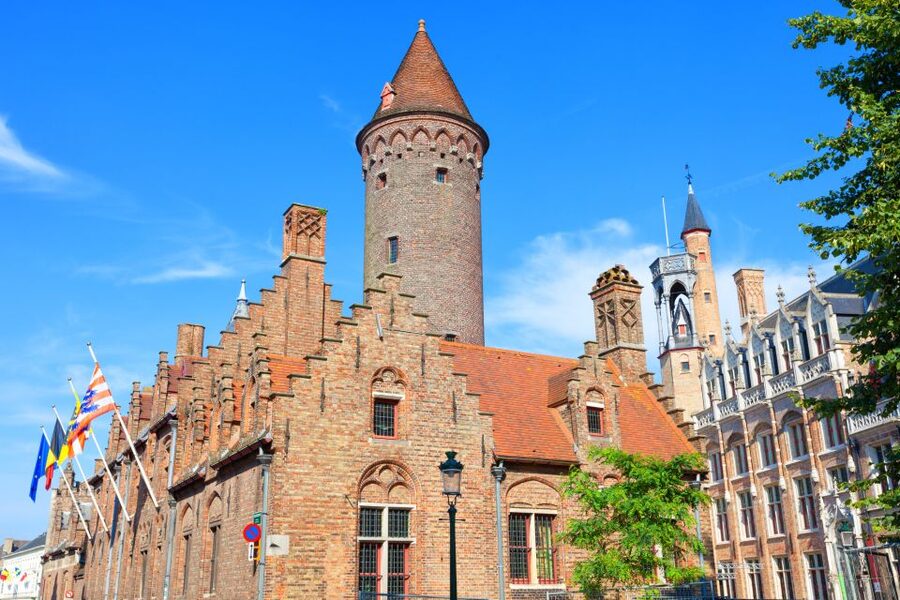
Ypres is the main town visit. You have time for lunch, a short break, and a look around before or after the museum.
Plan this part carefully. The schedule is tight, especially if the museum visit lasts only 35 minutes to one hour. A sit-down meal may feel rushed, and some people have had to hurry food because the group needed to keep moving. If you want a proper lunch, choose quickly and keep an eye on the meeting time.
Food arrangements are not fully clear from the basic tour details, so budget for your own meal and snack unless your booking confirmation says otherwise. One account of the day included a meal and drink, while the general inclusions list only the guide, coach, and museum entrance. Treat lunch as an expense that may not be covered.
Ypres itself deserves more time than this itinerary can provide. The town was heavily damaged during the war and rebuilt afterward, and its wartime memory is central to the day. You will see enough to understand its importance, but this is not a full city tour.
In Flanders Fields Museum: excellent, but allow more time
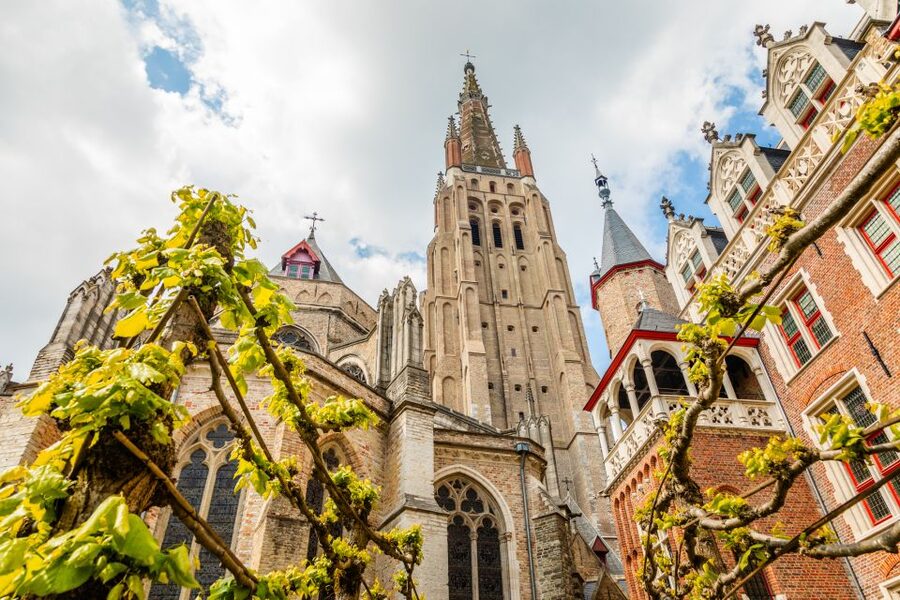
The In Flanders Fields Museum is the indoor centerpiece of the trip. It presents the First World War through the experience of the Ypres Salient and the people caught in the conflict.
The museum helps pull together what you have seen outdoors. After standing in cemeteries and at battlefield sites, the exhibits can add names, photographs, objects, and personal accounts. It is especially useful if you are new to the subject and need a clear explanation of trench warfare and the four years of fighting.
The weakness is the schedule. Some departures allow about one hour, and others may leave only around 35 minutes. That is enough for a quick visit, but not enough to read everything or explore at an unhurried pace.
If you already know a lot about the First World War, you may find the guide’s spoken material fairly broad, with some repeated points. The museum’s displays can offer more detail than the group commentary. I would prefer two hours here, but the current route has many outdoor stops and must reach Menin Gate for the evening ceremony.
The Last Post at Menin Gate
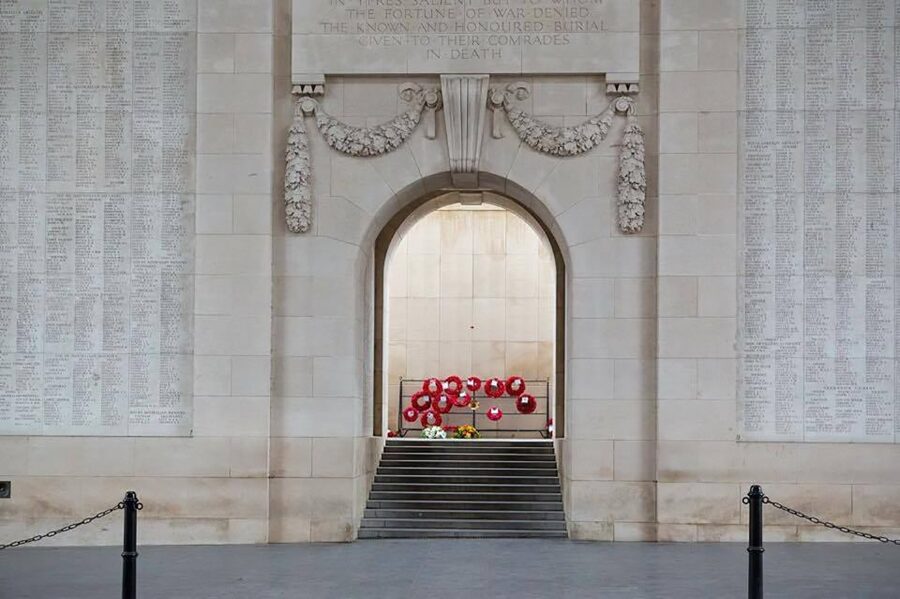
The day finishes at Menin Gate in Ypres for the 8 p.m. Last Post Ceremony. This daily tribute honors Commonwealth officers and soldiers who went missing after the battles in the area.
It is a simple ceremony, which is part of its strength. After a day filled with battle dates and casualty figures, the final tribute brings the focus back to remembrance. You stand beneath the memorial arch with the names of the missing around you, and the sound of the Last Post gives the day a clear ending.
Arrive ready to be still and respectful. The ceremony is not a performance designed for sightseeing. It is an act of remembrance that has continued as a daily tradition, and it carries particular weight after visiting the surrounding cemeteries.
The timing also makes the return journey late. With transfers back toward Brussels and possible passenger drop-offs in Bruges, you may not return until well after a normal dinner hour. Plan your evening lightly.
Is $107 good value for a 13-hour day?
At about $107 per person, this is not the cheapest way to see Flanders Fields, but the price is reasonable if you want transport, a professional English-speaking guide, and admission to the In Flanders Fields Museum in one package.
The coach saves you from arranging several rural stops yourself. Public transport is not an easy fit for a route that links Passchendaele, Hill 60, Tyne Cot, Essex Farm, Ypres, and Menin Gate in one day. A private rental car would give you more control, but you would need to study the battlefield, cemetery, and memorial locations in advance.
The value depends on your priorities. If you want time to study every museum display, eat slowly, or explore Ypres on foot, the schedule will feel too tight. If you want a broad introduction to the major sites without driving, the day gives you a lot for the money.
Free cancellation up to 24 hours before departure and the option to reserve now and pay later make the booking less risky. The tour can be canceled if too few people book, so keep that possibility in mind if your schedule depends on this exact day.
Who should book this tour?
I would choose this trip if you are visiting Brussels without a car and want to see the main First World War sites around Ypres in one day. It is also a strong fit for family-history research, especially if relatives served in Belgium, Canada, Britain, Ireland, or Australia.
The tour suits first-time visitors to Flanders Fields particularly well. The guide fills in the map, explains the political background, and links the separate sites into one story.
You may want another option if you are an experienced military historian. The commentary can be general rather than unit-by-unit, and the museum time may be too short for your interests. A private or specialist battlefield tour would allow more time at selected positions and more detailed discussion of individual formations.
Keep in mind that this is not suitable for wheelchair users or people with limited mobility. You will need comfortable shoes and enough stamina for a long day of walking, standing, coach travel, and outdoor visits.
Final verdict: a moving overview with a packed schedule
Book this tour if you value coverage and context more than free time. You will see the key memorials, cemeteries, battlefield areas, museum, and evening ceremony without having to manage the transport yourself.
I would not book it for a leisurely day in Ypres, nor if a two-hour Bruges detour would frustrate you. But for a first visit to Flanders Fields, especially one centered on remembrance, the route is powerful and well planned. The Brooding Soldier, Tyne Cot, Essex Farm, and Menin Gate each show a different side of the war, and together they make the long coach day worthwhile.
FAQ
How long does the Flanders Fields tour last?
The tour lasts about 13 hours. Check the selected date for the exact starting time.
Where does the tour begin?
Meet outside the National Bank of Belgium at Bd de Berlaimont 18. Look for the tour staff and Keolis coach.
Where does the tour end?
The activity ends back at the meeting point near Brussels Central Station.
Is hotel pickup included?
No. Hotel pickup and drop-off are not included.
What language is the tour conducted in?
The live tour guide speaks English.
Which museum is included?
Admission to the In Flanders Fields Museum in Ypres is included.
Does the tour visit Tyne Cot Cemetery?
Yes. Tyne Cot Cemetery is included, and it is described as the largest Commonwealth cemetery in the world.
Can I attend the Last Post Ceremony?
Yes. The itinerary includes the 8 p.m. Last Post Ceremony at Menin Gate.
Is the tour suitable for wheelchair users?
No. The tour is not suitable for wheelchair users or people with limited mobility. Comfortable shoes are recommended.
More 1-Day Tours in Ypres
- From LIlle or Bruges, Christmas Truce to Passchendaele Ypres 1 day WW1 private
★ 5.0 · 5 reviews - From Brussels: Guided Day Trip to Bruges and Ghent
★ 4.6 · 8,353 reviews - From Amsterdam: Bruges Day Trip in English with Boat Option
★ 4.4 · 1,989 reviews - From Amsterdam: Bruges Day Trip in Spanish with Boat Option
★ 4.6 · 1,866 reviews
More Full-Day in Ypres
- Full Day Canadian WW1 Vimy and Somme Battlefield Tour from Ypres
★ 5.0 · 6 reviews - From Brussels: Full-Day Antwerp and Ghent Guided Tour
★ 4.6 · 1,019 reviews - From Amsterdam: Bruges Full-Day Tour
★ 4.3 · 519 reviews - From Brussels: Bruges and Ghent Full-Day Trip by Train
★ 4.3 · 103 reviews
Just added around Ypres
- From LIlle or Bruges, Christmas Truce to Passchendaele Ypres 1 day WW1 private★ 5.0 · 5 reviews
- In Flanders Fields and Passchendaele Grand Tour★ 5.0 · 25 reviews
- Discover Tournai while playing! Escape game – The alchemist★ 4.0 · 3 reviews
- PRIVATE Australian Western Front Battlefields 3-Day Tour Ypres to Amiens★ 5.0 · 3 reviews
- e-Scavenger hunt Ypres: Explore the city at your own pace★ 4.5 · 6 reviews
- From Ypres, The Christmas Truce to Passchendaele Ypres Based WW1 private tour★ 5.0 · 29 reviews
- Full Day Canadian WW1 Vimy and Somme Battlefield Tour from Ypres★ 5.0 · 6 reviews
- From Ypres 4hr Christmas Truce and Monster Mines of Messines PRIVATE Tour★ 5.0 · 5 reviews
WWI Battlefield Tours, compared.
Great War Flanders Fields Minibus Tour w/ Lunch
Read our review →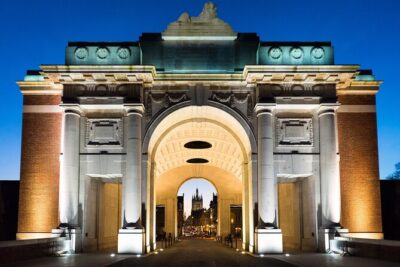
Flanders Fields Remembrance Tour from Brussels
Read our review →
In Flanders Fields and Passchendaele Half Day Morning Tour
Read our review →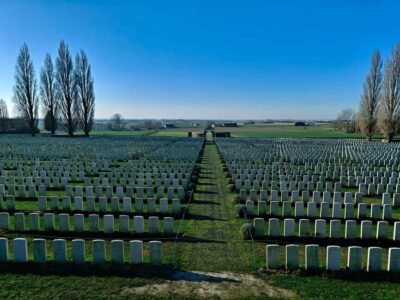
An exploration of the deadly salient battlefields
Read our review →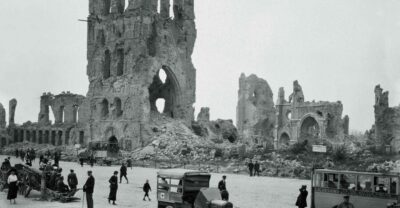
Small Group Ypres Remembrance Day Filled With War History
Read our review →Browse the lists this tour appears in