Reviewed · CHOCOLATE TOURS & WORKSHOPS
2-Hour Historical Walking Tour in Bruges with Praline Included
Bruges comes alive when you walk it with someone who can connect the grand squares to the odd little stories behind them. This two-hour route moves from Burg Square and the Markt through canals, medieval lanes, churches, breweries, and old trade quarters, with guides such as Peter and Joost adding humor and local detail.
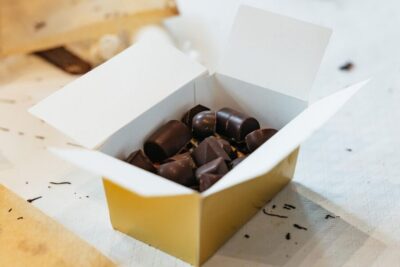
I like the brisk overview and the small touches: a Guild of Bruges Chocolatiers praline when the shop is open, plus practical advice on places to eat and drink. I also like that the route includes the famous photo spots, but does not stop there. You hear about beer, medicine, tanners, war, prostitution, Flemish painting, and the city’s swans.
The main consideration is that the advertised price of $3.63 is unusually low because the experience is tip-based. You should budget for a fair tip if the guide gives you the lively, two-hour introduction the tour promises.
Key points at a glance
- A full old-town circuit: The walk begins and ends at Burg Square, taking in the Markt, Boniface Bridge, Rosary Quay, Vismarkt, and many smaller lanes.
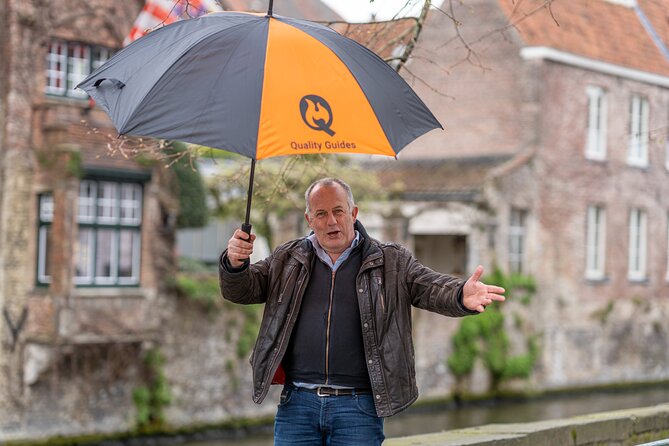
- Local guides with personality: Peter and Joost are named guides, and the tour leans on humor, stories, and practical recommendations rather than a dry list of dates.
- More than pretty buildings: Expect stories about beer, medieval medicine, war, tanners, the red-light district, Flemish art, and the darker side of Bruges.
- A useful first-day orientation: The route gives you a clear sense of the historic center and helps you choose which museums, churches, cafés, or breweries to revisit.
- A very low headline price: The $3.63 charge is best understood as a small booking fee for a tip-based walk, not the full cost of the guide’s work.
- Comfortable but active: Rest stops, drinking water stops, and public toilets are provided, but you still walk through much of central Bruges over two hours.
Why this Bruges walk works as an introduction
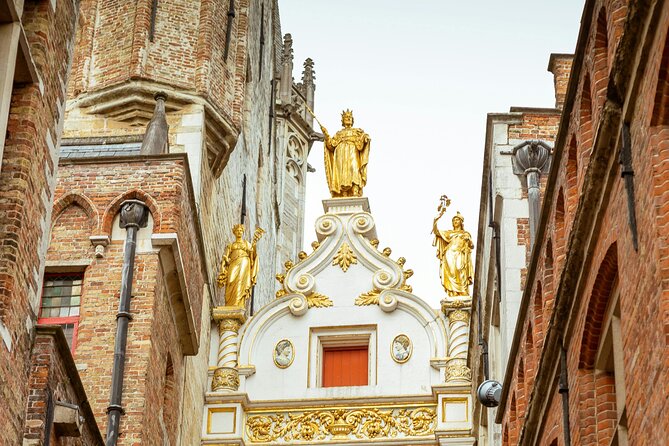
I like starting a visit to Bruges with a tour like this because the city can feel almost too pretty at first. You see brick façades, canals, pointed roofs, and horse-drawn carriages, but it takes context to understand why the city grew wealthy, why it later declined, and how ordinary trades shaped the streets.
This route gives you that context without requiring a full day. It is designed for about two hours and visits a long list of places, but most stops are short. That means you will hear the main story of each site, take in the view, and keep moving.
The guides are a major part of the experience. Peter is described as a Bruges local who left a full-time job to lead tours, while Joost is also praised for clear English, energy, and storytelling. The tone is informal. You get history, but you also get jokes, unusual customs, food suggestions, and advice on what deserves a closer look later.
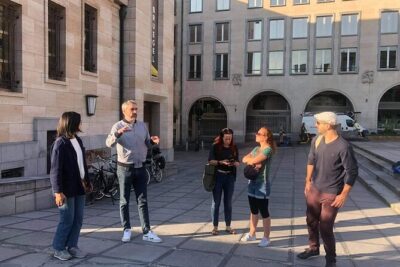
The walk is offered in English. The stated group limit is six people, which should make it easier to hear the guide and ask questions. One account describes a larger group, so group size may vary in practice, but the advertised maximum is six.
More Chocolate Tours in Bruges
- Bruges: Choco-Story Chocolate Museum Guided Tour w/Tastings
★ 4.2 · 1,379 reviews - Belgian Chocolate Workshop in Bruges
★ 5.0 · 660 reviews - Bruges: Belgian Praline and Mendiants Chocolate Workshop
★ 4.7 · 620 reviews
Burg Square and the Markt: Bruges begins in public
The tour starts at Markt 4 and returns to the same meeting point. The opening stop is Burg Square, where the guide places the city’s beginnings in context.
Burg is not just another handsome square. It gathers several centuries of Bruges in one view, with civic and religious buildings close together. At the end of the walk, you return here for the town hall, the Blood Chapel, and the courthouse, allowing the tour to finish where it began.
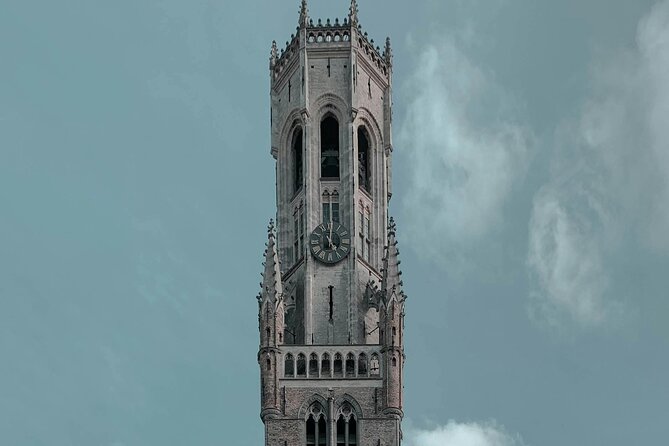
The Markt offers the postcard Bruges most people expect. You see the Belfry, the former cloth halls, water halls, and medieval buildings around the market square. The stop is short, about five minutes, so do not expect a full architectural lecture. Instead, you get the basic explanation of why trade made this square so important.
At the Belfort, the guide explains the tower’s beginnings, its present problems, and the wealth once tied to the cloth halls. The point is useful: Bruges was not built on scenery alone. Its fortunes came from commerce, textiles, shipping, and access to wider European markets.
War, Gruuthuse, and the story of Bruges beer
The stop at Praalboog Pro Patria shifts the tone. Here, the guide covers Belgian independence and Bruges during the First and Second World Wars. It is a reminder that this medieval-looking city did not remain frozen in the Middle Ages.
At the Gothic gate of Gruuthuse, you hear about the companies that run canal tours and the role of the Gruuthuse family. The nearby Gruuthusemuseum provides one of the prettiest settings on the route: a Gothic castle courtyard.
The beer story here is especially memorable. The guide explains how the resident of Gruuthuse became wealthy through Gruut, and why brewing later moved from Gruut to hops. I like this stop because it connects a grand house to a very practical business: controlling the ingredients and production of beer could bring serious money.
You should not expect entry into every museum or building on the route. The tour uses exterior views and courtyards, and the listed stops do not include admission tickets. That keeps the walk quick and inexpensive, but you will need to return on your own if you want extended museum time.
Art and medicine from Our Lady’s Church to Saint John’s Hospital
At the Church of Our Lady, the guide points out the church and its important artworks, including the Pietà. Bruges is one of the best places in Belgium to connect architecture with the Flemish painting tradition, and this short stop helps you decide if you want to spend more time inside.
The nearby Saint John’s Hospital adds a different kind of history. The guide explains medieval medicine and links it to the creation of pralines. That connection gives the included chocolate a little more meaning than a routine sweet handed out at the end.
The praline comes from the Guild of Bruges Chocolatiers, but only if the relevant shop is open. That condition matters. Treat it as a pleasant extra, not a guaranteed replacement for dessert.
From Sint-Janskaai, the group pauses beside the water for a photograph with a medieval backdrop. The stop is about five minutes, and it offers a useful break from buildings and dates. Bruges is a compact city, yet the water views help you see how much its appeal depends on the relationship between streets, bridges, and canals.
More Historical Tours in Bruges
- Historical Walking Tour: Legends of Bruges
★ 5.0 · 2,541 reviews - THE Storytelling Tour of Bruges | First Day Must | History & Tips
★ 5.0 · 925 reviews - 💛 Tell Me About Bruges 🏰 1000 Years of Stories by Locals ⭐
★ 4.9 · 528 reviews - Historical Walking Tour: The Story of Bruges – by Legends
★ 4.7 · 483 reviews
Walplein, De Halve Maan, and Bruges after dark
At Walplein, you see Huisbrouwerij De Halve Maan, the famous brewery associated with a pipeline under the city. The guide brings the beer story into the present, showing that Bruges still has a working brewing culture rather than only old façades.
The route then turns into Stoofstraat, described as the smallest street in Bruges. This is one of the more unusual stops. You hear about the medieval red-light district, local customs, and the darker side of the city’s swans.
That combination is typical of the walk. It does not present Bruges as a spotless fairy tale. You get the charming bridges and canals, but also sex work, foul trades, disease, war, and social rules. I find that balance useful because it makes the city feel like a real place shaped by people, money, fear, and pleasure.
At Katelijnestraat, the guide points out chocolate, waffles, and fries, then turns to plague and the darker days of Bruges. This is a practical food stop as well as a historical one. You can mark down places to return to after the walk, though the tour itself is not a tasting tour beyond the praline.
Boniface Bridge and Flemish painting
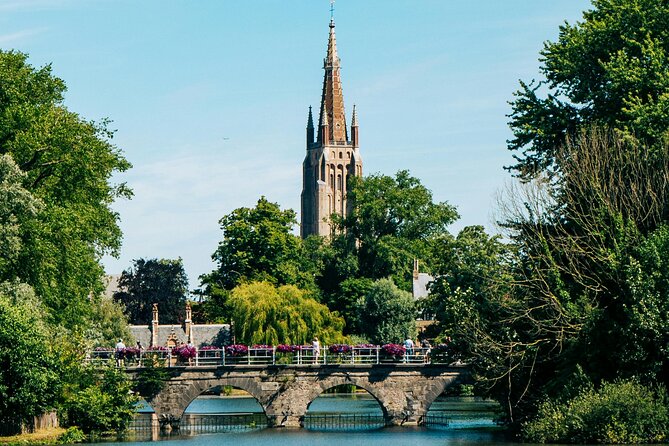
Boniface Bridge is one of the city’s most photographed spots, and the tour gives it about ten minutes. You hear why it is known as a bridge of love, along with the less romantic details attached to it.
The setting is especially attractive because of the medieval gardens around the bridge. If you want a quiet photo, this is one of the places to pay attention. The tour moves on, so you may want to return later when you can take your time.
The Groeningemuseum brings the route to the Flemish Primitives. The guide introduces Jan van Eyck, Hans Memling, Hugo van der Goes, Gerard David, and other 15th-century painters whose work is held in Bruges.
Five minutes is enough to explain why the museum matters, but not enough to see the collection. I would treat this as a preview. If you care about painting, plan a separate visit and use the tour’s introduction as a map for what to look for.
The walk also passes the Dijver, identified as Bruges’ oldest port. The guide connects it with Viking activity and the movement of loot toward Scandinavia, while also pointing out a well-known terrace with a fine view. This is a good example of how the tour layers a quick historical fact onto a place you might otherwise pass without notice.
Rosary Quay and the best single photo stop
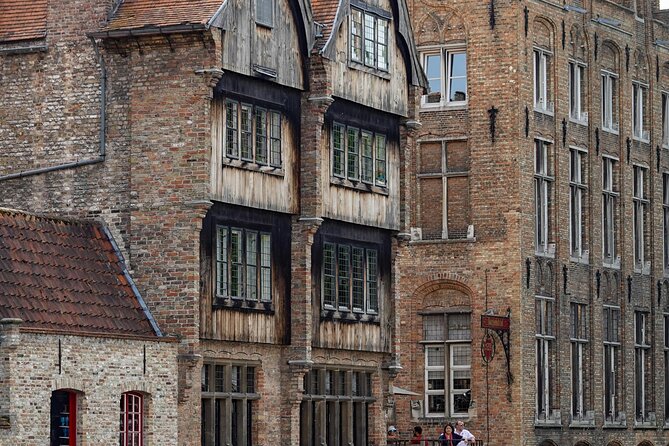
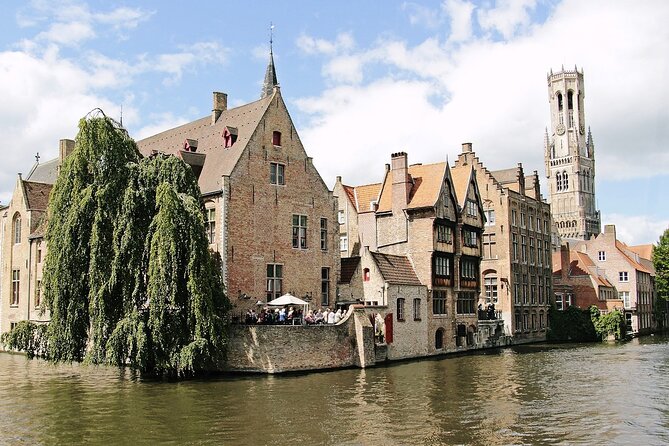
Rosary Quay is the classic Bruges viewpoint. From here, you can frame the Belfry and the Church of Our Lady in one photograph, with the canal and old façades completing the scene.
The location also has a film connection. The hotel nearby is associated with the scene in which Colin Farrell’s character jumps from a window in In Bruges. If you know the film, that detail adds a little fun. If you do not, the view still earns the stop.
This is one place where the guide’s timing matters. A local guide can point out the right angle and keep the group moving before the route becomes crowded. Still, if photography is your main goal, plan to return after the tour for a slower look.
Tanners, fish markets, and the return to Burg Square
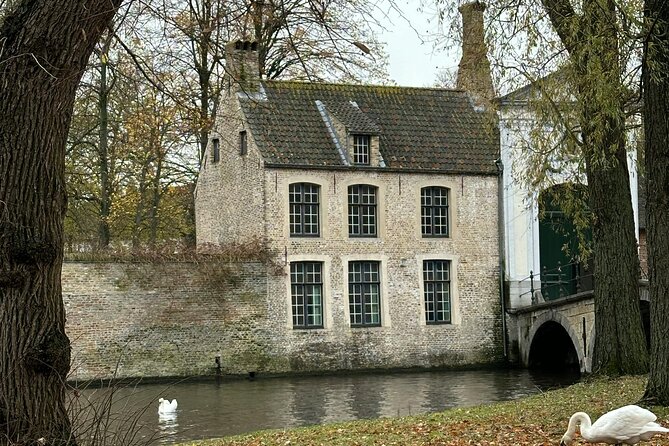
At Huidenvettersplein, the guide tells the story of medieval tanners. It was one of the foulest jobs in the city, and the square was once among its dirtiest and least sanitary places. Today, the same area is used for eating and drinking.
That contrast is worth remembering. Bruges’ most polished squares often had practical, unpleasant uses in the past. The tour repeatedly asks you to look beneath the picturesque surface.
Vismarkt brings another trade story. The two fish markets were intended for two different kinds of people, according to the old social division explained here. From the square, you can see Gothic, Renaissance, and Classicist styles close together, making this a handy stop for understanding how Bruges changed over time.
The final visit to Burg Square gathers the city’s civic story in one place. The town hall, Blood Chapel, and courthouse represent different parts of public life, and the guide closes with several true stories tied to the square.
Because the walk ends where it starts, you are well placed to continue on foot. You can return to the museum, church, brewery, or food street that caught your attention, or simply use the square as your next starting point.
What the price really means
At $3.63 per person, this is exceptional value if you compare it with a standard paid walking tour. But the low price needs a clear explanation: the guide’s income is tip-based.
You should not treat the listed price as the complete cost of the experience. If Peter, Joost, or another guide gives you two hours of useful history, good humor, food advice, and a well-paced route, plan to tip accordingly. Even after a fair tip, the tour can remain a strong value.
The tour is booked about 19 days in advance on average, so I would not leave it until the last moment during a busy visit. Confirmation is provided when you book, and cancellation is free up to 24 hours before the start time. Within 24 hours, the amount paid is not refunded, and changes are not accepted.
The tour includes rest stops, drinking water stops, and public toilets. You need moderate physical fitness, since the route covers much of central Bruges on foot. Service animals are allowed, and the route is near public transportation.
Who should book this Bruges walk?
I would choose this tour for a first visit, a short stay, or a cruise stop when you want a clear sense of Bruges before deciding where to spend your limited free time.
It suits solo visitors particularly well because the guide provides both company and practical suggestions. It can also work for families. One account describes a 16-month-old child needing breaks and movement, and the guide handled that without fuss. Still, you should expect a walking tour, not a child-focused activity.
The route also suits older visitors who prefer a gentle pace, provided they can manage two hours on foot. One guide is specifically praised for keeping a comfortable pace for senior participants.
You may want a different experience if you prefer long museum visits, a canal cruise, or a formal lecture focused on art alone. This walk gives you an overview. Its strength is range, humor, and local storytelling, not extended time inside any one attraction.
Should you book it?
Yes, if you want a lively orientation to Bruges and understand that the $3.63 price is tip-based. The best reasons to book are the broad route, the personal style of guides such as Peter and Joost, the mix of famous sights and odd stories, and the practical food and drink advice.
Go in expecting short stops rather than detailed visits. Wear comfortable shoes, allow for rain, and keep the praline in perspective since it depends on the shop being open. If you do that, this is a smart first step into Bruges, especially when your time is short and you want the city to make sense before you explore it on your own.
FAQ
Where does the Bruges walking tour start?
The tour starts at Markt 4, 8000 Brugge, Belgium.
Where does the tour finish?
The activity ends back at the meeting point.
How long does the walking tour last?
The tour lasts approximately two hours.
What language is the tour offered in?
The tour is offered in English.
Is a praline included?
A praline made by the Guild of Bruges Chocolatiers is included when the relevant shop is open.
Is the tour price tip-based?
Yes. The listed price is $3.63 per person, and the guide’s income is tip-based.
Are museum admission tickets included?
The listed stops show free admission, and the experience does not list paid museum entry as included. The route introduces places such as the Gruuthusemuseum and Groeningemuseum from the outside or nearby.
How many people can join the tour?
The stated maximum is six participants.
Can I cancel for a full refund?
Yes, if you cancel at least 24 hours before the experience start time. Cancellations or changes made less than 24 hours in advance are not refunded or accepted.
More 2-Hour Experiences in Bruges
- Bruges Private 2-Hour Walking Tour
★ 4.7 · 296 reviews - 2-Hour Medieval Walk and Chocolate Tasting in Bruges
★ 5.0 · 48 reviews - 2-Hour Private Walking Tour of Bruges
★ 5.0 · 13 reviews - Guided Bike Tour: 2 Hours Highlights of Antwerp
★ 5.0 · 347 reviews
More Walking Tours in Bruges
- Bruges: Small Group Boat Cruise and Guided Walking Tour
★ 4.8 · 4,102 reviews - Bruges: Walking Tour, Canal Boat Trip w/Beer Tasting Option
★ 4.4 · 2,759 reviews - Guided boat trip and walk
★ 4.5 · 703 reviews - Bruges: Guided Walking Tour
★ 4.5 · 682 reviews
Just added around Bruges
- 2-Hour Private Walking Tour of Bruges★ 5.0 · 13 reviews
- The Waffles ‘n Coffee Breakfast in Bruges Centre★ 4.5 · 9 reviews
- Ticket Expo Body Worlds in Bruges, Belgium★ 4.5 · 11 reviews
- Explore the Instaworthy Spots of Bruges with a Local★ 5.0 · 3 reviews
- Discover the secrets of Bruges by playing!★ 4.5 · 7 reviews
- Australian Battlefields Private Tour in Flanders from Bruges★ 5.0 · 15 reviews
- 6 Hour Bruges Shore Excursion from Zeebrugge Cruise Port★ 4.5 · 23 reviews
- Photo Tour “Jan van Eyck”★ 4.0 · 7 reviews
Chocolate Tours & Workshops, compared.
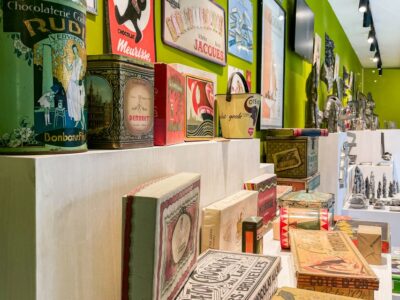
Choco-Story Brussels: Chocolate Museum Entrance with Tasting
Read our review →
Hungry Mary’s Famous Beer and Chocolate Tour in Brussels
Read our review →
Belgian Chocolate Making Workshop with Tastings
Read our review →
Choco-Story Chocolate Museum Guided Tour w/Tastings
Read our review →
2.5-Hour Chocolate Museum Visit with Workshop
Read our review →
Historical Walking Tour with Chocolate & Waffle Tasting
Read our review →