
Reviewed · WWI BATTLEFIELD TOURS
From Ypres: WWI Battlefields Private Tour
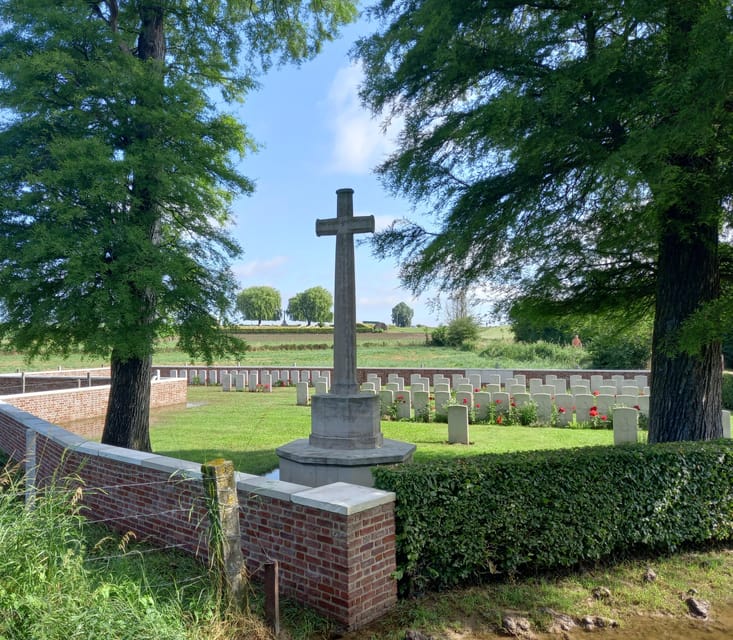
The most affecting part of this tour is the way it connects quiet Belgian fields with the men who fought here. You walk original trenches at Sanctuary Wood, look into the huge Caterpillar mine crater, and then stand among the graves at Tyne Cot Cemetery, where about 12,000 Commonwealth war dead are buried or commemorated. The ground is peaceful now, but the guide helps you picture the fighting that once covered it.
I like two things especially. First, Søren Hawkes and Sabine can shape the route around your interests, including an ancestor’s regiment, grave, or battle. Second, you travel in a private vehicle, so you can ask questions, pause to think, and spend more time at places that matter to you. The drawback is the fixed four-hour length. Ypres has more First World War sites than this route can cover, and family research or a slow visit may push the tour beyond its planned time.
Key points to know before booking
- Original trenches and a mine crater: Walk through surviving trench lines at Sanctuary Wood and see the massive Caterpillar crater at Hill 60 B.
- A private, tailored route: Choose an Australian, Canadian, or New Zealand focus, or ask your guide to follow a family connection.
- Major memorial sites: Visit Tyne Cot Cemetery, the Brooding Soldier, Essex Farm Cemetery, and the Menin-area battle zone around Ypres.
- Personal family research: Give Søren or Sabine names and service details in advance when possible, and they can include relevant graves or battle sites.
- Strong guide-led storytelling: The tour uses maps, charts, local knowledge, and clear explanations rather than leaving you to make sense of scattered sites alone.
- Good value for a small group: The $530 price covers up to four people, transport, guide service, water, and museum admission.
Why a private Ypres battlefield tour makes sense
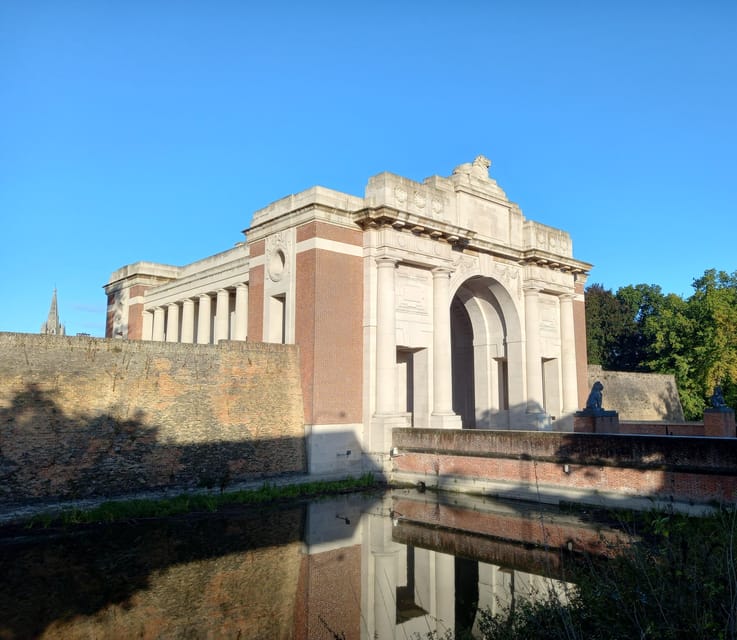
The Ypres Salient is easy to underestimate. The sites sit across a wide area, connected by rural roads and farm lanes rather than one neat museum district. A private vehicle saves you from trying to build a route between cemeteries, memorials, and former battle positions on your own.
The tour costs $530 per group of up to four, not per person. That works out to $132.50 each for four people, before considering the guide, vehicle, museum entrance, hotel pickup, and drop-off. For two people, the per-person cost is higher, but the private format gives you far more control than a large coach outing.
The strongest reason to pay for this format is the personal attention. Søren has used family diaries and service records to prepare for visits, and he has helped people locate relatives at Tyne Cot. Sabine has also built routes around New Zealand family connections and national units. If you know a soldier’s name, regiment, battalion, or cemetery, share it before the tour.
The guides are not simply driving you from one signpost to the next. They use maps and charts to explain how the front shifted, where units moved, and how one site relates to another. That matters in Ypres, where a small change in position could mean a completely different battle story.
More WWI Battlefield Tours in Ypres
- From IEPER Private 4-hour Tour of the Ypres Battlefield
★ 5.0 · 154 reviews - In Flanders Fields and Passchendaele Half Day Morning Tour
★ 5.0 · 117 reviews - Ypres: An exploration of the deadly salient battlefields
★ 5.0 · 76 reviews
Starting in Ypres and crossing the Salient
Pickup is available at your Ypres accommodation or Ypres Railway Station, or you can arrange another meeting point in Ypres. Hotel pickup and drop-off are included, which is useful if you have only a short stay and do not want to spend part of your morning finding the meeting point.
The route follows the experiences of Australian, Canadian, New Zealand, South African, and British soldiers who fought toward Passchendaele in 1917. You can select one of the named approaches:
- Australian 1917 Ypres Battlefields
- Canadian 1915 and 1916 to 1917 Ypres Battlefields
- Kiwi 1917 Ypres Battlefields
Those labels are useful starting points, not rigid boxes. The route can also include other interests. One family group followed the 36th Ulster Division and Irish Fusiliers, while another focused on the Princess Patricia’s Canadian Light Infantry. Tell the guide what matters to you, and the day can move beyond a standard checklist.
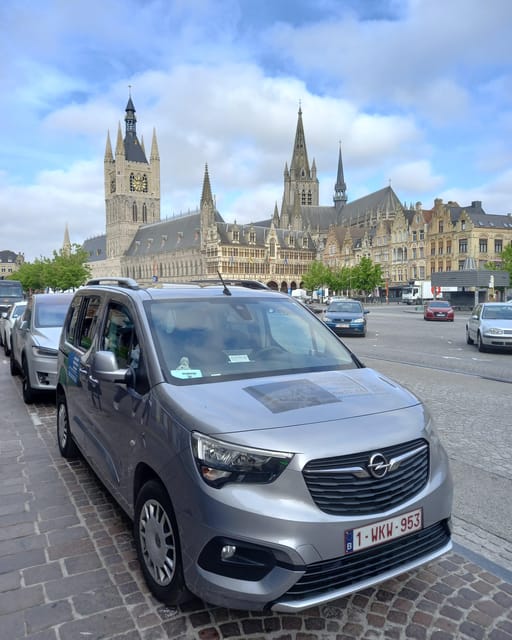
The setting is rural and the roads can be winding. That makes the vehicle a practical part of the experience, not just a luxury. You can cover ground between sites without spending your energy navigating. The vehicle has been described as clean, comfortable, and air-conditioned, a real help on a hot day.
Hill 60 B and the Caterpillar mine crater
The first major stop is the Caterpillar mine crater at Hill 60 B. You spend about 30 minutes here with the guide, walking and looking at the huge depression left by the 1917 mine explosion.
This is one of the best places on the route for understanding how the war was fought below ground as well as above it. The crater gives physical scale to a weapon that can otherwise seem like an abstract line in a book. You are not just hearing that mines were used. You are looking at the ground they tore apart.
The visit is relatively brief, so do not expect a long exploration of every part of Hill 60. Its value comes from the guide’s explanation and the chance to connect the crater with the wider movement toward Passchendaele. If Hill 60 is your main interest, mention that early so the guide can judge how much time is practical.
Comfortable shoes matter here. You will walk on historic ground, and weather can make any battlefield stop less pleasant. Bring a camera, but expect the site to call for a quieter sort of attention than a normal photo stop.
Walking the trenches at Sanctuary Wood
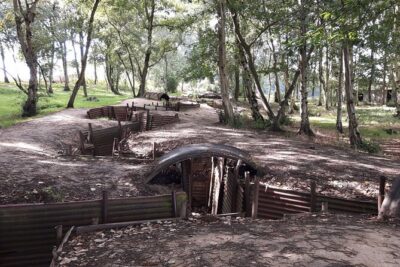
Sanctuary Wood is one of the tour’s most tangible stops. You get about 50 minutes for a guided visit and a walk through original trench remains at the Sanctuary Wood Museum.
For me, this is where the scale of the fighting becomes easier to grasp. A cemetery shows the human cost. A crater shows the force of the weapons. Trenches show the daily setting in which soldiers lived, waited, moved, and fought.
The museum entrance is included, so you are not paying an extra admission during the visit. The guide can give the trench remains a clear military context, then help you relate what you see to the units and battles discussed on the road.
Do not expect polished, easy walking surfaces. Wear shoes with good support, and dress for the weather. The tour is wheelchair accessible, but the practical experience of moving through historic trench ground may vary by area. If mobility is a concern, raise it when booking so the route can be handled sensibly.
More Flanders Fields battlefield days from Ypres:
- From Brussels: Flanders Fields Remembrance Full-Day Trip
★ 4.4 · 65 reviews - Small Group Ypres Remembrance Day Filled With War History
★ 5.0 · 31 reviews - From Ypres, The Christmas Truce to Passchendaele Ypres Based WW1 private tour
★ 5.0 · 29 reviews - In Flanders Fields and Passchendaele Grand Tour
★ 5.0 · 25 reviews
Tyne Cot Cemetery and the missing
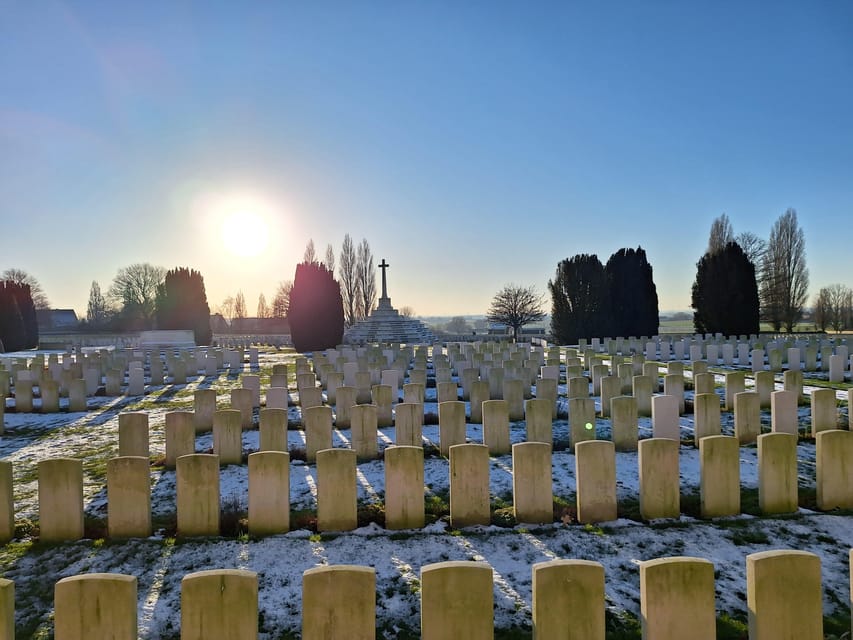
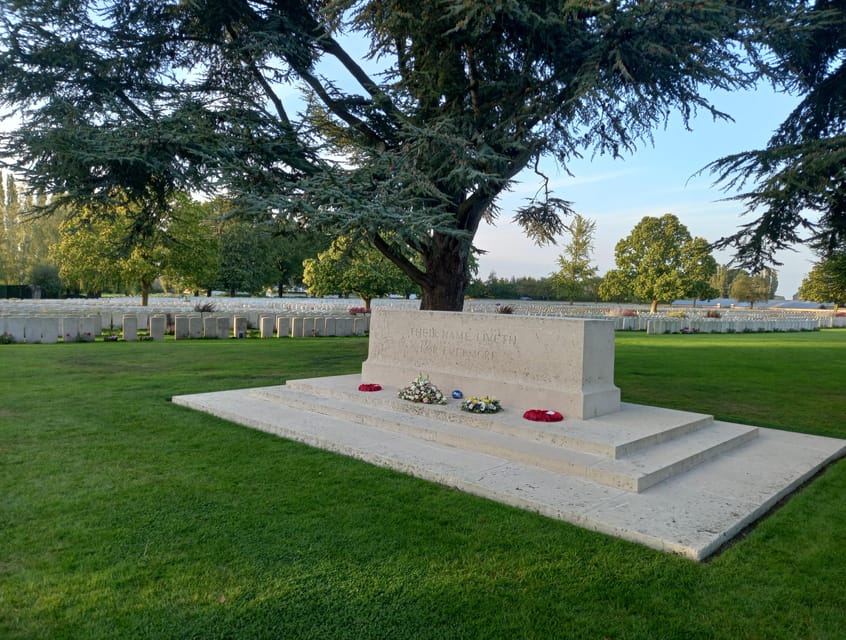
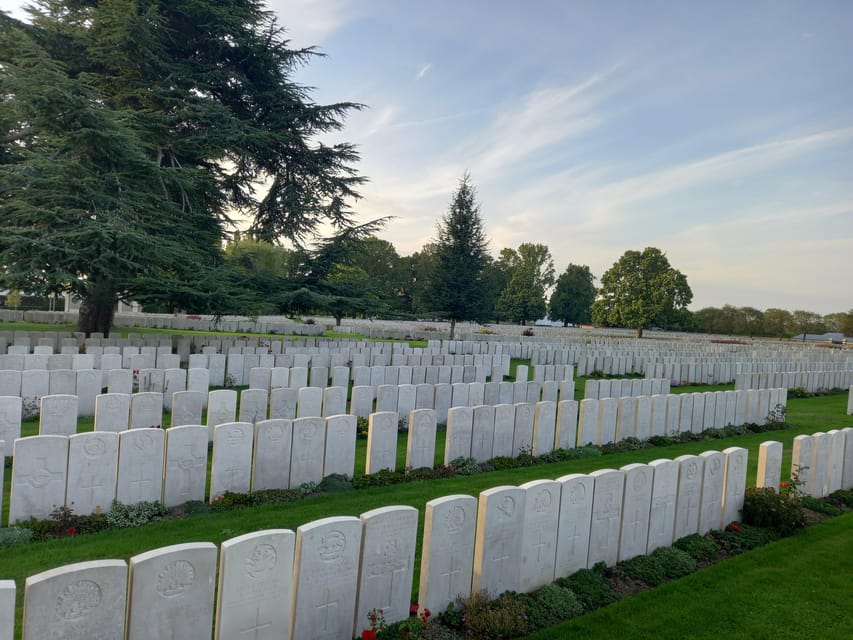
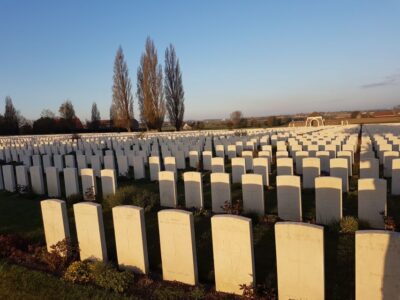
Tyne Cot Cemetery receives about 50 minutes of guided time. It is one of the most important stops because it combines a vast cemetery with a memorial to men whose bodies were never identified or recovered.
About 12,000 war dead are buried or commemorated here, making the scale hard to take in at first. A good guide keeps the numbers from becoming empty statistics. Søren has helped people search for a Victoria Cross recipient and trace relatives connected with the cemetery, so bring any family information you have.
The cemetery visit benefits from a measured pace. You need time to listen, read names, and look for a particular grave without feeling hurried. The guide can explain how the cemetery fits into the surrounding battles and point out links to the units you have chosen to follow.
This is also the point where a private tour earns its price. In a larger group, your family question may be one of many. Here, you can ask for help with a particular name or regiment and keep the focus on your own connection.
The Brooding Soldier and the first gas attack
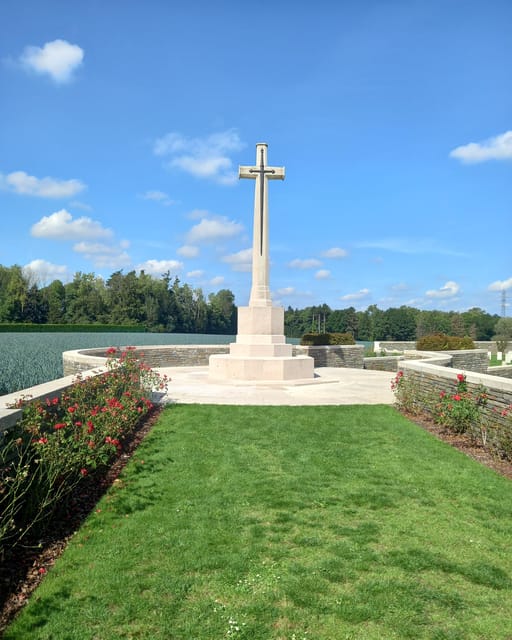
The Brooding Soldier memorial gets about 20 minutes. It commemorates the Canadian role in the first German gas attack of 1915, an event that changed the nature of fighting on the Western Front.
The monument is especially useful because it takes you beyond the familiar 1917 Passchendaele story. The Ypres area was fought over through several stages, and this stop helps you see how the war changed from year to year.
Twenty minutes is enough for an explanation and a quiet look, but it is not a long stop. If chemical warfare or Canadian military history is central to your interest, tell your guide. The Canadian itinerary includes earlier and later periods, so this memorial can serve as an important anchor rather than a stand-alone visit.
John McCrae’s dressing station and Essex Farm
The visit to the John McCrae dressing station lasts about 35 minutes and is listed as a photo stop, though the setting carries more weight than that label suggests. This is where McCrae wrote In Flanders Fields, the poem that became one of the best-known works linked to the First World War.
The stop lets you connect the poem with a real wartime medical setting rather than treating it as a detached literary symbol. The guide can explain the place and its relationship to the fighting around Ypres.
You then make a short, roughly 10-minute guided visit to Essex Farm Cemetery. The stop is brief, but it adds another cemetery to the route and keeps the focus on the people behind the military movements.
The timing here is worth noting. Tyne Cot and Sanctuary Wood receive longer visits because they need more walking and explanation. John McCrae’s site and Essex Farm work better as focused stops. If you want long periods for photography or private reflection at every cemetery, four hours may feel tight.
The guide makes the difference
The strongest part of the experience is the guide’s ability to explain rather than recite. Søren is described as using humor carefully, keeping the subject respectful without making the day grim from start to finish. His great uncle is commemorated in the area, giving him a personal connection to the ground, though the tour still focuses on your interests.
Sabine has also been praised for careful preparation and tailor-made routes, especially for New Zealand family history. If your connection is Australian, Canadian, or Kiwi, ask for that national focus. If your group has mixed interests, the private setup allows the guide to move between them.
The guides also appear comfortable with detailed questions. One family brought a grandfather’s diary and service record, and the route was shaped around those documents. Another group was shown a location connected with a family member’s battle. This kind of preparation turns a general battlefield tour into a family visit.
You should send names and records early, but the available information does not promise a result for every ancestor. The guide can include a relative where possible. Cemetery records, unit movements, and surviving site information do not always line up neatly.
Time, comfort, and what to bring
The advertised duration is four hours. That is enough for the main route, but the day can run longer when family research, extra sites, or extended conversations become part of the plan. Do not schedule a tight connection immediately afterward.
Pickup and drop-off in Ypres keep the tour simple. Mineral water is included, but food is not, so eat before departure or plan around the tour. Starting times depend on availability.
Bring:
- Comfortable walking shoes
- Weather-appropriate clothing
- A camera
- Any ancestor records, names, unit details, or cemetery information you have
The tour is in English with a live English-speaking guide. It is a private group experience, and the transport received a perfect score from all listed transport ratings. Wheelchair accessibility is provided, though historic outdoor ground can still require advance discussion.
Free cancellation is available up to 24 hours before the tour for a full refund. You can also reserve now and pay later, which helps if your Ypres plans are still shifting.
Who should book this tour?
I would choose this tour if you want the Ypres battlefields explained as a connected story rather than a series of isolated monuments. It is especially well suited to families tracing an Australian, Canadian, New Zealand, South African, or British soldier.
It also works well for first-time visitors who want the main sites without spending hours studying maps and road routes. The guide handles the driving and gives you the military context as you go.
This may not be the best fit if you want to visit every major First World War site around Ypres, spend a full day at museums, or move at an entirely independent pace. Four hours passes quickly, and the route has to balance trenches, cemeteries, memorials, and literary history.
Should you book the Ypres battlefield tour?
Book it if personal history matters to you, or if you want a clear explanation of how Hill 60, Sanctuary Wood, Tyne Cot, the Brooding Soldier, John McCrae’s dressing station, and Essex Farm fit together. The private vehicle, flexible route, family research, and strong guide service make the $530 group price reasonable for up to four people.
I would send your family details before arriving and tell the guide which national story interests you most. If you do that, this should feel less like a sightseeing loop and more like a carefully planned visit to the places that shaped your own understanding of the war.
FAQ
How long is the Ypres battlefield tour?
The tour is scheduled to last four hours. Some visits may run longer when the route includes extra sites or detailed family research.
How much does the private tour cost?
The price is $530 per private group of up to four people.
Where does pickup take place?
You can meet the guide at your Ypres-based accommodation or at Ypres Railway Station. Another Ypres meeting point may also be arranged.
Which battlefields and memorials are included?
The route includes the Caterpillar mine crater at Hill 60 B, Sanctuary Wood Museum, Tyne Cot Cemetery, the Brooding Soldier memorial, John McCrae’s dressing station, and Essex Farm Cemetery.
Can the tour focus on my ancestor?
Yes. If you have information about a relative who served or died in the battles, the guide can tailor the tour to include that person where possible.
Which national military histories can I request?
Three listed approaches focus on Australian forces in 1917, Canadian actions from 1915 through 1917, or New Zealand forces in 1917. The route can also address South African and British connections.
Who are the guides?
The experience is provided by A Foreign Field Battlefield Tours, led by Søren Hawkes. Sabine also guides tours, and both provide English-language guiding.
Is the tour wheelchair accessible?
Yes, the activity is listed as wheelchair accessible. Because some stops involve historic outdoor ground and walking, discuss your needs when arranging the tour.
What is included in the price?
The price includes the private four-hour tour, hotel pickup and drop-off, the guide, mineral water, and museum entrance. Food is not included.
Can I cancel the booking?
You can cancel up to 24 hours in advance for a full refund. A reserve-now, pay-later option is also available.
Just added around Ypres
- From LIlle or Bruges, Christmas Truce to Passchendaele Ypres 1 day WW1 private★ 5.0 · 5 reviews
- In Flanders Fields and Passchendaele Grand Tour★ 5.0 · 25 reviews
- Discover Tournai while playing! Escape game – The alchemist★ 4.0 · 3 reviews
- e-Scavenger hunt Ypres: Explore the city at your own pace★ 4.5 · 6 reviews
- From Ypres, The Christmas Truce to Passchendaele Ypres Based WW1 private tour★ 5.0 · 29 reviews
- PRIVATE Australian Western Front Battlefields 3-Day Tour Ypres to Amiens★ 5.0 · 3 reviews
- Full Day Canadian WW1 Vimy and Somme Battlefield Tour from Ypres★ 5.0 · 6 reviews
- From Ypres 4hr Christmas Truce and Monster Mines of Messines PRIVATE Tour★ 5.0 · 5 reviews
WWI Battlefield Tours, compared.
Great War Flanders Fields Minibus Tour w/ Lunch
Read our review →
Flanders Fields Remembrance Tour from Brussels
Read our review →
In Flanders Fields and Passchendaele Half Day Morning Tour
Read our review →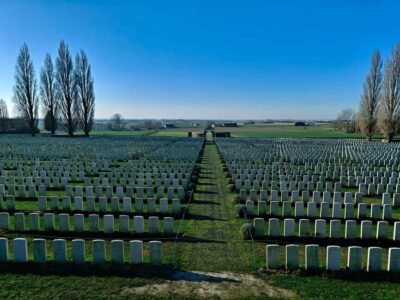
An exploration of the deadly salient battlefields
Read our review →
Browse the lists this tour appears in