
Reviewed · WWI BATTLEFIELD TOURS
From Bruges: Flanders Fields Remembrance Full-Day Trip
The most powerful moment comes at the end, when you attend the 8pm Last Post Ceremony beneath Ypres’s Menin Gate. Before that, the day connects trenches, cemeteries, museums, and battlefields into one clear story of how the First World War scarred this corner of Belgium. I like the way the tour combines major sites such as Tyne Cot with smaller, quieter places that are easy to miss on your own.
I also like the guides’ strong command of the subject. Diederick, Stefan, Johannes, and other English-speaking guides are praised for explaining troop movements, dates, and personal stories without turning the day into a dry lecture. The main drawback is the schedule: 10 hours is a long day, and some stops can feel rushed, especially the museum and Tyne Cot.
Key points to know before booking
- The Last Post Ceremony is included: You finish at Menin Gate at 8pm, a major reason to choose this trip over a shorter battlefield visit.
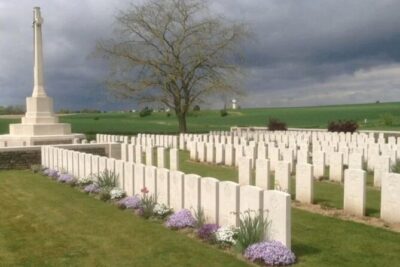
- Tyne Cot is a central stop: You visit the world’s largest Commonwealth cemetery, where British, Irish, Australian, and Canadian soldiers are buried.
- The guide supplies the historical framework: Background on the causes and development of the war begins on the drive from Bruges.
- You visit Essex Farm: This former field hospital is linked to Canadian surgeon John McCrae and his poem In Flanders Fields.
- Lunch is not fully included: Plan for a quick meal or snack, with roughly 45 minutes set aside for lunch.
- Expect walking on uneven ground: Comfortable shoes matter, and the tour is not suitable for wheelchair users or people with limited mobility.
Why this Flanders Fields day trip works
Flanders Fields is not one single attraction. It is a wide area filled with cemeteries, remnants of trenches, museums, memorials, and towns rebuilt after the war. Seeing it independently by public transport would be difficult, and you would lose much of the connection between the sites.
This tour solves that problem with round-trip coach transportation from Bruges. The guide begins explaining the political events that led to the First World War while you travel toward the battlefields. That early briefing matters because the later stops make more sense once you understand how a regional crisis became a larger European disaster.
The tour costs about $91 per person. For that price, you receive transportation, an English-speaking guide, and entry to In Flanders Fields Museum. Lunch, dinner, and hotel transfers are extra. I consider the price fair for a full day covering sites spread across the Ypres area, especially because getting between cemeteries and battlefield locations without a car would be awkward.
The main question is not value, but stamina. You leave at the appointed time from Bargeplein in Bruges and return after the evening ceremony. It is an emotionally heavy day as well as a physically long one.
More Flanders Fields battlefield days from Bruges:
- From Bruges: Great War Flanders Fields Minibus Tour w/ Lunch
★ 4.9 · 1,257 reviews - Flanders Fields Remembrance Tour from Bruges
★ 4.5 · 207 reviews - Australian Battlefields Private Tour in Flanders from Bruges
★ 5.0 · 15 reviews
Meeting at Bargeplein in Bruges
The departure point is Bargeplein, also called Bargesquare. It is a bus parking area rather than a grand transport terminal, so do not expect a large tour office or obvious indoor waiting room.
Look for the large red canopy beside the public bathroom. Wait underneath it and arrive early enough to confirm the coach before departure. Clear meeting instructions matter here, since the pickup area can be confused with other locations in Bruges.
The coach ride toward the Flanders Fields area takes about an hour. This is not wasted time. Your guide uses the drive to explain the background to the war, the development of trench warfare, and the events that shaped the Ypres Salient.
Some passengers have found it hard to hear every word from the back of the coach, especially when the guide speaks while driving. Sitting closer to the front is a sensible choice if the historical explanation is a major reason for booking.
German Cemetery and the first view of the trenches
The first cemetery is a German burial ground. Its atmosphere differs from the Commonwealth cemeteries later in the day, and that contrast is useful. The war did not produce one simple story of heroes and villains. Soldiers from several nations were drawn into a conflict that caused enormous loss on every side.
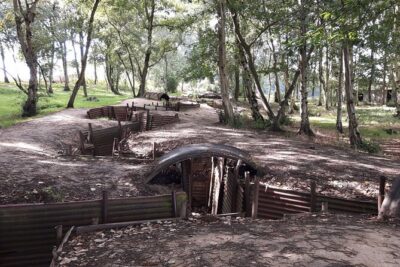
From there, the tour continues to a section of First World War trenches. Do not expect a complete preserved trench system that lets you recreate an entire battle. The value is in seeing the type of defensive position that shaped daily life for soldiers: confined, exposed, and closely tied to the muddy ground around it.
The guide provides the wider military context, which helps you read the physical remains. Without that explanation, a short stretch of trench can look modest. With it, you begin to understand how a few yards of ground could cost thousands of lives.
The Brooding Soldier and Hill 60
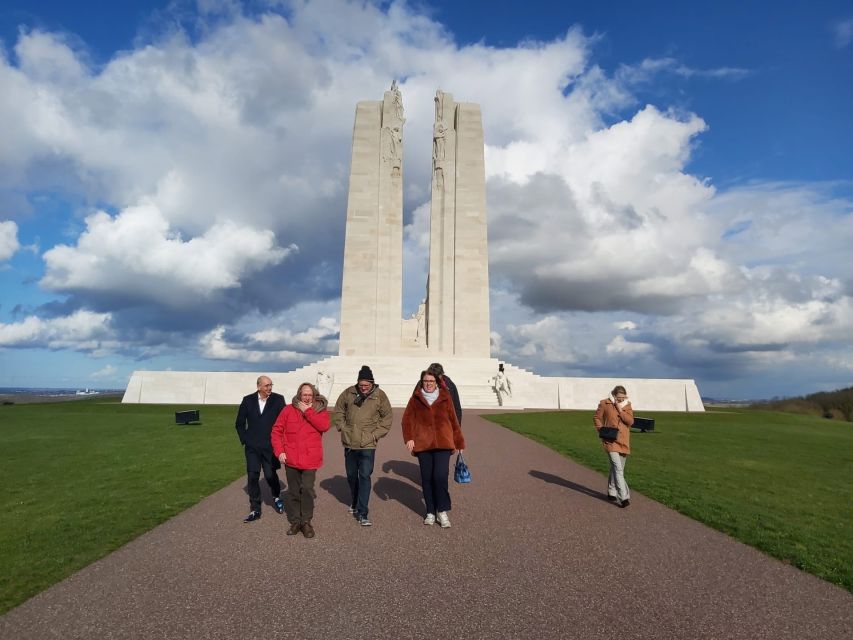
The Monument of the Brooding Soldier commemorates about 2,000 Canadian soldiers killed during the first German gas attack. It is a quiet, reflective stop, and one of the clearest reminders that the battlefields are also places of personal grief.
The monument is near Hill 60, a position that German forces had taken and that British tunnelling companies later attacked with mines. This detail shows how the war moved underground as well as across the surface. Engineers worked through tunnels beneath enemy positions, turning the earth itself into a weapon.
You will hear plenty of dates, military terms, and place names during the day. The strongest guides, including Diederick and Stefan on some departures, connect those facts to the people involved. That approach keeps the tour from becoming a string of disconnected memorial stops.
A few more Bruges half days worth weighing up
- From Brussels: Full-Day Antwerp and Ghent Guided Tour
★ 4.6 · 1,019 reviews - From Amsterdam: Bruges Full-Day Tour
★ 4.3 · 519 reviews - From Brussels: Bruges and Ghent Full-Day Trip by Train
★ 4.3 · 103 reviews - From Brussels: Flanders Fields Remembrance Full-Day Trip
★ 4.4 · 65 reviews
A quick lunch in Ypres
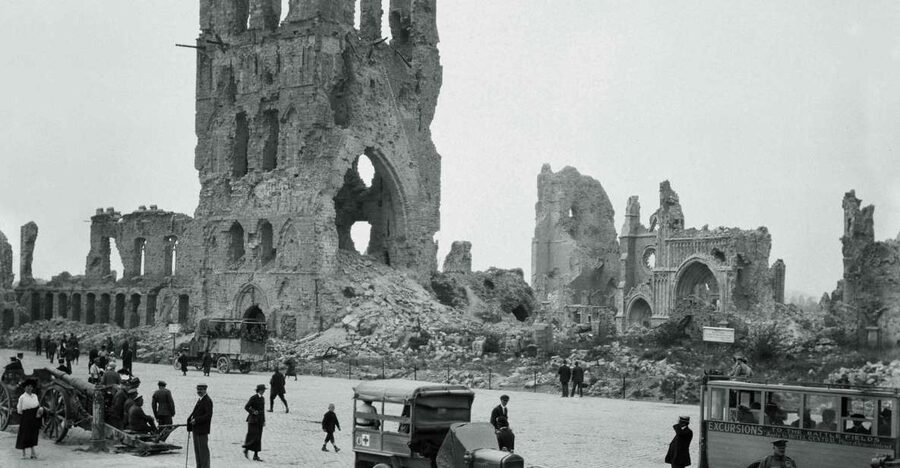
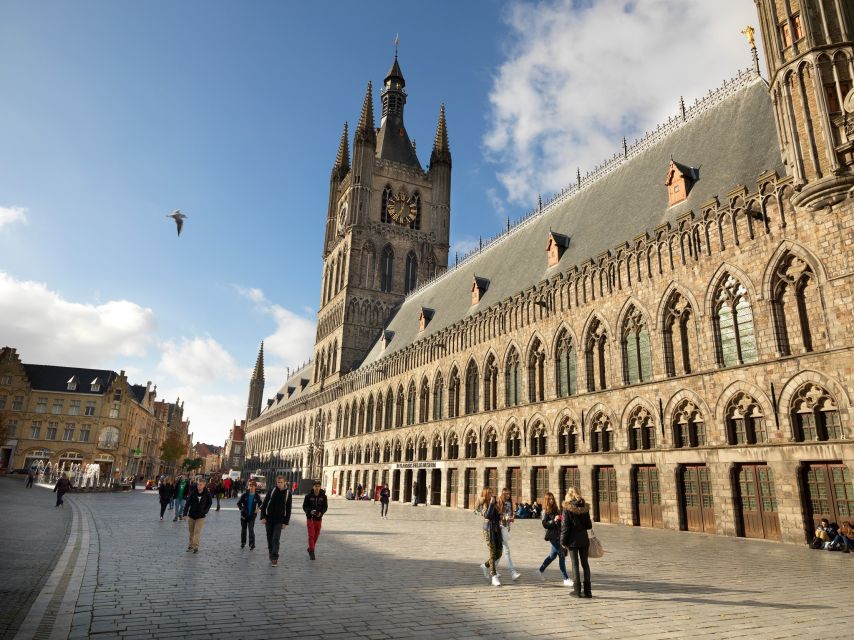
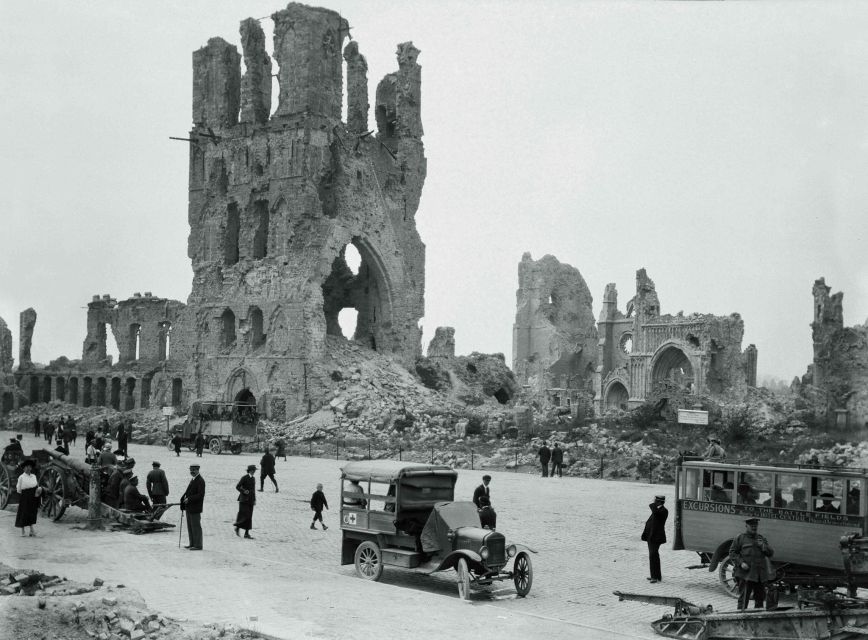
Ypres is the main town in the area and an important pause in the schedule. Much of the city was destroyed during the war and later rebuilt, so its present-day beauty carries a difficult background.
The lunch break is generally short, about 45 minutes. Food is not included in the tour price, though some departures have offered a simple ploughman’s lunch or similar meal arrangement. You should not rely on that, so be prepared to buy your own food or choose a quick snack.
This is one of the practical weaknesses of the tour. Restaurants can be busy, and a short stop may leave little time to order, eat, and get back to the coach. If you prefer a relaxed sit-down meal, bring something with you or ask the guide where a fast option is available.
You also return to Ypres later for a quick snack before the evening ceremony. The schedule keeps the day moving, but it does not leave much space for leisurely dining.
In Flanders Fields Museum in Ypres
The In Flanders Fields Museum is the indoor heart of the tour. Entry is included, and you receive roughly an hour to explore the displays.
The museum gives the war a human scale. Rather than focusing only on commanders and battles, it presents the experience of trench warfare through personal stories and the lives of people caught in the conflict. That makes it an important counterweight to the outdoor visits, where rows of headstones and open fields can become difficult to absorb individually.
An hour is enough for a useful introduction, but it is not enough for a slow reading of every display. If museums are your main interest, you may wish for more time. If you already have a strong background in the First World War, the museum may feel like a focused overview rather than a full day of study.
The guide’s explanation before and after the visit helps you use the time well. Listen for the major themes first, then spend your museum hour on the sections that interest you most. Do not try to read every panel.
Passchendaele and Tyne Cot Cemetery
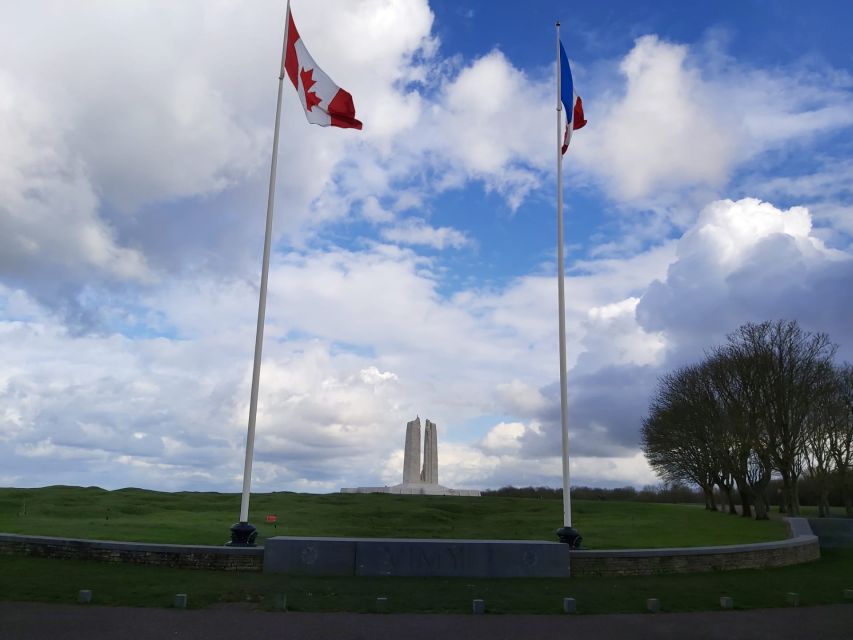
The route then reaches Passchendaele, one of the most familiar names connected with the First World War. The visit is less about a single surviving structure and more about understanding the scale and cost of the fighting in the area.
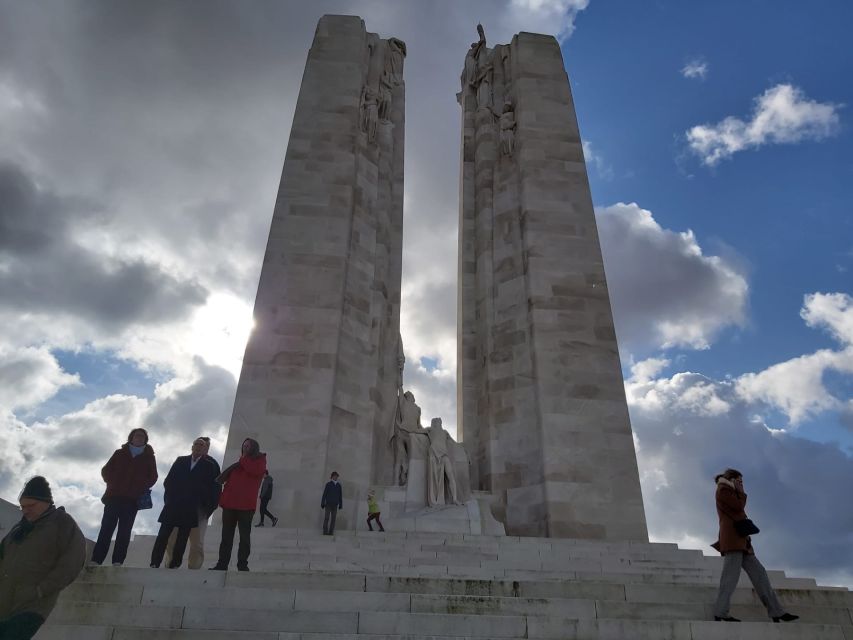
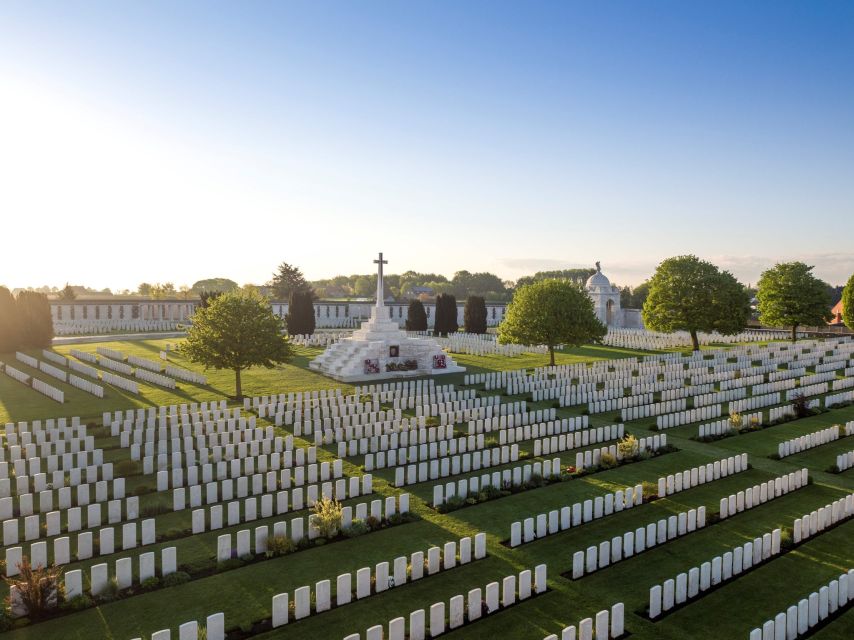
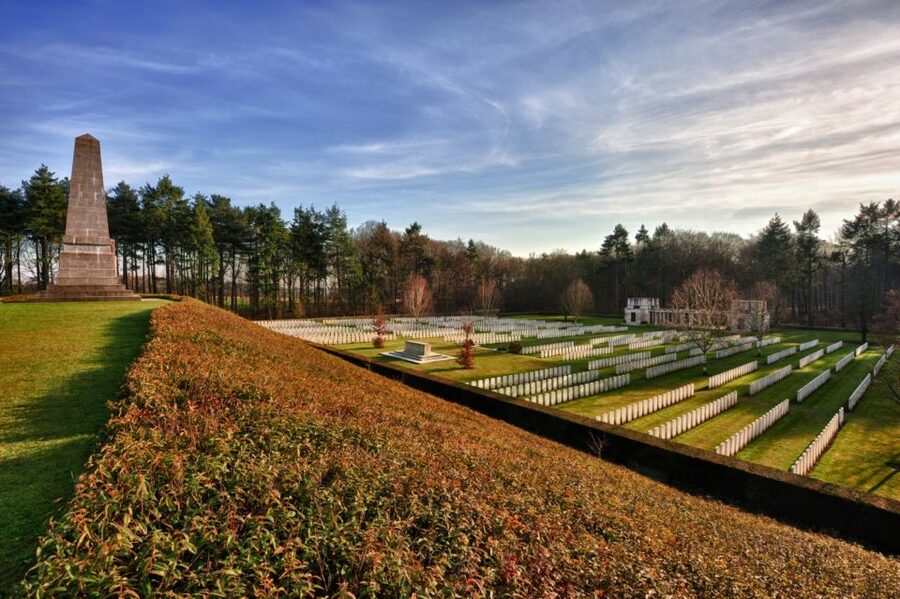
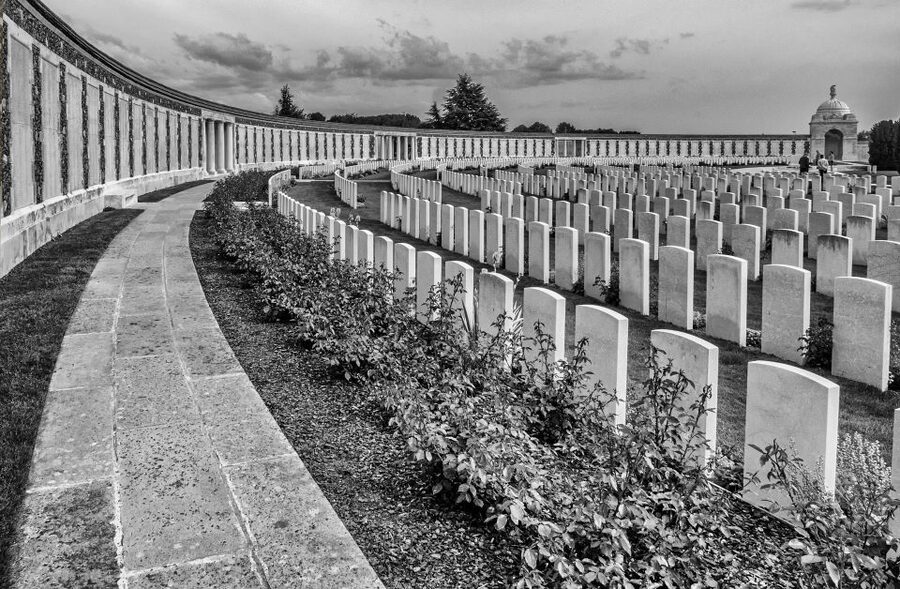
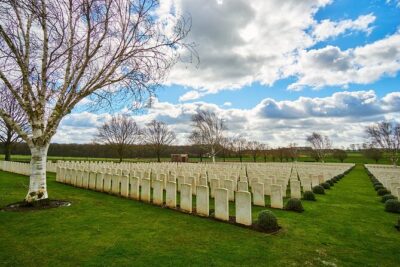
Tyne Cot Cemetery is the emotional center of the afternoon. It is the largest Commonwealth cemetery in the world, with British, Irish, Australian, and Canadian soldiers buried there. The rows of white headstones make the scale of the losses visible in a way that battlefield statistics cannot.
The cemetery is carefully maintained and quiet, but do not rush yourself emotionally. You may want time to read inscriptions, look for particular nationalities, or simply walk without listening to commentary. The schedule can be tight, and some departures allow less time than visitors would like.
This is also a place where family connections become especially meaningful. If an ancestor served in the First World War, tell the guide. The tour’s national range means the guide can often help you notice the memorials connected with British, Irish, Australian, Canadian, or other Commonwealth forces.
Comfortable shoes are essential. You will be walking between the coach and outdoor sites, and some locations require more time on foot than the short stop descriptions suggest. Anyone with limited mobility should consider a different way to visit the area.
Essex Farm and John McCrae
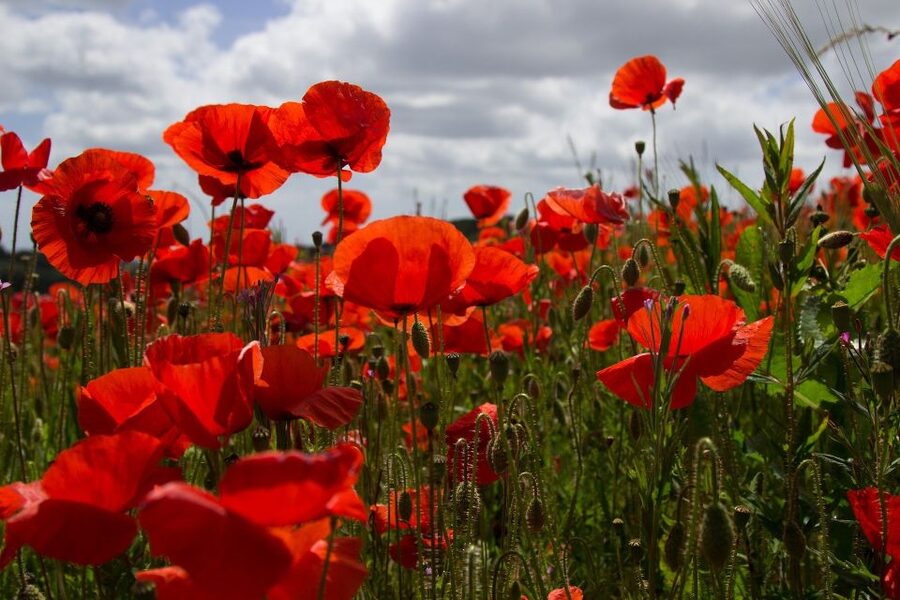
Essex Farm is linked to Canadian field surgeon Dr. John McCrae, who wrote In Flanders Fields while serving at a field hospital here. The location adds a personal voice to the day.
The poem is familiar to many people, but visiting the place associated with its creation changes how you hear it. It was written in a setting shaped by wounded soldiers, emergency medical work, and constant death. The stop ties the broad military story to the words that became one of the best-known expressions of wartime remembrance.
This is not a long museum visit. Its value comes from the connection between site, person, and poem. The guide’s storytelling is particularly useful here, since the location itself does not tell the whole story.
Menin Gate and the Last Post at 8pm
The day returns to Ypres for the Last Post Ceremony at Menin Gate. Each evening at 8pm, the ceremony honors Commonwealth soldiers and officers who went missing after battle.
This is the tour’s defining advantage. Many battlefield excursions visit cemeteries during daylight but leave before the ceremony. Here, transportation and timing are arranged so you can attend the evening tribute without finding your own way back to Bruges.
The ceremony is solemn and respectful, but expect a public event rather than a private memorial. The gate may be crowded, and restoration work has covered parts of the structure until mid-2025. That can affect the appearance and atmosphere, though the ceremony itself remains the reason to be there.
The event may include cadets and civilian participants, and the experience can feel different from the quiet stillness of Tyne Cot. Some people find the ceremony deeply moving. Others prefer the open space and silence of the cemeteries. I would not skip it automatically, but I would set realistic expectations about crowds, scaffolding, and the formal public setting.
Guides, coach comfort, and the pace
The guide is the strongest part of this experience. Diederick, Stefan, and Johannes are among the guides praised for clear explanations, dry humor, personal engagement, and strong command of First World War history. The guide also keeps an eye on the clock, which is necessary on a route with many stops.
You should expect several hours of spoken history, both on the coach and at the sites. That is ideal if you want dates, troop movements, and context. It is less suitable if you prefer a quiet scenic day with only occasional commentary.
The coach is described as comfortable and safely driven. Transport receives particularly high marks, with 91 percent of ratings giving it a perfect score. Still, sound quality can vary by seat. Sit near the front if possible, and tell the guide if you cannot hear.
The pace is efficient rather than leisurely. You cover a great deal of ground, but the tradeoff is limited time at some individual stops. The itinerary works best when you accept that this is an overview of the Ypres battlefields, not a slow specialist study tour.
Who should book this tour?
I recommend it to anyone with a serious interest in the First World War, family military history, memorial culture, or the story of Ypres and Passchendaele. It also suits you if you have only one day available in Bruges and want to reach several sites that would be difficult to connect independently.
The tour is especially useful for first-time visitors. You receive the background before seeing the sites, transportation between scattered locations, entry to the main museum, and the evening ceremony at Menin Gate.
I would hesitate if you need frequent breaks, want a substantial lunch, or prefer to spend a long time at each cemetery. The tour is not suitable for wheelchair users or people with mobility impairments, and the amount of walking should be taken seriously.
The presentation also focuses mainly on military events and remembrance. If you want a fuller account of women’s roles, including nurses and other wartime workers, ask the guide questions directly or plan a separate visit that covers those subjects.
Final verdict: book it for the connections
Book this Flanders Fields tour if you want a full, serious day that connects the German cemetery, trenches, Hill 60, the Brooding Soldier, Passchendaele, Tyne Cot, Essex Farm, In Flanders Fields Museum, and Menin Gate.
The $91 price is reasonable for the distance covered and the included museum entry, though you need to budget for food. The guide makes the biggest difference, turning scattered memorials into a coherent story. Just bring comfortable shoes, arrive early at the red canopy in Bargeplein, sit near the front of the coach, and accept that the schedule will feel full.
If you want a relaxed day, choose another plan. If you want to understand why this small part of Belgium carries such lasting weight, this is a strong choice.
FAQ
How long does the Flanders Fields tour from Bruges last?
The tour lasts about 10 hours, including coach travel, visits to the battlefield sites and museum, meal breaks, and the 8pm Last Post Ceremony.
Where does the tour meet in Bruges?
The meeting point is Bargeplein, also called Bargesquare. Wait underneath the large red canopy beside the public bathroom.
Is lunch included in the tour price?
No. Lunch and dinner are not included. The schedule allows about 45 minutes for lunch and includes a quick snack break later in Ypres.
Is entry to In Flanders Fields Museum included?
Yes. Museum entry is included, with about 70 minutes set aside for the guided museum visit and exploration.
Is the Last Post Ceremony at Menin Gate included?
Yes. The tour is timed to attend the ceremony at 8pm. Menin Gate is undergoing restoration work until mid-2025.
Is this tour suitable for wheelchair users?
No. The tour is not suitable for wheelchair users or people with mobility impairments. Comfortable shoes are recommended because the day includes walking at outdoor memorials and battlefield sites.
More 1-Day Tours in Bruges
- Day trip to Bruges from Paris with canal cruise
★ 4.7 · 81 reviews - Brussels: Private & Customizable Day Trip to Bruges
★ 5.0 · 3 reviews - From Brussels: Guided Day Trip to Bruges and Ghent
★ 4.6 · 8,353 reviews - From Amsterdam: Bruges Day Trip in English with Boat Option
★ 4.4 · 1,989 reviews
Just added around Bruges
- 2-Hour Private Walking Tour of Bruges★ 5.0 · 13 reviews
- The Waffles ‘n Coffee Breakfast in Bruges Centre★ 4.5 · 9 reviews
- Ticket Expo Body Worlds in Bruges, Belgium★ 4.5 · 11 reviews
- Discover the secrets of Bruges by playing!★ 4.5 · 7 reviews
- Explore the Instaworthy Spots of Bruges with a Local★ 5.0 · 3 reviews
- Australian Battlefields Private Tour in Flanders from Bruges★ 5.0 · 15 reviews
- 6 Hour Bruges Shore Excursion from Zeebrugge Cruise Port★ 4.5 · 23 reviews
- Photo Tour “Jan van Eyck”★ 4.0 · 7 reviews
WWI Battlefield Tours, compared.
Great War Flanders Fields Minibus Tour w/ Lunch
Read our review →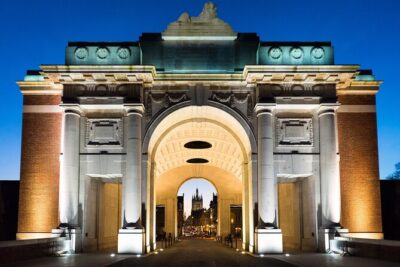
Flanders Fields Remembrance Tour from Brussels
Read our review →
In Flanders Fields and Passchendaele Half Day Morning Tour
Read our review →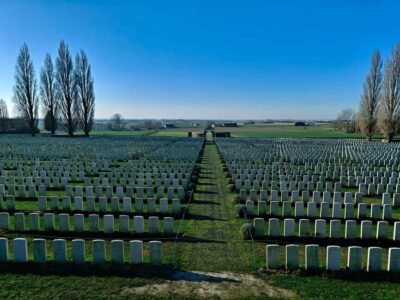
An exploration of the deadly salient battlefields
Read our review →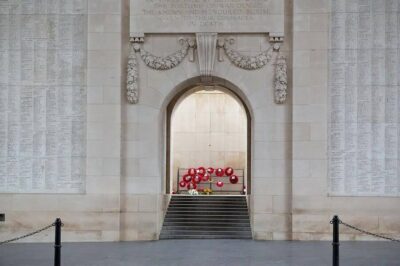
Small Group Ypres Remembrance Day Filled With War History
Read our review →Browse the lists this tour appears in