
Reviewed · WWI BATTLEFIELD TOURS
Historic Ypres WWI Sites – Tour from Brussels
The most powerful part of this day is the shift from museum displays to the actual ground where the fighting took place. You move from reconstructed trenches at Hooge Crater and Sanctuary Wood to the names at Menin Gate, the rebuilt Cloth Hall in Ypres, and the long rows of Tyne Cot Cemetery. The history is physical here, not just something behind glass.
I like the private format, since your guide can shape the discussion around your interests. I also like that lunch, snacks, drinks, transport, and entry fees are covered, which makes a long day easier to manage. The main drawback is the price: at $701.35 per person, this is a serious outlay, even with so much included.
Key points at a glance
- Private historian-led touring: Your group travels alone, with time for questions and personal interests.
- Seven major stops: The route covers Hooge Crater, Sanctuary Wood, Menin Gate, Ypres, the In Flanders Fields Museum, Passchendaele, and Tyne Cot.
- Preserved trenches: Sanctuary Wood offers enclosed trench lines and dugouts, while Passchendaele adds a reconstructed military setting.
- Food is included: Lunch, snacks, and soft drinks are provided during the day.
- A full day from Brussels: Plan on roughly 7 to 10 hours, with an 8 a.m. start.
- Serious memorial sites: Menin Gate and Tyne Cot call for quiet attention, not a rushed photo stop.
Why this Ypres day is different from a standard museum visit
The Ypres region rewards context. One museum can show you weapons, photographs, maps, and uniforms, but the full picture comes from linking those objects to the places where the battles happened. This tour does that in a single day.
You begin with private transport from Brussels and spend the day moving around the Ieper, or Ypres, area. An air-conditioned vehicle matters here because the stops are spread across the region. You also save the trouble of arranging separate admissions, finding parking, and working out how to connect rural cemeteries with museums in town.
The private setup is especially useful for this subject. A group interested in military equipment may want more time with weapons and battlefield remains. Another group may care more about politics, economics, and the human cost of the war. István, one of the guides, has been praised for shaping the conversation around individual interests and making an extra effort to help a participant see everything important. The guide known as The Wolf is also described as explaining scenes and answering questions at the museum stops.
That personal approach helps because the subject can become a blur of dates and military names. A good guide gives each place a purpose. You are not simply collecting seven stops. You are following a thread from wartime conditions to remembrance and recovery.
More Historical Tours in Brussels
- Brussels: Historical Walking Tour with Chocolate & Waffle Tasting
★ 5.0 · 1,165 reviews - Tell Me About Brussels! | First Day Must-Do | Local Storytellers
★ 5.0 · 649 reviews - Brussels: Historical Tour with Chocolate & Waffle Tasting
★ 4.8 · 642 reviews
Hooge Crater Museum: a strong first lesson
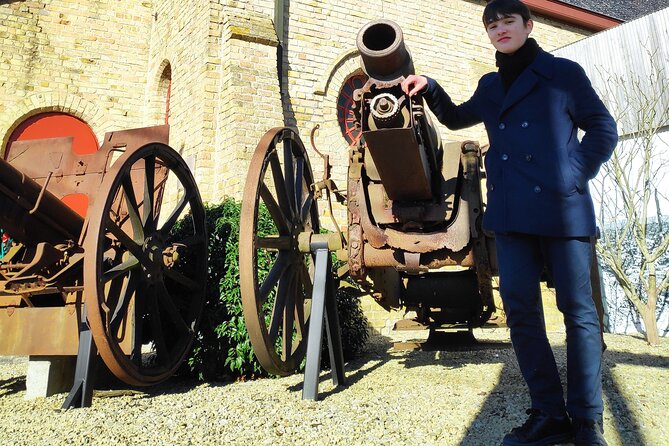
The Hooge Crater Museum is a private WWI museum with life-size reconstructions of battle scenes. You will see weapons, equipment, and photographs, with about 30 minutes set aside for the visit.
This is a useful opening because the reconstructions give you a quick visual sense of trench warfare. You can ask questions while the details are in front of you, rather than trying to picture them from a written description. The stop is short, so you should treat it as an introduction rather than a full museum study.
The museum may appeal most to you if you like military objects and visual displays. It is less likely to satisfy you as a quiet memorial space, since the reconstructions are direct and concrete. That contrast is helpful. The day later moves toward cemeteries and names, but Hooge Crater starts with the tools and conditions of war.
Sanctuary Wood and Hill 62: walking through preserved trenches
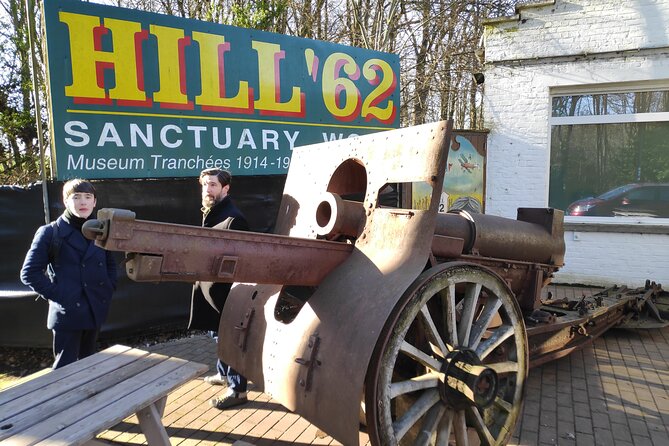
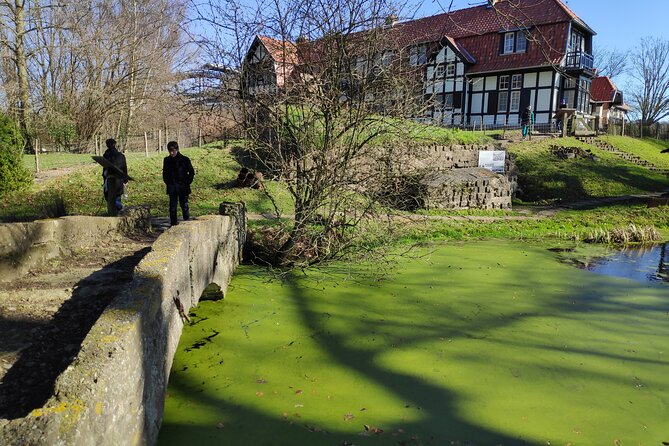
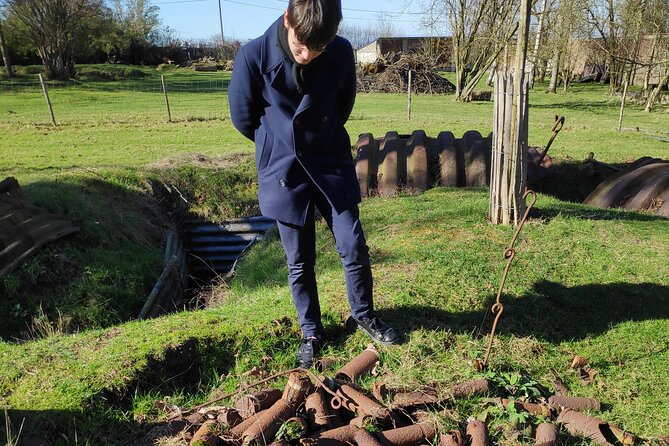
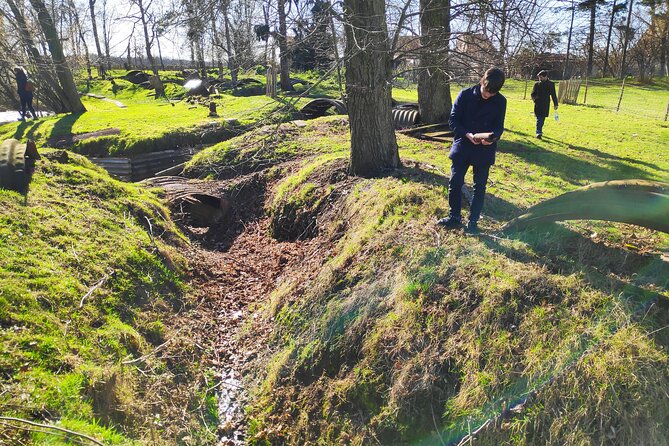
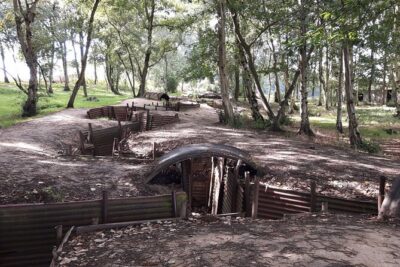
Sanctuary Wood is one of the most distinctive stops because the trench lines and dugouts were enclosed and preserved. The site earned its name in October 1914, when it served as a refuge for soldiers separated from their units.
You have about 45 minutes here, including admission. The surviving trenches offer something that a model cannot: uneven ground, narrow passages, and a sense of how confined military life could be. Bring comfortable hiking shoes, as recommended for the day. Even when the walking is not described as difficult, this is not a polished indoor attraction.
The small museum also contains battlefield objects and 3D stereoscopic photographs showing graphic wartime scenes. I would approach those images with care. They are not light viewing, and the subject is already heavy. Still, they help connect the preserved earthworks with the people who lived and fought in them.
Hill 62 also includes the Canadian Memorial at Sanctuary Wood. That connection is worth noting if you have a particular interest in Commonwealth forces. The visit combines a memorial, trenches, and museum material in one place, giving you several ways to understand the site.
Menin Gate: pause beneath the names
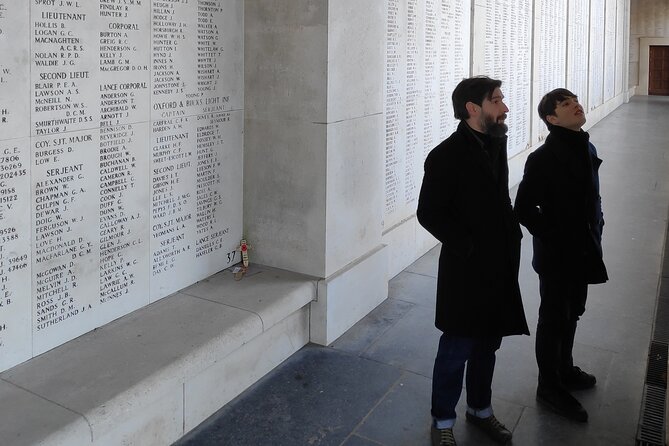
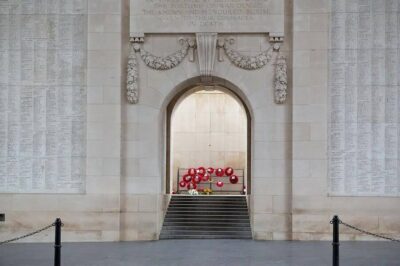
Menin Gate is the symbolic center of the Ypres portion of the day. The memorial commemorates Commonwealth soldiers who were reported missing before August 15, 1917, and its interior carries the names of roughly 55,000 men.
Your scheduled visit lasts about 30 minutes. That is enough to see the structure and spend time with the inscriptions, though you should not expect to study every name. The scale is difficult to grasp until you stand inside and look along the walls.
The Last Post is played at 8 p.m. every evening, but this tour begins at 8 a.m. and lasts roughly 7 to 10 hours. Do not assume the evening ceremony is part of this day. The daytime visit still has value, but if hearing the Last Post is your main goal, you would need to check the timing and make a separate plan.
I like that the tour places Menin Gate alongside the battlefield sites. The names have more weight after you have seen the ground, trenches, and museums connected to the fighting. This is a place for a slower pace and a respectful camera. You can take pictures, but the memorial asks for more than a quick stop and a social media post.
More Flanders Fields battlefield days from Brussels:
- Flanders Fields Remembrance Tour from Brussels
★ 4.5 · 334 reviews - Private World War I Battlefield Tour from Brussels to Flanders
★ 5.0 · 8 reviews - Flanders World War I Battlefields Private Tour from Brussels
★ 4.5 · 4 reviews - From Bruges: Great War Flanders Fields Minibus Tour w/ Lunch
★ 4.9 · 1,257 reviews
Ypres at lunchtime: a practical break in a serious day
The town of Ieper, usually called Ypres in English, provides a needed change of pace. You have about an hour to walk around, look for souvenirs, and eat lunch.
Lunch is included, along with snacks and soda or other soft drinks. The food removes one of the usual problems on a long day: losing time while searching for a place to eat. Alcoholic drinks are not included, so plan accordingly if that matters to you.
An hour is enough for a break and a short look around, but it is not a full town tour. You should not expect extended shopping or a leisurely café afternoon. The value here is rhythm. After memorials and trenches, you get time to reset before returning to the museums.
In Flanders Fields Museum and the Cloth Hall
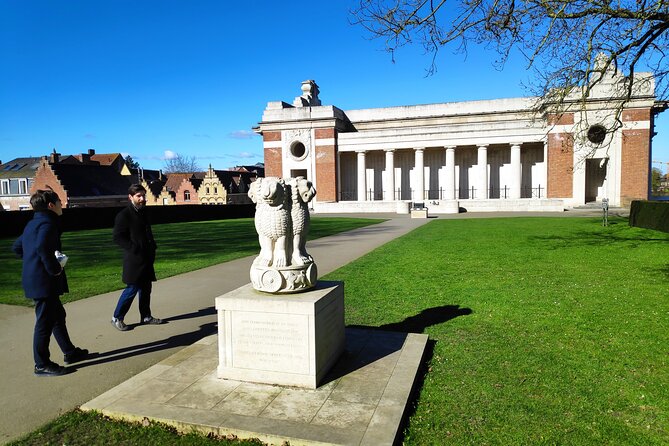
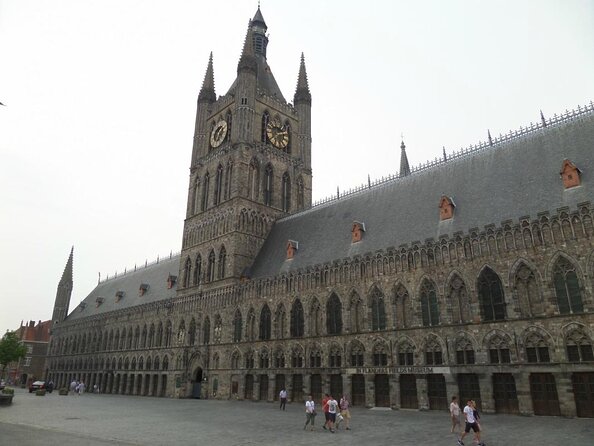
The In Flanders Fields Museum occupies Ypres’s rebuilt Cloth Hall, a building closely tied to the city’s wartime destruction and later rebuilding. The museum tells the story of the First World War on the West Flanders front, using the building itself as part of the lesson.
You have about 90 minutes here, making it one of the longer indoor visits. I would use this time to connect the earlier stops. Hooge Crater and Sanctuary Wood show military conditions. Menin Gate records the missing. This museum gives you a wider frame for the front, the city, and the people affected by the war.
A major feature is the restored Belfry tower. The tour information says you can climb it and look over Ypres and the surrounding battlefields. That view is important because it links the museum to the ground outside. You are not looking at an abstract map. You are looking across the area that the day has been explaining.
The climb may be a consideration if stairs are difficult for you, since the provided information does not give details about lifts or step-free access. Most people can participate, but anyone with mobility concerns should ask before booking rather than assume.
Passchendaele Museum: a longer look at life underground
The Passchendaele Museum gives you about 1 hour and 45 minutes, the longest scheduled museum stop. Its dugout and trench displays focus on military life during WWI and the Battle of Passchendaele.
The longer visit makes sense here. A reconstructed underground setting can take time to read and absorb, especially after you have already seen actual trench remains. The museum uses objects to show how soldiers lived and fought, giving the day another layer beyond memorial architecture.
Passchendaele is also a good point for questions. By now, you have seen enough sites to ask how the battle areas connected, how the conditions differed, and why the memory of this region remains so strong. Since the tour is private, your guide can spend more time on the subjects that hold your attention instead of following a fixed script for a large coach group.
You should expect the day to feel full at this stage. There are seven stops, and the museum visits require concentration. If you prefer a slow, single-site experience, this schedule may feel too packed. If you want a broad introduction to the Ypres region in one day, the range is a major advantage.
Tyne Cot Cemetery: the final and largest memorial
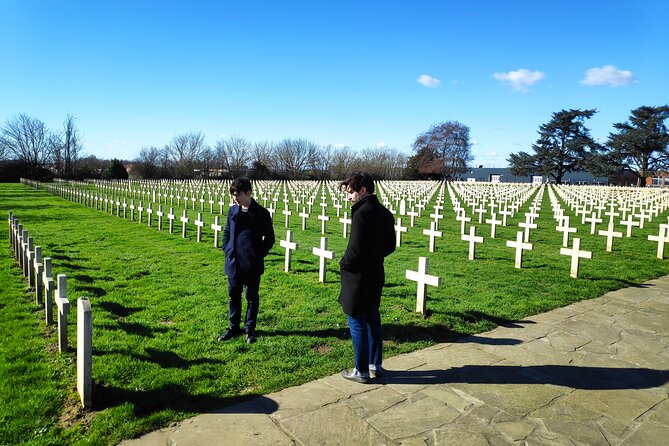
Tyne Cot Cemetery closes the route with a quieter, more open setting. It is the largest Commonwealth war cemetery in the world by number of burials or commemorations, with 11,961 Commonwealth servicemen of the First World War buried or commemorated there.
The Tyne Cot Memorial forms the cemetery’s northeastern boundary and commemorates nearly 35,000 servicemen from the United Kingdom and New Zealand who died in the Ypres Salient. Those numbers are vast, but the setting makes them personal. Rows of headstones and long memorial inscriptions ask you to slow down and take in the scale one section at a time.
About an hour is allotted. That gives you time to walk, read, and reflect, though the site is too large to absorb in every detail during one visit. I would save some energy for this stop. It is easy to spend the whole day focused on the next museum, then arrive at the final cemetery tired.
Tyne Cot works well at the end because it shifts the emphasis from battle conditions to remembrance. After Hooge Crater, Sanctuary Wood, and Passchendaele, you can better understand what the names and graves represent. The final stop is not entertainment, and the guide’s role here should be measured and respectful.
What the $701.35 price buys you
At $701.35 per person, this is expensive for a day tour. The price makes more sense when you add up what is included: a private air-conditioned vehicle, admissions, lunch, snacks, and soft drinks. You also receive a historian-led route through sites that are scattered around the Ypres region.
The private format is the key value. If you are booking for a small group with a strong interest in WWI, the cost may be easier to justify because you are not sharing the day with strangers and can shape the conversation. The guide can adjust explanations to your interests, as István did for one participant who wanted more discussion of war politics and economics.
The cost is harder to defend if you mainly want transport and a quick look at the major monuments. You are paying for interpretation, planning, food, and convenience, not just entry tickets. Group discounts are offered, which may improve the value for a larger party.
The tour is booked on average 122 days ahead, so advance planning appears sensible. Confirmation is provided at booking, and a mobile ticket is available. Free cancellation applies when you cancel at least 24 hours before the start time. Changes or cancellations inside that window are not accepted for a refund.
Who will get the most from this day
I would recommend this tour to anyone who wants a focused introduction to the WWI sites around Ypres without arranging several rural visits alone. It suits families with older teenagers, history students, military history enthusiasts, and private groups who want a guide rather than a recorded audio explanation.
The minimum age is 16. That is reasonable given the graphic photographs, cemetery visits, and serious subject matter. Younger children may find the museums and memorials difficult, but the tour does not allow them anyway.
You should bring comfortable hiking shoes and a camera. Dress for a full day out, though the supplied details do not specify a dress code or exact walking distance. Most people can participate, but ask about the Belfry climb or other mobility concerns before booking if stairs or uneven ground are a problem.
You should also be ready for a long day. The stated duration ranges from 7 to 10 hours, and the 8 a.m. start means this is not a casual late morning outing. The payoff is breadth: you see museums, preserved trenches, a town center, memorials, and a cemetery in one route.
Should you book the Historic Ypres WWI Sites tour?
Book it if you want the major Ypres and Passchendaele sites explained in one private day, and if the cost fits your budget. The strongest reasons are the historian guide, the ability to ask for tailored discussion, preserved trenches at Sanctuary Wood, the long museum visit at Passchendaele, and the included food and admissions.
Think twice if you prefer to travel slowly, spend a full day in one museum, or attend the 8 p.m. Last Post ceremony. That ceremony is not guaranteed by this daytime schedule, and the price is high for anyone who only wants a brief introduction.
For a private group that values context and convenience, I find the package easier to justify. You get a serious, well-filled day rather than a simple transfer from Brussels. Just arrive ready to walk, listen, and give the memorial sites the attention they deserve.
FAQ
Where does the tour begin?
The tour begins in Brussels, with a listed start time of 8:00 a.m. Pickup is offered.
How long does the experience last?
The tour lasts approximately 7 to 10 hours.
Is this a private tour?
Yes. Only your group participates in the activity.
What is the minimum age?
The minimum age is 16.
Are lunch and drinks included?
Yes. Lunch, snacks, and soda or other soft drinks are included. Alcoholic beverages are not included.
Which WWI sites are visited?
The route includes Hooge Crater Museum, Hill 62 and Sanctuary Wood Canadian Memorial, Menin Gate Memorial, Ypres, In Flanders Fields Museum, Passchendaele Museum, and Tyne Cot Cemetery.
What happens if I need to cancel?
You can receive a full refund if you cancel at least 24 hours before the experience begins. Cancellations or changes made less than 24 hours before the start time are not accepted for a refund.
Just added around Brussels
- Standard vehicle from Brussels airport to city of Antwerp★ 5.0 · 4 reviews
- Luxury Minivan from Brussels airport to the city of Brussels★ 4.0 · 7 reviews
- Transfer Brussels Airport (BRU) –> City Center 7 PAX (ONE WAY)★ 5.0 · 7 reviews
- Luxury vehicle from Brussels airport to the city of Brussels★ 4.0 · 5 reviews
- Transfer Brussels Airport –> Brussels MB V Class 7 PAX (ONE WAY)★ 5.0 · 4 reviews
- Transfer Brussels Airport –> City MB E Class 1-3 PAX (ONE WAY)★ 5.0 · 6 reviews
- PRIVATE MPV TRANSFER FROM/TO BRUSSELS AIRPORT (Max 6 pax) ONE-WAY★ 5.0 · 4 reviews
- Waterloo Private Battlegrounds Tour with Lion Hill★ 4.5 · 9 reviews
WWI Battlefield Tours, compared.
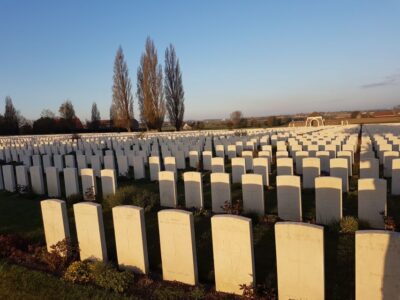
Great War Flanders Fields Minibus Tour w/ Lunch
Read our review →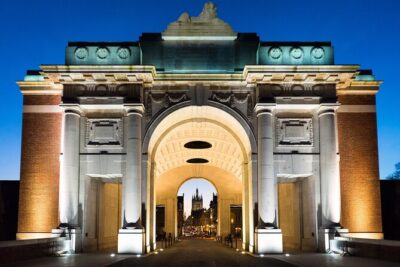
Flanders Fields Remembrance Tour from Brussels
Read our review →
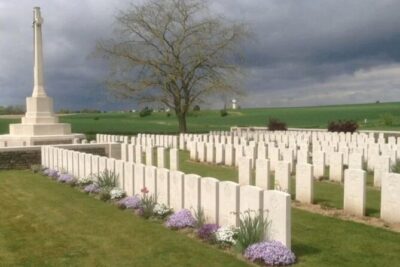
In Flanders Fields and Passchendaele Half Day Morning Tour
Read our review →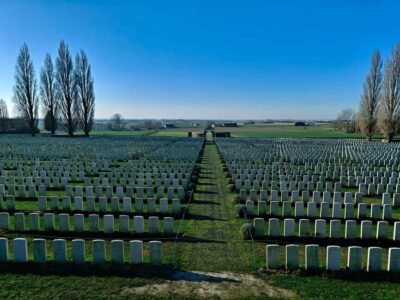
An exploration of the deadly salient battlefields
Read our review →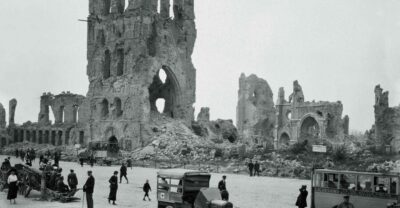
Browse the lists this tour appears in