
Reviewed · WWI BATTLEFIELD TOURS
Flanders World War I Battlefields Private Tour from Brussels
Flanders still carries the marks of World War I in quiet cemeteries, battered bunkers, memorial walls, and fields that look peaceful today. This private day trip from Brussels takes you to the Ypres Salient, where the scale of the fighting becomes easier to grasp when you move between the In Flanders Fields Museum, Tyne Cot, Hill 60, and Menin Gate.
I like the ease of door-to-door transport, since you can skip the rental car and let someone else handle the long drive. I also like the private format, which gives you room to ask questions and adjust the pace. The main drawback is cost: at $889.89 per person, this makes the most sense for a small group that values private guiding, rather than for anyone seeking the cheapest route to Ypres.
- Saint Julien and Polygon Wood connect Canadian and Australian forces to the ground where they fought.
- Hill 60 adds underground warfare and cratered terrain to the usual cemetery stops.
- Essex Farm links the battlefield to John McCrae and the poem In Flanders Fields.
- Ypres gives you free time for lunch and a look at a living Belgian town between solemn sites.
- Tyne Cot and Menin Gate show two different ways the Commonwealth dead and missing are remembered.
- Henry, Marikea, and driver Adel are names associated with especially strong guiding and service on this route.
Why Flanders Is Best Seen as a Full-Day Trip
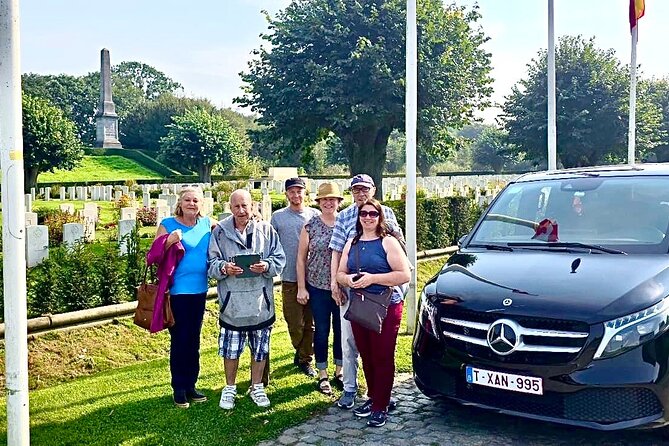
The battlefields are spread across the countryside around Ypres, also called Ieper. From Brussels, the drive takes up a good part of the day, but the included private vehicle makes the distance manageable.
You’ll spend roughly 8 to 10 hours on the road and at the sites. That is a long day, yet a shorter outing would force too many important places into a rushed sequence. Here, you can move from memorial to cemetery, then to museum and town, building a clearer picture of how the war affected this part of Belgium.
The private format matters most if you have a strong interest in military history or family connections to the war. You can ask about units, memorial inscriptions, battlefield tactics, or the difference between a cemetery and a memorial to the missing. A shared group tour may cost less, but it may not give you the same freedom to stop and talk.
Hotel pickup and drop-off in Brussels, air-conditioning, WiFi, bottled water, and private transportation are included. Lunch is not, so you’ll need to budget for a meal in Ypres.
Saint Julien and Polygon Wood Put Names to the Fighting
The first major stop is the Saint Julien Memorial, often called the Brooding Soldier. This Canadian memorial honors soldiers who served in the Ypres Salient. The figure of the soldier, with his head bowed over a rifle, gives the site a quiet, human tone rather than presenting war as a list of dates and battles.
You’ll also see the 5th Australian Division Memorial at Polygon Wood. These stops are short, about 40 minutes in total, but they help show how different Commonwealth forces were involved across the same broad battle area.
I find this opening useful because it gives you a physical starting point. Instead of hearing only about the Ypres Salient from inside a museum, you begin among memorials placed near the ground connected to the fighting. Keep your expectations realistic, though. These are outdoor stops, and the available time is limited.
More Flanders Fields battlefield days from Brussels:
- Flanders Fields Remembrance Tour from Brussels
★ 4.5 · 334 reviews - Private World War I Battlefield Tour from Brussels to Flanders
★ 5.0 · 8 reviews - Historic Ypres WWI Sites – Tour from Brussels
★ 5.0 · 6 reviews
The Tank Memorial and the Ypres Salient
At Poelkapelle, the Tank Memorial recalls the heavy fighting around the Ypres Salient. The area saw some of the largest battles of World War I, and thousands of soldiers from many countries fought and died here.
The drive through the Belgian countryside is part of the experience. You’ll have time to look out at the fields and villages while your guide explains how the front moved, or failed to move, across this region. The contrast between today’s calm countryside and the violence that took place here is hard to miss.
This stop lasts about an hour. The subject can feel broad, so this is where a clear guide makes a real difference. Henry has been praised for being articulate and well prepared, while Marikea has been noted for connecting the major sites with both the military story and the human cost.
Inside the In Flanders Fields Museum
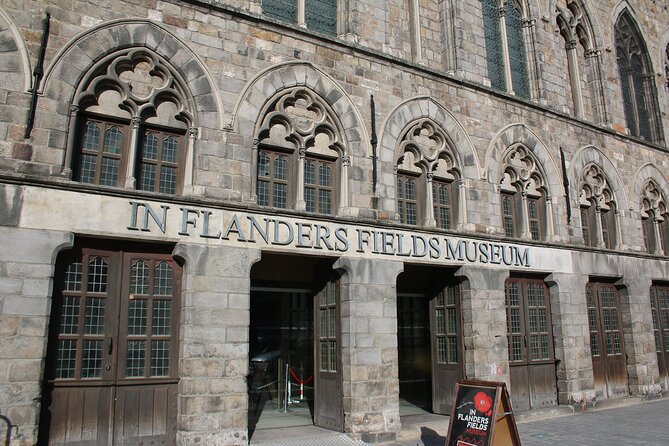
The In Flanders Fields Museum in Ypres is the main indoor stop and the only admission listed as included. Allow about an hour.
The museum focuses on the war in the Ypres region and the people caught in it. Its value is not just in displaying objects. It helps explain why the area became so important, how the battles unfolded, and why so many cemeteries and memorials remain nearby.
I would pay close attention to the museum’s regional focus. You are not getting a general survey of every front in World War I. You are learning how one corner of Belgium became tied to the deaths of more than 600,000 people and to hundreds of thousands of graves and names on memorials.
There is one practical point to settle before departure. The museum entry is included in the price, but one account of this tour described the guide skipping the museum. Ask clearly at the start that the museum visit is part of your day. If this is a major reason for booking, confirm the planned timing before you leave Brussels.
Essex Farm Connects the Front to John McCrae
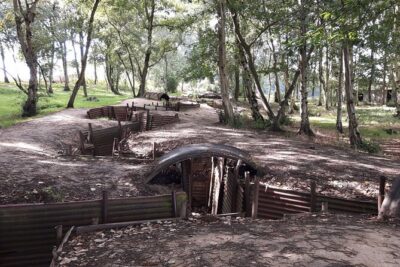
Essex Farm Cemetery and its wartime bunkers offer a more intimate stop. The site was used as a dressing station during the war, and it is closely associated with John McCrae, the Canadian soldier linked to In Flanders Fields.
You’ll have about 30 minutes here. That is enough to see the cemetery and bunkers with a guide, but not enough for a long, unhurried visit. The setting helps you understand that the front was not only trenches and attacks. It also included dressing stations, medical work, graves, and the daily effort to care for wounded men.
This is one of the places where a good explanation can add a lot. Ask your guide to connect the bunkers, the cemetery, and McCrae’s role. The site is modest compared with Tyne Cot, but that is part of its effect. It brings the story down from huge casualty figures to one location and one wartime medical setting.
A few more Brussels half days worth weighing up
- Brussels: Atomium Entry Ticket with Design Museum Ticket
★ 4.4 · 9,254 reviews - From Brussels: Guided Day Trip to Bruges and Ghent
★ 4.6 · 8,353 reviews - From Brussels: Bruges & Ghent Day Tour – 2 Fairytale Cities
★ 4.7 · 8,242 reviews - Choco-Story Brussels: Chocolate Museum Entrance with Tasting
★ 4.3 · 4,883 reviews
Hill 60 Shows the War Beneath Your Feet
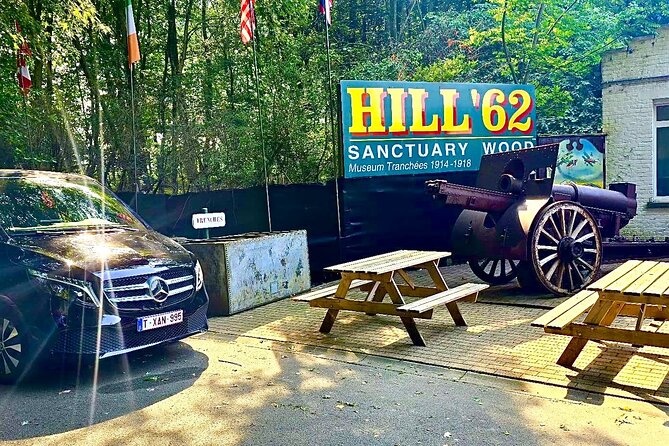
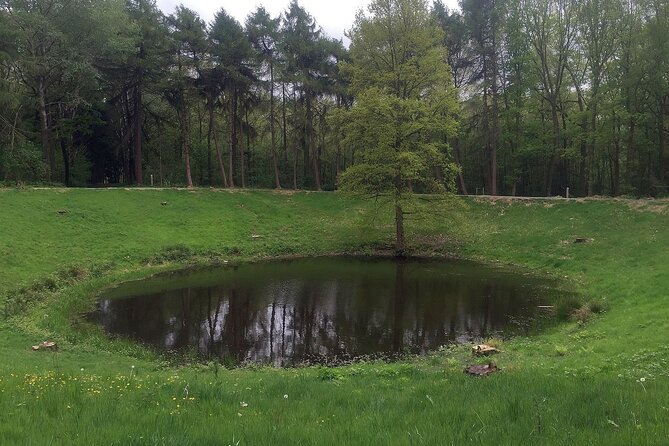
Hill 60 is a short stop, around 30 minutes, but it adds something different to the day. This raised ground saw fierce fighting, including warfare underground. You’ll walk up to the site and see the uneven ground and craters that mark the damage.
Many battlefield visits focus on cemeteries and memorial architecture. Hill 60 gives you a closer sense of the physical conditions. The land itself helps explain why high ground mattered and why troops fought so hard to control it.
Wear sensible shoes. The walk is not described as lengthy, but this is an outdoor battlefield site rather than a paved museum visit. Your time here may also depend on the day’s schedule, since the tour has many stops and still needs to reach Ypres for lunch.
Tyne Cot and the Scale of Loss
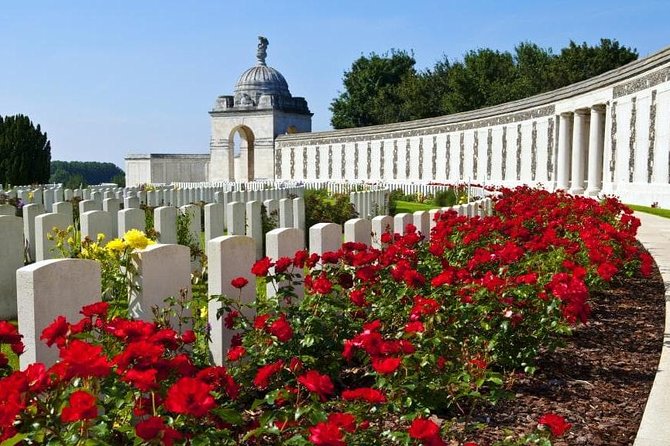
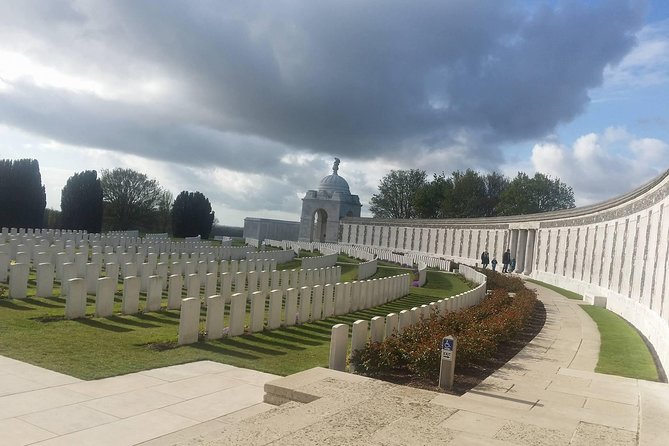
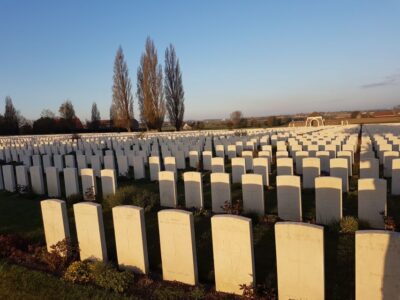
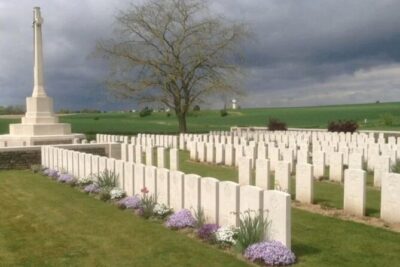
Tyne Cot Cemetery is among the most important memorial stops of the day. Commonwealth soldiers who died in the Ypres Salient are buried here, and the Tyne Cot Memorial to the Missing records names of soldiers whose graves are unknown.
The stone wall around the cemetery carries the names of missing men. That design gives the place a different feeling from a cemetery filled with individual headstones. You see both personal graves and a long record of people whose final resting place was never identified.
The planned visit lasts about 30 minutes. That is enough for an introduction and a walk through the principal areas, but you may want more time if you are researching a particular name. Tell your guide in advance if you have a family connection, since the private format may make it easier to focus on a specific question.
Tyne Cot can also be emotionally heavy. The site is orderly and beautifully maintained, but the number of names makes the scale of the losses clear. Take a moment before moving on. The schedule is full, and the next stop is lunch in Ypres, but you do not need to rush your own response to the place.
Ypres Gives You a Needed Break
You’ll have free time in Ypres to eat lunch at your own expense and explore the town. This pause matters. After several battlefield sites, a living town gives you a chance to rest, eat, and process what you have seen.
The planned lunch timing may be late. One account placed lunch around 2:15, so consider having a small breakfast or snack before pickup. The tour includes bottled water, but not food.
Your free time appears limited compared with the rest of the day. Use it for a meal and a short walk rather than expecting a long independent visit. If you want to see a particular part of Ypres, ask your guide how much time is available before setting off.
Ypres is also the bridge between the past and present. It is not only a battlefield reference point. It is a Belgian town where ordinary life continues among buildings and memorials connected to the war.
Menin Gate and the Last Names of the Day
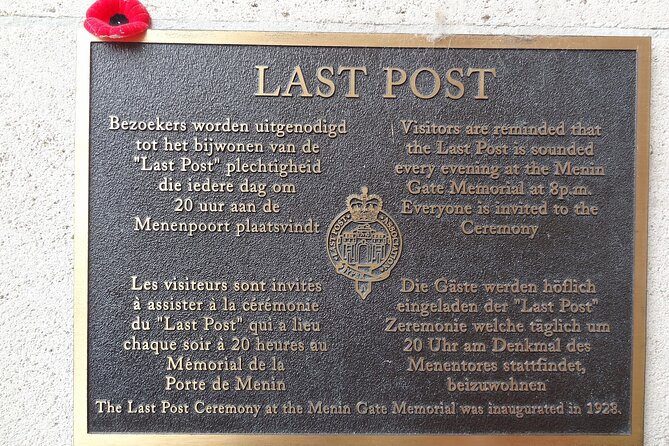
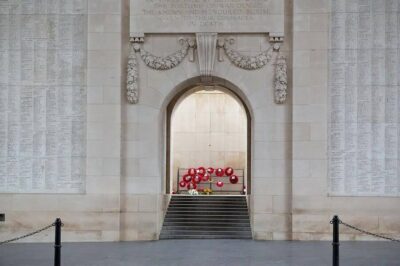
The final major stop is Menin Gate Memorial in Ypres. Its walls carry the names of thousands of missing Commonwealth soldiers.
The memorial is a fitting close because it gathers the theme of the day into one place: many men died in the Ypres Salient, and many have no known grave. After seeing individual cemeteries and battlefield remains, you finish with a structure devoted to remembrance on a large scale.
The schedule allows about an hour and a half here and around Ypres, including the final portion of the visit before the ride back to Brussels. The tour description also refers to watching a Last Post ceremony. Since ceremonial timing can affect the route, ask your guide exactly how this fits into your day.
The drive back is included, so you can rest rather than navigate a train connection or unfamiliar roads after a long day.
Is $889.89 Per Person Good Value?
This is an expensive tour. At $889.89 per person, the price is difficult to justify if you simply want transportation from Brussels to Ypres and a quick look at the main memorials.
The value improves if you are splitting the cost with a private group and want a guide who can give sustained attention to your questions. You are paying for pickup, drop-off, a private vehicle, fuel and driving time, bottled water, WiFi, and museum entry, as well as the guide’s time across a full day.
Group discounts are available, though the exact reduction is not provided. Ask for the final price based on your party size. A group of several people may find the private format more reasonable than a solo visitor.
I would also compare the price with your priorities. If the museum, Hill 60, Essex Farm, Tyne Cot, and the memorials all matter to you, the route covers the key stops in one day. If you mainly want to see Ypres and Menin Gate, this is likely more than you need.
Guides, Drivers, and the Private Format
The strongest part of this kind of day is the human explanation. Marikea has been described as giving a thoughtful account of both the history and the tragedy of Flanders Field. Henry has been praised for clear, well-organized commentary. Driver Adel was also noted for safe driving and for helping with an unplanned return destination.
Those details matter because the route involves long drives and many short stops. You need someone who can keep the day moving without making every place feel rushed.
The private setup means only your group participates. Children must be accompanied by an adult, service animals are allowed, and most people can take part. The tour is also near public transportation, though pickup and drop-off from Brussels are included.
One useful improvement would be a printed or digital map and a clear outline of the day. If you like knowing what comes next, ask for that at pickup. One account found the lack of a map or itinerary confusing, even though the guide gave strong explanations.
Who Should Book This Flanders Battlefield Tour?
You should consider it if you have a serious interest in World War I, a family connection to the Commonwealth forces, or only one day available from Brussels. The route reaches places that are awkward to combine without a car, and the private vehicle removes much of the transport hassle.
It also suits people who prefer a guide to explain memorials rather than simply photograph them. The combination of museum, cemeteries, bunkers, battlefield ground, and Ypres gives you several ways to understand the area.
You may want another option if price is your main concern, if you dislike long days, or if you want several hours of independent time in Ypres. The schedule is full, lunch may be late, and the included museum visit should be confirmed before setting out.
Should You Book It?
I would book this tour for a small group that wants a focused, private study of the Ypres Salient and values convenience over low cost. The strongest reasons are the door-to-door transport, the broad mix of sites, and the chance to ask a guide detailed questions throughout the day.
Before paying, confirm three things: that the In Flanders Fields Museum is definitely included in your schedule, how much free time you will have in Ypres, and whether the Last Post ceremony fits the date and timing. If those details suit you, this is a thoughtful and practical way to reach Flanders from Brussels in one long day.
FAQ
How long does the Flanders World War I battlefield tour last?
The tour lasts approximately 8 to 10 hours, including transportation from Brussels and visits to the battlefield sites, museum, cemeteries, Ypres, and Menin Gate.
Is hotel pickup and drop-off included?
Yes. Pickup and drop-off from Brussels hotels are included, along with private transportation in an air-conditioned vehicle.
Is lunch included in the tour price?
No. Lunch is at your own expense during free time in Ypres. The timing may be late, so eating breakfast before pickup is sensible.
Is admission to the In Flanders Fields Museum included?
Yes. Museum entry is included. Since one account noted that the museum visit was skipped, confirm with your guide at the start that it is on the day’s schedule.
Is this a private tour?
Yes. Only your group participates in the activity. Group discounts are available, although the exact discount is not specified.
What happens if I need to cancel?
You receive a full refund if you cancel at least 24 hours before the experience start time. Cancellations or changes made less than 24 hours before departure are not accepted for a refund.
Just added around Brussels
- Standard vehicle from Brussels airport to city of Antwerp★ 5.0 · 4 reviews
- Luxury Minivan from Brussels airport to the city of Brussels★ 4.0 · 7 reviews
- Transfer Brussels Airport (BRU) –> City Center 7 PAX (ONE WAY)★ 5.0 · 7 reviews
- Luxury vehicle from Brussels airport to the city of Brussels★ 4.0 · 5 reviews
- Transfer Brussels Airport –> Brussels MB V Class 7 PAX (ONE WAY)★ 5.0 · 4 reviews
- Transfer Brussels Airport –> City MB E Class 1-3 PAX (ONE WAY)★ 5.0 · 6 reviews
- PRIVATE MPV TRANSFER FROM/TO BRUSSELS AIRPORT (Max 6 pax) ONE-WAY★ 5.0 · 4 reviews
- Waterloo Private Battlegrounds Tour with Lion Hill★ 4.5 · 9 reviews
WWI Battlefield Tours, compared.
Great War Flanders Fields Minibus Tour w/ Lunch
Read our review →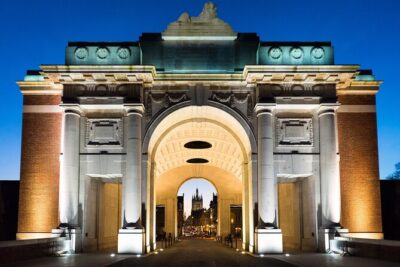
Flanders Fields Remembrance Tour from Brussels
Read our review →
In Flanders Fields and Passchendaele Half Day Morning Tour
Read our review →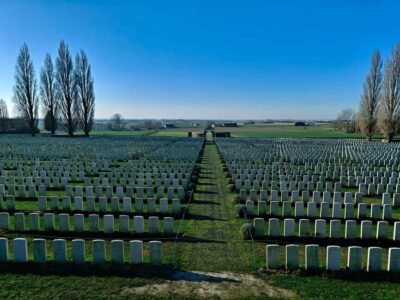
An exploration of the deadly salient battlefields
Read our review →
Browse the lists this tour appears in